Bradley’s upcoming testimony comes amid scrutiny from lawmakers and legal specialists who question whether the second strike complied with the law of armed conflict. A number of former military attorneys argue that once the survivors were incapacitated and the vessel disabled, they may no longer have constituted lawful military targets. The administration, however, maintains that those killed were combatants engaged in a self-defense situation and insists that more than 80 deaths attributed to related maritime strikes in the Caribbean and eastern Pacific since early 2025 were similarly lawful.
Career rooted in special operations
Bradley’s Navy résumé spans more than three decades. A native of Eldorado, Texas, he graduated from the U.S. Naval Academy in 1991 with a physics degree and was a varsity gymnast. Commissioned as a Navy SEAL officer, he deployed multiple times and was among the earliest special operations personnel to enter Afghanistan after the 11 September attacks. In 2006 he earned a master’s degree in physics at the Naval Postgraduate School in Monterey, California, obtaining a provisional patent for his research.
Rising through successive leadership billets, Bradley eventually commanded units at every level of Naval Special Warfare. His tenure at JSOC placed him over elite formations such as SEAL Team Six and 1st Special Forces Operational Detachment-Delta. In July 2025, he made a rare public appearance before the Senate Armed Services Committee as the nominee to lead USSOCOM. During that hearing he pledged that forces under his command would prioritize the prevention of civilian harm and strict adherence to international humanitarian law. The Senate confirmed him, and he formally received his fourth star and new command in October.
Support from former colleagues
Several retired officers who served with Bradley describe him as one of the military’s most capable and ethical leaders. Former Navy Commander Eric Oelerich, now a private-sector consultant, credits Bradley with mentoring numerous rising special operators and calls him a flexible strategist. Retired Brigadier General Shawn Harris, currently running for Congress in Georgia, similarly praises Bradley’s leadership and decision-making under pressure.
Legal and policy backdrop
The debate over the Caribbean incident reflects broader questions about the United States’ use of lethal force against non-state actors at sea. Government lawyers have cited inherent self-defense authorities to strike suspected traffickers who are allegedly linked to transnational terrorist networks. Critics counter that the threshold for immediate threat is often ill-defined once an initial engagement has ended.
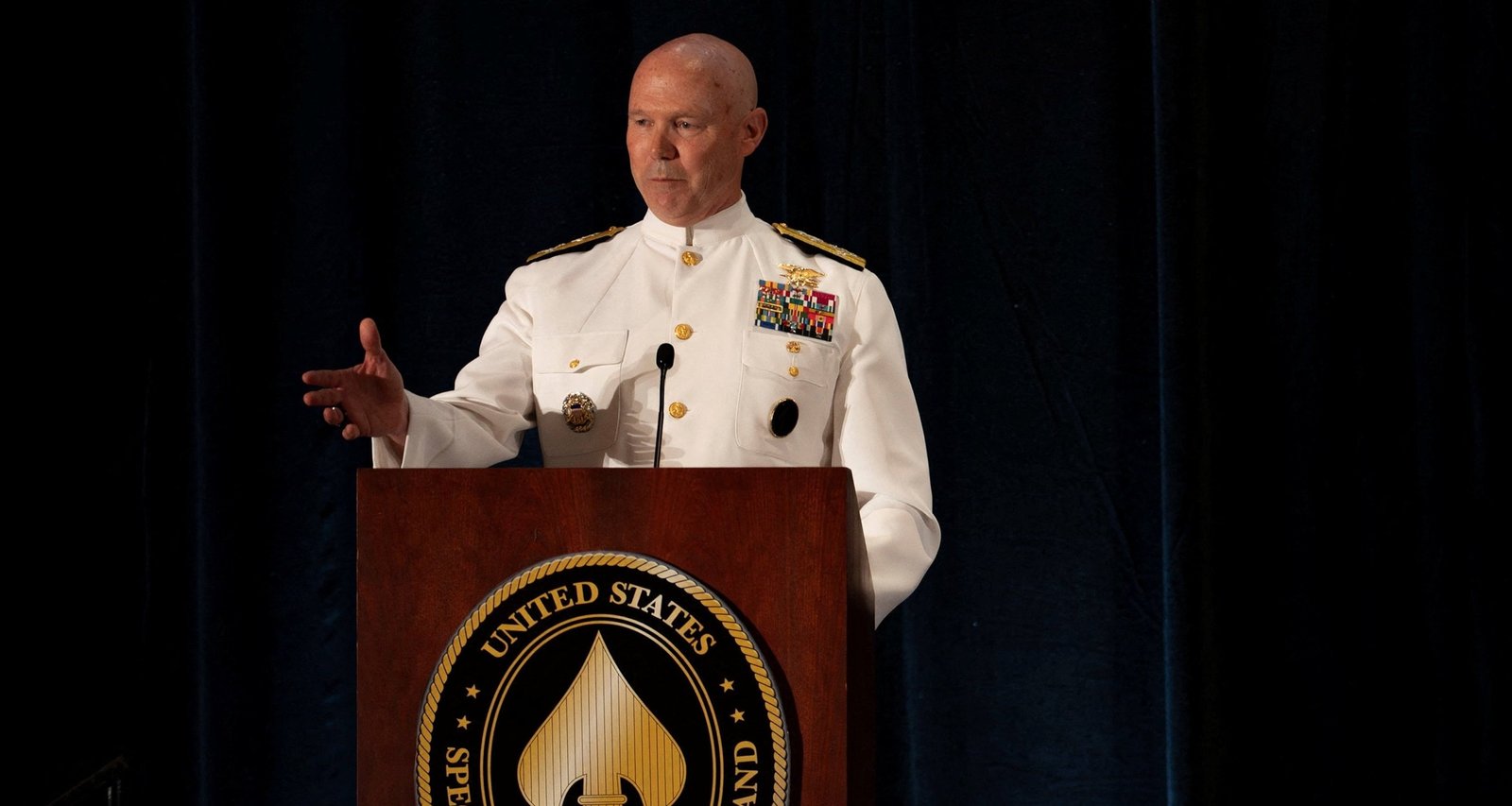
Imagem: Internet
Bradley’s remarks to Congress will likely focus on the intelligence picture available on 2 September, the communications observed between the damaged vessel and nearby contacts, and the legal advice provided to him before authorizing the second strike. Lawmakers are expected to ask whether alternative options—such as boarding the disabled craft, detaining the survivors, or monitoring the scene—were feasible.
The inquiry also arrives as USSOCOM reviews its own targeting guidelines. During his confirmation hearing, Bradley told senators that every uniformed member, civilian, and contractor involved in lethal operations has an obligation to minimize civilian casualties and follow the laws of war. Congressional aides say Thursday’s session will provide the first public indication of how the commander interprets those commitments in practice.
No timetable has been announced for completing the House and Senate investigation, but committees in both chambers have requested after-action reports, classified video, and communications logs related to the strike. A separate Pentagon review team is examining whether lessons from the incident should inform future counter-narcotics missions in contested waters.
For now, defense officials continue to back Bradley’s judgment. They argue that the speed and fluidity of maritime engagements often leave commanders only seconds to decide whether a target remains hostile. Lawmakers, legal experts, and human-rights observers will weigh those arguments as they assess whether the 2 September strikes met the standard of necessity and proportionality required under international law.
Crédito da imagem: Airman 1st Class Monique Stober via Reuters


