Macroeconomic backdrop remains uneven
Affirm’s upbeat assessment of borrower health contrasts with broader indicators that paint a murkier picture. The University of Michigan’s Index of Consumer Sentiment rose to 57.3 in February, topping economists’ expectations but staying about 20% below the levels recorded a year earlier. The reading signals lingering concern among households about price levels and employment prospects. Historical data available through the Federal Reserve’s FRED database show the index well under its long-term average, underscoring the disconnect between reported spending and expressed confidence.
Inflation has moderated from the four-decade highs reached in 2025 but continues to erode purchasing power, while a cooling labor market has introduced new uncertainty around job security. Within that environment, BNPL offerings have grown rapidly, giving consumers the flexibility to space out payments without traditional credit-card interest charges. Critics, however, question whether this financing method merely postpones financial stress for cash-strapped shoppers.
Market reaction highlights investor caution
Despite the positive second-quarter headline numbers, Affirm shares fell nearly 7% in the first trading day after results were posted. Analysts pointed to forward guidance that calls for a deceleration in GMV growth to approximately 30% in the March quarter and 25% in the June quarter. Management framed the outlook as a normalization after an unusually strong holiday season, yet investors appeared unsettled by the prospect of slowing momentum while macroeconomic conditions remain fragile.
The pullback also reflected uncertainty over credit losses, a key risk for any lender that extends payment terms. Although Affirm reported stable delinquency trends, skeptics argue that macro headwinds could eventually translate into higher default rates. The central debate, therefore, centers on whether the firm’s AI-driven underwriting can continue to identify financially healthy borrowers or whether BNPL volumes are increasingly coming from consumers with limited liquidity options.
Business model emphasizes repeat usage and brand strength
Affirm positions itself as more than a financing tool, contending that its platform functions as a primary payment method for a growing share of its user base. The company has rolled out a mobile app, interest-bearing savings accounts and a virtual card to deepen customer engagement, while pursuing partnerships with large merchants across retail, travel and services. Management describes this ecosystem as a “defensive moat” that software-only competitors struggle to replicate, partly because it combines underwriting, servicing, marketing and merchant integration into one stack.
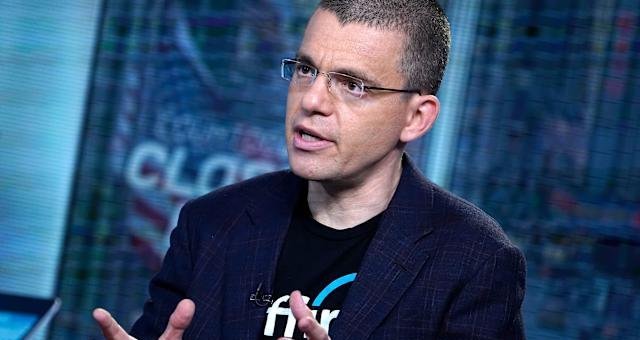
Imagem: Internet
High repeat engagement is central to that narrative. By emphasizing installment plans free of late fees or compounding interest, Affirm seeks to foster consumer trust and encourage ongoing usage. According to executives, the same customers who financed electronics or apparel during earlier shopping seasons are now returning for additional categories ranging from home improvement to healthcare. The company views that behavior as evidence that its risk models succeed in targeting creditworthy individuals who are unlikely to default.
Outlook and investor considerations
For the fiscal third quarter ending in March, Affirm projects GMV between $6.7 billion and $6.9 billion, implying roughly 30% growth from the prior-year period. Revenue is expected to reach $650 million to $680 million, while adjusted operating margin is forecast to remain slightly negative as the firm continues to invest in technology and merchant acquisition. Management expects further moderation in GMV expansion to about 25% during the fiscal fourth quarter, though it maintains that long-term demand for flexible payment options will stay robust.
Key variables for the remainder of the fiscal year include the trajectory of U.S. employment, headline inflation and short-term interest rates, all of which influence consumer spending power and credit risk. Any deterioration in those indicators could test the resilience of the repayment curves Affirm has highlighted. Conversely, stabilization or improvement could reinforce the company’s stance that fears of a struggling consumer are overstated.
In the near term, analysts are likely to scrutinize monthly delinquency disclosures for early signs of strain. They will also monitor how quickly repeat users roll over to new installment plans, which serves as a gauge of brand loyalty and credit performance. Merchant adoption trends, especially among large retailers and service providers, remain another focal point, since broader network effects are essential to sustaining volume growth as the market for BNPL matures.
Whether Affirm can balance expansion with stringent credit discipline will shape investor sentiment over the next several quarters. The company’s ability to validate its proprietary risk models in a shifting economic landscape could determine how the narrative around BNPL evolves—from an instrument of overextension to a mainstream payment alternative anchored in responsible lending.
Crédito da imagem: John Lamparski/Getty Images


