Communications blackout masks scale of abuses
Reliable data on the conflict’s human toll are difficult to verify. Internet outages, damaged telecommunication infrastructure, and the presence of armed checkpoints have severely limited the flow of independent information from many parts of the country. A rare stream of verified videos released in October 2025, showing mass killings in Darfur, prompted renewed scrutiny of RSF operations in the region. Yet observers warn that the footage likely represents only a fraction of ongoing violence, given the restrictions on journalists and monitoring agencies.
With the RSF now controlling large portions of Darfur, local residents report widespread looting and forced displacement. The United Nations Office for the Coordination of Humanitarian Affairs (OCHA) has repeatedly urged unfettered access to the area, stressing that tens of thousands remain without shelter or medical care. An OCHA representative who toured Darfur in late 2025 said lifesaving aid “is not reaching people in time,” while stocks of food and essential medicines are almost depleted.
Aid workers forced to flee and abandon supplies
Relief personnel interviewed in partnership with Women for Women International describe an environment where delivering assistance often means choosing between personal safety and professional duty. One medical technician recounted leaving behind surgical instruments, generators, and pharmaceutical supplies while escaping an RSF raid on a field clinic. Losing that equipment, he said, set back surgical capacity by months and left trauma patients with minimal care options.
Hiba, a 26-year-old staff member at the Sudan Family Planning Association, works with a mobile clinic that offers reproductive health consultations and support for survivors of gender-based violence. She notes that requests for contraceptives and psychosocial counseling rise each week, yet funding and material shipments have not kept pace. “The needs in the camp are growing every day,” she observed, adding that displaced families seek more than subsistence; they need sustained access to education, livelihoods, and mental-health services to rebuild their lives.
According to data from the ReliefWeb humanitarian information service, more than half of Sudan’s population now requires assistance, but less than one-third of the UN’s 2025 response plan has been financed. Aid officials say that shortfall affects everything from food distribution to obstetric care, forcing agencies to ration supplies or suspend programs altogether.
Remote hospital repeatedly targeted
In the Nuba Mountains of South Kordofan, Dr. Tom Catena serves as medical director at Mother of Mercy Hospital, one of the few functioning surgical facilities in the region. Catena, the sole full-time doctor for an estimated population of over three million, reports that the hospital was already operating at capacity before the civil war. Since hostilities intensified, casualty numbers have climbed, while donations have stagnated.
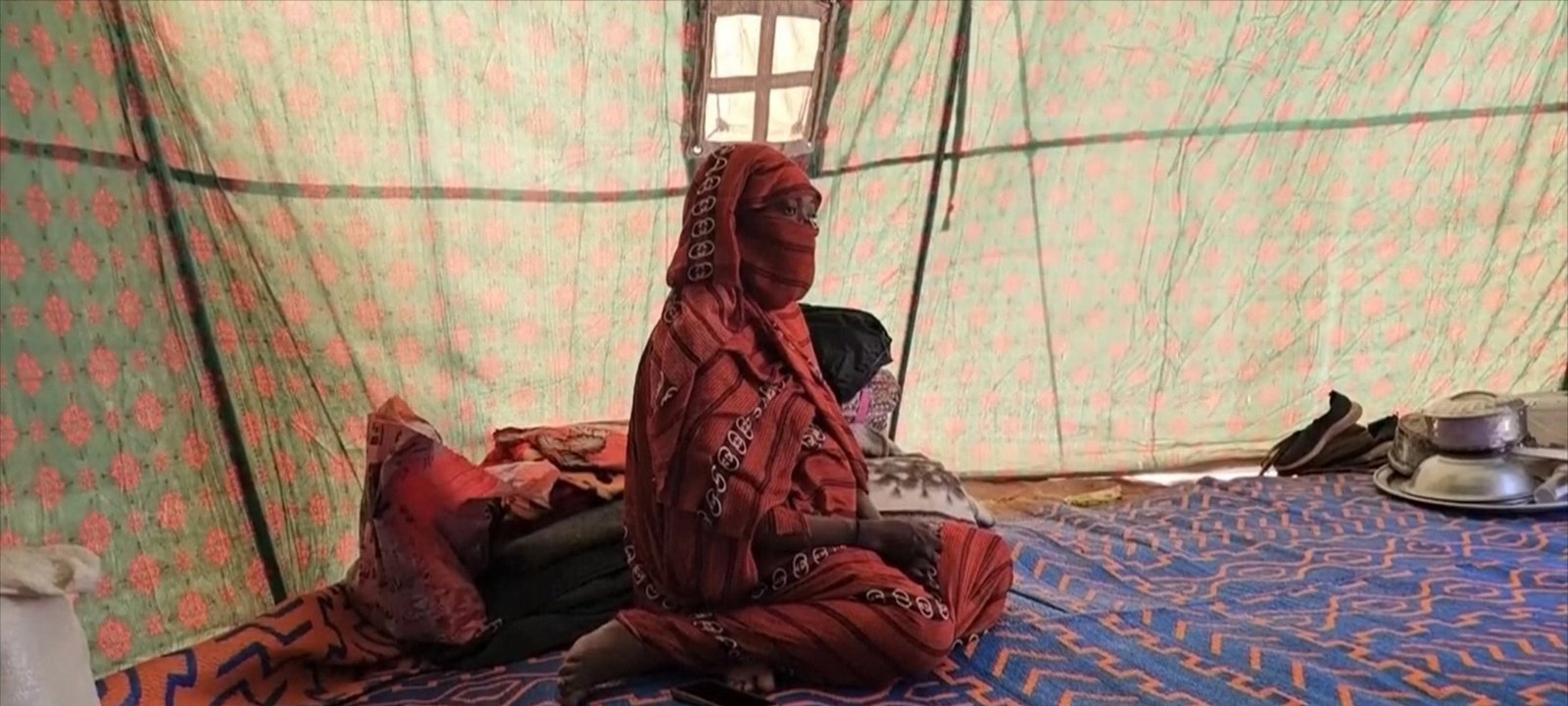
Imagem: Internet
In a video diary recorded in December 2025, Catena described a drone strike that killed about 40 people near the hospital two weeks earlier. He said the incident echoed a bombing campaign carried out more than a decade ago, demonstrating a pattern of medical sites being deliberately or recklessly struck. “Without funding you can’t do anything,” Catena noted, emphasizing that even skilled personnel are rendered ineffective when basic resources—fuel for generators, sterilization supplies, and antibiotics—are lacking.
Satellite imagery reviewed by independent analysts shows scorch marks and craters around several health facilities in South Kordofan, corroborating reports that strikes have impeded medical evacuations and disrupted vaccination campaigns. Humanitarian law prohibits targeting hospitals, yet repeated incidents suggest that civilian infrastructure remains vulnerable.
International response falls short
While multiple governments have condemned atrocities in Sudan, large-scale evacuations of foreign nationals in 2023 were not followed by equivalent measures to protect local populations, aid groups say. The U.S. designation of genocide against the RSF, announced in late 2025, prompted calls for sanctions and arms embargoes, but on-the-ground workers report little immediate relief.
Neighboring countries, already hosting sizable refugee communities from earlier conflicts, have begun tightening border controls. As a result, more displaced people end up in informal camps inside Sudan’s borders, where agencies face logistical barriers to delivering shelter materials and disease-prevention supplies. Cholera outbreaks in at least two states in mid-2025 appear linked to contaminated water sources and overcrowded living conditions, according to field epidemiologists.
Ongoing need for resources and access
As the conflict enters its fourth calendar year, humanitarian officials repeat pleas for sustained funding, secure corridors, and diplomatic pressure on both warring parties. The absence of a nationwide cease-fire hampers relief convoys, while localized agreements often collapse within days. Civilians like Nadra Ahmed, now nearing her due date, remain uncertain whether they will give birth in a staffed clinic or in makeshift shelters where sanitation is minimal and electricity unreliable.
With operations constrained by insecurity and budget deficits, aid providers caution that the coming months could bring deeper food shortages and rising maternal mortality unless access improves. For now, workers such as Hiba and Dr. Catena continue to improvise, relying on donations that trickle in and volunteers who risk their safety to keep critical services running amid one of the world’s most protracted and under-reported wars.
Crédito da imagem: Associated Press


