Key findings of the appellate court
The 3rd Circuit’s opinion focused on three main points:
- Timing of the first assistant appointment. The FVRA provides that the person serving as first assistant at the moment the vacancy occurs can automatically step in as acting U.S. attorney. Because Habba was installed as first assistant after the vacancy arose, the court said she did not qualify.
- Nomination bar. Once an individual has been formally nominated for a vacant post, the FVRA prohibits that person from performing the duties of the office in an acting capacity. The panel therefore found Habba ineligible to serve because her earlier nomination triggered the bar.
- Limits on delegation. The attorney general’s attempt to delegate all powers of a U.S. attorney to Habba conflicted with the FVRA’s exclusivity provision, which restricts how vacant positions in the executive branch can be filled.
“Habba is not the Acting U.S. Attorney for the District of New Jersey by virtue of her appointment as First Assistant U.S. Attorney,” the opinion stated, adding that the FVRA “prohibits her from assuming the role” due to her prior nomination and the timing of her appointment.
Composition of the panel
The decision came from a panel comprising two judges appointed by President George W. Bush and one appointed by President Joe Biden. Their 3-0 ruling affirms the district court’s earlier judgment and leaves the U.S. attorney’s office in New Jersey without the leadership arrangement the administration had attempted to create.
Broader ramifications
The opinion represents the first time a federal appellate court has invalidated the Trump administration’s strategy of retaining interim U.S. attorneys beyond their statutory terms by placing them in first-assistant roles. Legal analysts say the ruling could affect other federal prosecutors installed through similar methods.
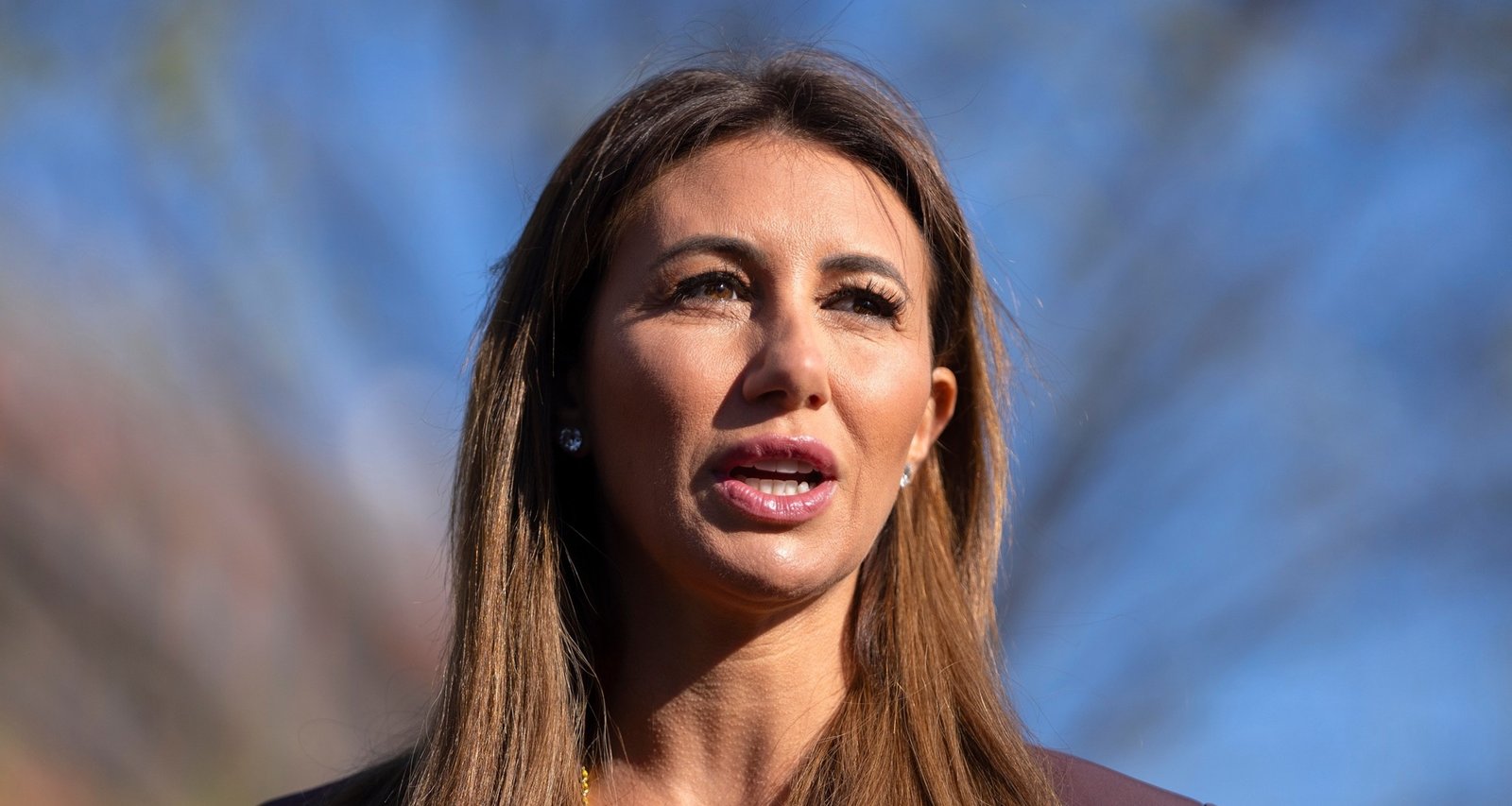
Imagem: Internet
Just a week earlier, a separate court disqualified Lindsey Halligan, another Trump-selected prosecutor, from serving as acting U.S. attorney in the Eastern District of Virginia. Halligan had overseen high-profile cases involving former FBI Director James Comey and New York Attorney General Letitia James. The New Jersey decision reinforces the legal challenges confronting comparable appointments nationwide.
Next steps
The Justice Department has not yet indicated whether it will seek further review, either from the full 3rd Circuit or from the U.S. Supreme Court. For now, leadership of the New Jersey office will fall to the most senior career official who meets FVRA requirements until a new nominee receives Senate confirmation.
The FVRA, enacted in 1998, governs how the executive branch may fill vacant positions that require Senate approval. Its full text can be consulted through the U.S. Government Publishing Office’s official repository (govinfo.gov).
Crédito da imagem: Mark Schiefelbein / AP, Files


