The odds of securing the jackpot are steep—about 1 in 292.2 million, according to Powerball’s official probability table. Tim Chartier, a mathematics and computer science professor at Davidson College, compared those odds to identifying precisely one second within a nine-year span. He noted that purchasing additional tickets does increase the chance of winning, but only marginally; owning 100 tickets equates to 100 guesses at that single second, leaving the likelihood of success extremely small.
Despite those long odds, lottery retailers across the country reported heavy traffic leading up to the holiday drawing, with lines forming at convenience stores and supermarkets as players sought a chance at the historic jackpot. In states that participate in Powerball, tickets cost $2, and an optional $1 Power Play feature can multiply non-jackpot prizes.
Recent Billion-Dollar Jackpots
The new Arkansas winner joins a short list of players who have captured prizes above the billion-dollar threshold. Earlier this year, on Sept. 6, two tickets—one sold in Missouri and another in Texas—shared a $1.787 billion jackpot, now the third-largest in U.S. history. The current top five Powerball jackpots are:
- $2.04 billion – Nov. 7, 2022 – California
- $1.817 billion – Dec. 24, 2025 – Arkansas
- $1.787 billion – Sept. 6, 2025 – Missouri and Texas
- $1.765 billion – Oct. 11, 2023 – California
- $1.586 billion – Jan. 13, 2016 – California, Florida, Tennessee
Additional jackpots exceeding $800 million include drawings in April 2024 ($1.326 billion, Oregon) and July 2023 ($1.08 billion, California). A complete list of the ten highest Powerball payouts illustrates how record prizes have become more frequent since game modifications in 2015 lengthened the odds, allowing jackpots to roll over for longer stretches.
Claiming the Prize
The Arkansas Scholarship Lottery, which manages ticket sales in the state, has not yet disclosed where the winning slip was purchased or whether the claimant has stepped forward. Under Arkansas law, lottery winners can remain anonymous, though retailers typically receive a bonus for selling a jackpot ticket.
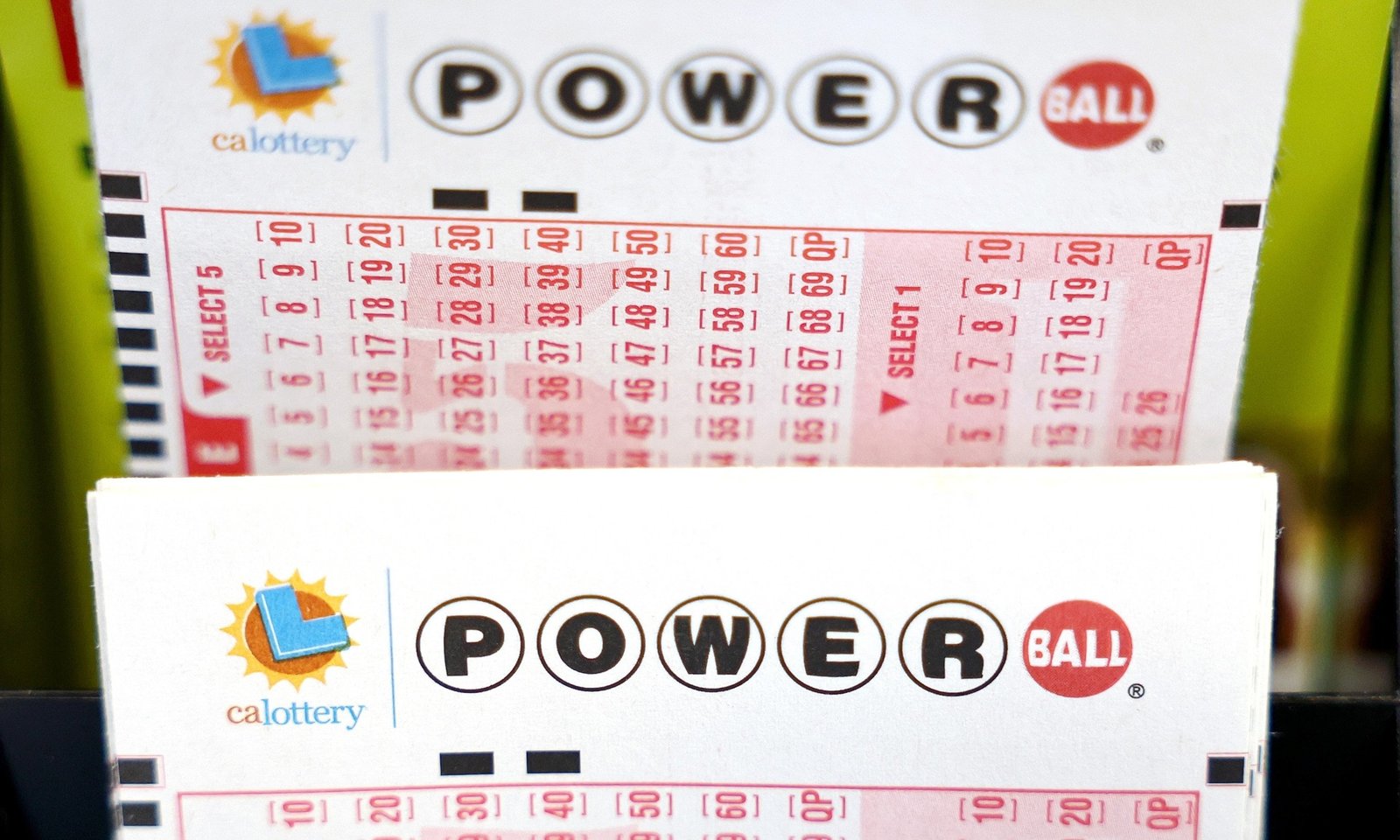
Imagem: Internet
Winners who select the annuity will receive an immediate payment followed by 29 annual installments that increase by 5 percent each year, a structure designed to offset inflation. Those opting for the cash alternative receive a single payment representing the amount in the jackpot pool available for investment. Financial experts routinely advise winners to consult tax professionals and legal advisers before making a selection, as each option carries different implications for estate planning and long-term wealth management.
How Powerball Works
Powerball is operated by the Multi-State Lottery Association and is offered in 45 states plus the District of Columbia, Puerto Rico and the U.S. Virgin Islands. Players choose five numbers from 1 to 69 and one Powerball number from 1 to 26. Drawings are held three times a week—Monday, Wednesday and Saturday evenings in Tallahassee, Florida.
Prize tiers range from $4 for matching the Powerball alone to the multimillion-dollar jackpots. Lower-tier prizes can be multiplied up to ten times when the Power Play option is activated and the advertised jackpot is $150 million or less. Additional details on game rules, current jackpots and past results are available on the official Powerball site (powerball.com).
The next drawing, scheduled for Saturday, Dec. 27, will restart at $20 million—the game’s minimum jackpot—because the top prize was hit in Arkansas. Sales cut-off times vary by jurisdiction, and players must be at least 18 years old in most states to purchase a lottery ticket.
Crédito da imagem: Mario Tama/Getty Images


