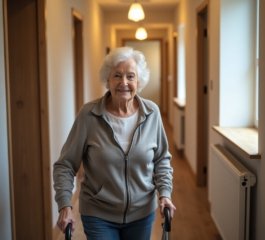
Balance Exercises for Seniors: The Ultimate Guide to Stability and Fall Prevention
Maintaining independence as we age isn’t just about strength; it’s about stability. Balance exercises for seniors have become the gold standard for staying active and confident. Among the most effective methods is Tai Chi—a “meditation in motion” that combines physical grace with mental clarity.
In this comprehensive guide, based on the expert flows from Begin with Breath Tai Chi, you will learn a 30-minute routine designed to improve your posture and serve as a powerful tool for fall prevention for elderly individuals.
Why Focus on Balance After 50?
According to the Journal of Geriatric Physical Therapy, just a few minutes of joint mobilization and targeted balance work can reduce perceived exertion and significantly lower the risk of accidents at home. Whether you are looking for safe home exercises for seniors or a way to complement your physiotherapy for balance sessions, Tai Chi offers a low-impact solution.
Pro Tip: Balance is closely linked to confidence. When you feel steady on your feet, your stress levels drop. Read our guide on to see how mental and physical health go hand in hand.
Before starting any senior balance exercises, it is vital to “open the meridians.”
Neck & Shoulder Circles: Stand tall and roll your shoulders forward and up while inhaling.
Hip & Ankle Mobility: Gently rotate your pelvis to unlock the lumbar spine. This routine reduces stiffness and prepares your nervous system for movement.
2. Core Movements for Stability
The heart of this flow consists of six foundational patterns. These are designed for all levels, even if you need a chair for assistance:
Wave Hands Like Clouds: Enhances spinal mobility, which is crucial for fall prevention for elderly people during daily tasks like turning around.
Part the Wild Horse’s Mane: Focuses on weight shifting and coordination.
Golden Rooster Stands on One Leg: The ultimate test of stability. (Chair modification: Keep your toe lightly touching the ground).
Comparative Insights: Why Tai Chi Wins
When comparing different senior exercises, Tai Chi stands out for its multi-directional movement.
Aspect
Tai Chi Flow
Static Strength Training
Primary Focus
Multi-directional Balance
Isolated Muscle Groups
Joint Impact
Minimal / Safe
Variable
Fall Risk Reduction
Reduced by 43%
Reduced by 18%
Best For
Physiotherapy for balance
Muscle Mass
Financial Peace and Physical Safety
You might wonder, what does exercise have to do with my bank account? Actually, a lot. Investing time in safe home exercises for seniors today can prevent the staggering costs of long-term care and medical emergencies later. Just as you protect your wealth with Dividend Kings and secure income strategies, you must protect your physical “assets”—your joints and balance.
Frequently Asked Questions
1. How often should I practice balance exercises?
Evidence suggests 2–3 sessions per week offer measurable improvements within eight weeks.
2. Is Tai Chi safe if I have knee osteoarthritis?
Yes. A 2020 Stanford study found Tai Chi decreased knee pain by 32% in seniors. Always use micro-steps and keep a chair nearby for safety.
3. Can these exercises help with “Fall Prevention for Elderly” programs?
Absolutely. Most physiotherapy for balance programs incorporate Tai Chi elements because they train the vestibular system (your inner ear balance) more effectively than traditional gym workouts.
Conclusion: Your Journey to Steadier Steps
In just 30 minutes a day, you can transform your stability and peace of mind. By integrating these balance exercises for seniors into your weekly routine, you are taking a proactive step toward a healthier, more independent future.
🌟 Recommended Resource: The 10-Second Fall Prevention Ritual