During the interview, Stephanopoulos also asked Bessent about the president’s renewed call to eliminate the Senate filibuster, a procedural rule that requires most legislation to secure 60 votes for passage. “Is the best way to end the shutdown right now to end the filibuster?” the host asked. Bessent avoided endorsing the proposal and instead emphasized bipartisan cooperation, saying, “The best way is for five Democratic senators to come across the aisle.”
The secretary’s remarks highlight the administration’s dual strategy: pressing Democrats to provide additional votes while simultaneously signaling a willingness to consider significant procedural changes if negotiations stall. However, Bessent’s reluctance to outline next steps left open questions about how the White House intends to advance either the budget discussion or the healthcare funding idea in the near term.
Saturday’s online statement by the president marked the first time he publicly suggested redirecting ACA funds to the public in cash form. Although the post quickly drew national attention, Bessent’s comments indicate that staff have not produced a legislative text, budget amendment, or executive action that would give the proposal formal shape. Without such documentation, Congress lacks a tangible measure on which to deliberate, leaving the plan in a conceptual stage.
The Affordable Care Act remains a frequent point of contention on Capitol Hill. Earlier efforts to repeal or replace the law failed to secure sufficient support, in part because the measure’s health insurance subsidies and expanded Medicaid rolls touch millions of households. Moving those funds directly to taxpayers would represent a major departure from current health-care policy, and any attempt to do so would likely require extensive legislative debate.
Meanwhile, the shutdown’s practical effects continue to unfold. Federal employees in agencies whose funding has lapsed face delayed paychecks, contractors remain in limbo, and a range of government services are curtailed. Although some critical programs operate on mandatory or advance appropriations, many discretionary activities are subject to day-to-day interruptions until Congress approves new spending authority.
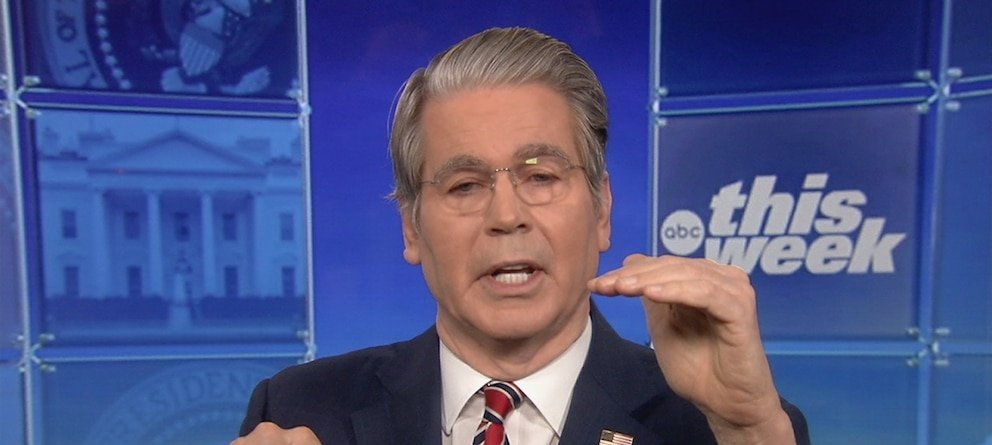
Imagem: Internet
Legal pressures on the administration also persist. On Friday evening, a federal justice issued a temporary stay on an order that would have compelled the government to provide full funding for the Supplemental Nutrition Assistance Program (SNAP). The pause postpones immediate action but underscores the growing number of court challenges that accompany a prolonged funding lapse.
Outside Washington, unrelated emergencies have added to the sense of national strain. For example, Hurricane Melissa made landfall in the Caribbean on Oct. 30, leaving officials in Jamaica without an official death toll as damage assessments continue. This backdrop of natural disaster response illustrates the broader stakes when federal coordination and resources are constrained.
As negotiations resume, legislative procedure remains a dominant theme. The filibuster, a Senate hallmark for decades, requires a three-fifths majority to close debate on most bills. Additional information on its history and application is available through the official U.S. Senate historical archives, which detail past efforts to modify or abolish the rule. Whether current talks will lead to another attempt to alter this threshold remains uncertain, particularly given mixed signals from administration officials and members of the president’s own party.
For now, Congress faces two immediate tasks: reopening the government and addressing the lingering question of healthcare funding. Bessent’s acknowledgment that no formal ACA redirection plan exists removes one potential variable from the immediate debate, but the president’s public comments ensure the idea will remain part of broader negotiations. Lawmakers are expected to reconvene later in the week as staff on both sides continue to draft proposals aimed at breaking the stalemate.
Crédito da imagem: ABC News


