Congressional scrutiny
Rep. Deborah Ross, D-N.C., pressed Bondi for a name or title of the official who signed the order. Bondi said only that she “learned after the fact” and directed Ross to the BOP for details. She insisted she played no role and attempted to steer the exchange toward unrelated violent-crime statistics in North Carolina. The attorney general’s deflection prompted Ross to reiterate that Maxwell should be returned to a higher-security facility “as soon as possible.”
Bondi’s posture fueled bipartisan frustration. Committee members noted that Maxwell has vowed to withhold cooperation with congressional probes unless the president grants her clemency. Asked directly whether the administration might consider a pardon, Bondi declined to provide assurance, repeating that incarceration should extend for the remainder of Maxwell’s life.
Victims’ presence in the chamber
Several survivors of Epstein’s trafficking network attended the hearing and stood when recognized by ranking member Jamie Raskin and Rep. Pramila Jayapal, D-Wash. Observers in the gallery reported that Bondi avoided eye contact with the group as she delivered opening remarks and later sparred with lawmakers. Survivors were seen shaking their heads when the attorney general criticized committee members instead of addressing Maxwell-related inquiries.
Political backdrop
The hearing unfolded amid intensifying scrutiny of the Justice Department’s oversight of high-profile inmates. Epstein died by suicide in 2019 while held at the Metropolitan Correctional Center in New York, a lapse that generated worldwide criticism of jail security and transparency. Bondi, confirmed as attorney general in 2025, has pledged institutional reforms but faces accusations of shielding politically connected figures.
During Tuesday’s session, Democratic members highlighted Bondi’s previous legal representation of Trump in matters unrelated to Epstein, suggesting potential conflicts regarding decisions affecting Maxwell. Republicans countered that the inquiry was an attempt to score political points rather than strengthen inmate-management protocols.
Deputy attorney general’s role
Todd Blanche’s involvement has become a focal point. Two congressional letters sent last month sought correspondence, meeting logs and internal recommendations concerning Maxwell’s status. Blanche has not responded. According to publicly available BOP policy, classification changes normally require a multidisciplinary team review and written justification. Whether such a process occurred remains unknown. (For context on federal inmate classification standards, consult the Federal Bureau of Prisons’ inmate policy manual at bop.gov.)
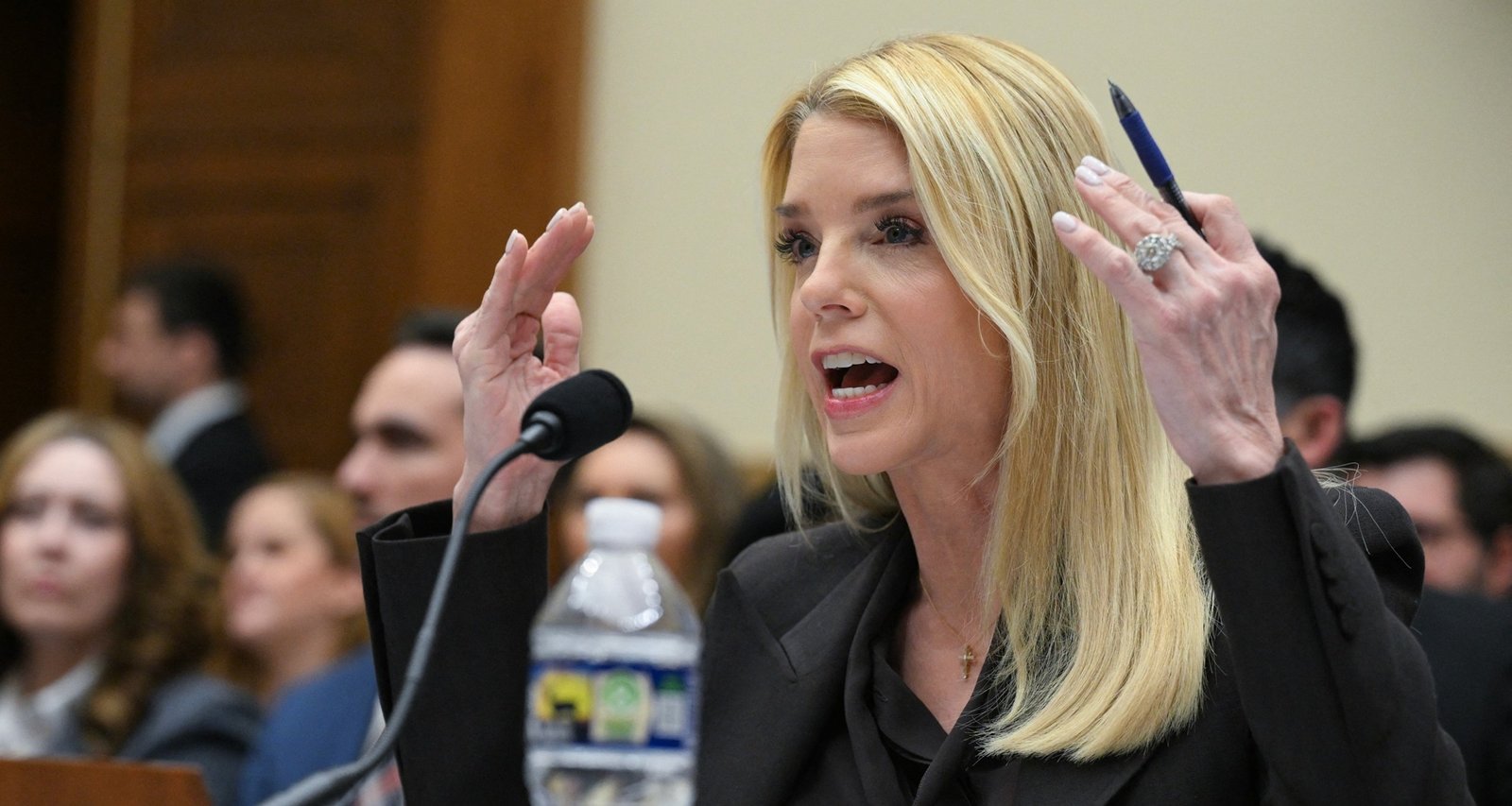
Imagem: Internet
Bondi’s remarks on other crimes
In an effort to shift the hearing’s focus, Bondi repeatedly cited the September 2025 homicide of Iryna Zarutska in Charlotte, Ross’s home district. She argued that local violent-crime trends deserved more attention than what she characterized as “one inmate transfer.” The approach drew sharp rebukes from several Democrats, who accused the attorney general of minimizing crimes committed by powerful offenders.
Legal avenues for Maxwell
Maxwell is appealing her 2021 conviction in the U.S. Court of Appeals for the Second Circuit. Her attorneys contend that juror misconduct and evidentiary errors warrant a new trial. Separately, they have floated the possibility of seeking executive clemency, a move President Trump has not ruled out publicly, though he stated last year that no formal request had reached his desk.
Next steps for Congress
Chairman Jerry Nadler, D-N.Y., signaled that subpoenas could follow if the Justice Department withholds documents on the transfer. Lawmakers are also considering bipartisan legislation that would tighten disclosure requirements whenever high-profile federal inmates are reclassified.
Broader implications
Critics argue that transparency lapses erode confidence in a correctional system already under scrutiny for overcrowding, staffing shortages and inconsistent medical care. Advocacy groups maintain that unexplained accommodations for wealthy or connected prisoners underscore systemic inequities.
What remains unclear
Bondi’s testimony left unanswered who initiated Maxwell’s reclassification, why the decision was made shortly after her meeting with the deputy attorney general, and whether White House officials were briefed in advance. The Bureau of Prisons has not responded to requests for the transfer packet, a standard set of forms that typically includes risk assessments and approval signatures.
The Judiciary Committee is expected to reconvene next month to continue its oversight of the Justice Department’s handling of Epstein-related matters. Until then, Maxwell remains housed at FPC Bryan, where security protocols are notably less restrictive than at her previous institution.
Crédito da imagem: Roberto Schmidt/AFP via Getty Images


