Indoor or Outdoor, the Pace Matters
Both research teams observed that the environment—inside a laboratory hallway or outdoors in nature—did not materially change the outcome. The critical variable was movement itself, particularly at a moderate speed that allowed the walker to remain relaxed and conversational.
Because the setting is secondary, individuals with limited access to parks or favorable weather can still expect benefits from treadmills, indoor walking loops or mall corridors. Conversely, those who prefer open air may combine the cognitive boost of walking with the psychological lift that comes from natural scenery, a connection also noted by numerous studies on green spaces and mental health. The Centers for Disease Control and Prevention underscores that regular physical activity contributes generally to improved mood and reduced stress.
Lasting Effects Beyond the Walk
Oppezzo and Schwartz included a post-walk measurement and discovered that enhanced idea generation continued after participants sat back down. Rominger’s analysis of daily step counts points to a similar prolonged effect: the creative edge appears to persist across the workday rather than vanishing once the walk ends.
This carryover has practical implications for anyone tackling complex problems. A brief stroll between meetings, or even laps around an office floor, could help sustain divergent thinking when employees return to their desks. Freelance writers and other creators may find the same benefit when they hit an impasse in plot or project design.
Integrating Walking Into Routine
The research suggests that making walking convenient encourages consistent practice. Urban planners and architects have responded by including interior walking tracks, perimeter corridors and landscaped courtyards in new construction. Homeowners can apply similar principles by adding curved garden paths, strategically placed seating areas or bird feeders that prompt exploration.
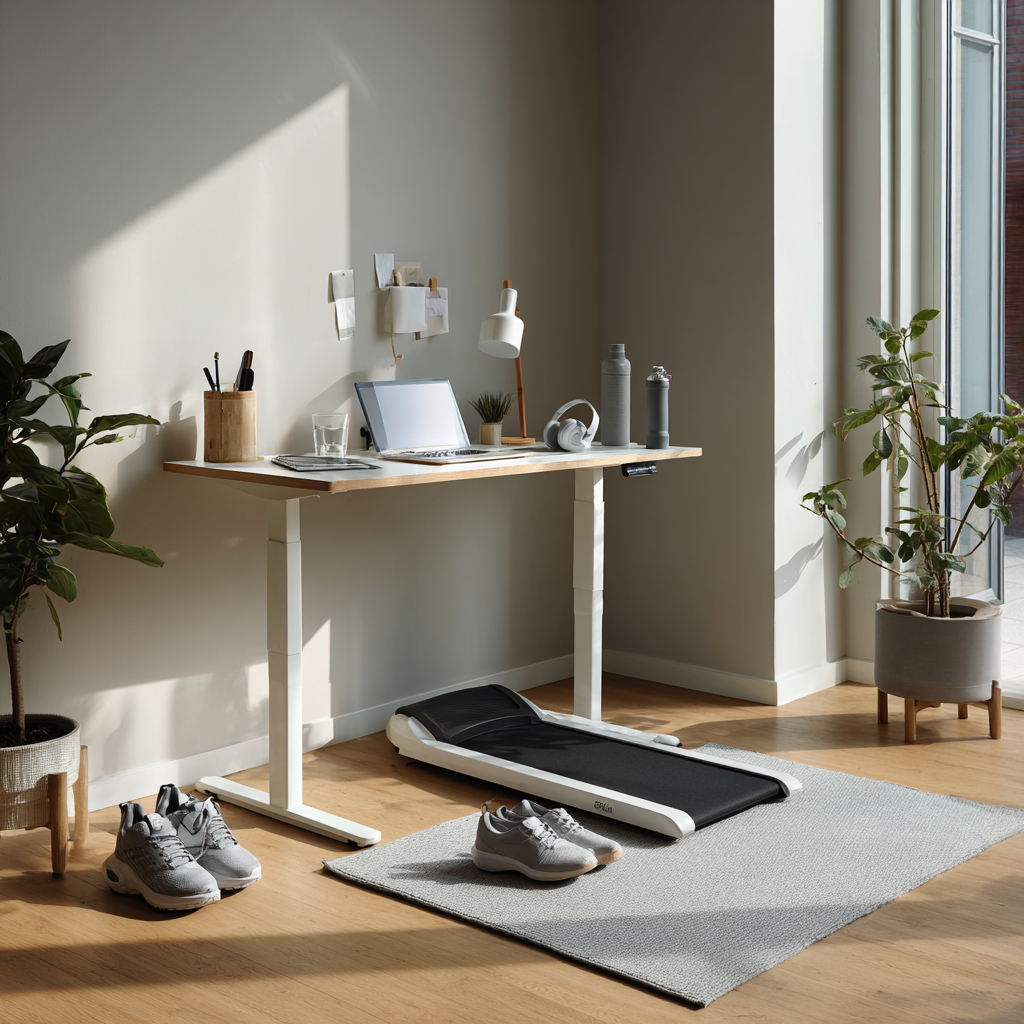
For those in small apartments, compact treadmills and under-desk walking pads serve the same purpose without requiring outdoor space. Employers interested in cultivating innovation may consider scheduled walking meetings, a format increasingly popular in technology and creative sectors.
Additional Health Payoffs
While the studies focused on cognitive outcomes, the act of walking simultaneously supports cardiovascular fitness, weight management and self-esteem. By reducing the likelihood of self-critical thoughts, improved self-image can indirectly free mental bandwidth for imaginative tasks. These secondary gains align with broader evidence that physical well-being and psychological functioning reinforce one another.
Beyond creativity, regular brisk walking is one of the best ways to protect the hippocampus, the brain’s primary memory and emotional center, from age-related shrinkage.
Key Takeaways
• Walking at a comfortable, sustained pace improves creative thinking, according to peer-reviewed research from 2014 and 2024.
• The effect appears whether walking indoors or outdoors and can last after the activity ends.
• Integrating walking—through office design, home equipment or outdoor paths—offers a practical, low-cost method to boost ideation.
For anyone facing a creative block, the emerging consensus is clear: step away from the chair, take a walk, and let the ideas follow.


