By 1967, Buffett bought an insurance company and placed it inside Berkshire rather than forming a separate entity. The textile division’s weak economics continued to absorb resources and management attention. Although the insurance operations and later acquisitions flourished, the textile segment generated minimal returns until it was finally shut down 20 years later.
In a 2010 conversation, Buffett said that if he had acquired the insurer directly, without the textile “anchor,” Berkshire’s aggregate value could have been twice its current level. He framed the episode as proof that “when a manager with a reputation for brilliance meets a business with poor economics, it is the reputation of the business that remains intact.”
Despite that early misstep, Berkshire Hathaway has grown into a conglomerate with a market capitalization above $1 trillion, holding major positions in companies ranging from Apple to American Express. Buffett’s personal fortune, almost entirely tied to Berkshire Class A shares, is estimated at $151 billion, ranking him tenth on the Bloomberg Billionaires Index. He would place 22nd if the Class B shares he has donated since 2006—currently worth about $208 billion—were included.
Looking back, Buffett says the primary lesson from Berkshire’s textile years is the importance of buying quality businesses, even at fair prices, rather than inexpensive companies with weak fundamentals. Although trained in Benjamin Graham’s deep-value approach, he credits longtime partner Charlie Munger with reinforcing the “buy great, not just cheap” philosophy that now guides Berkshire’s capital allocation.
Buffett also cites the experience when evaluating potential acquisitions. He receives frequent overtures to rescue or operate challenged enterprises but typically declines, arguing that business success lacks an Olympic-style “degree of difficulty” bonus. In his view, an investor gains no extra return for tackling a hard industry; stepping over “one-foot bars” is preferable to attempting “seven-foot” hurdles.
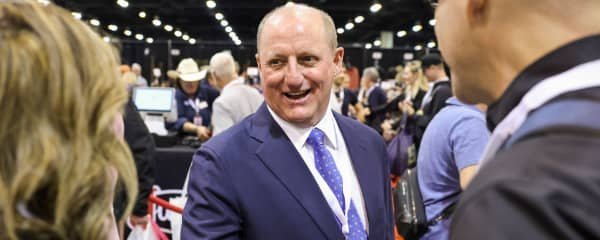
Imagem: Internet
Even so, Berkshire has occasionally ventured into sectors later disrupted by technological change. The company bought the Buffalo Evening News in 1977 and owned numerous newspapers until divesting the portfolio in 2020. Buffett distinguishes those situations from the original textile purchase, noting that Berkshire’s newspaper investments produced strong cash flows for many years before industry dynamics shifted.
As he exits the chief executive role, Buffett’s remarks serve as both cautionary tale and testament to adaptability. He spent two decades trying to reverse the textile unit’s fortunes—installing new equipment, acquiring another mill in Manchester, New Hampshire, and searching for operational synergies—before conceding defeat. In retrospect, he says he recognized the business’s bleak outlook early but was reluctant to abandon the attempt, partly out of loyalty to a committed workforce.
Berkshire now holds dozens of subsidiaries in energy, transportation, manufacturing and retailing, along with a significant equities portfolio disclosed each quarter to U.S. regulators. While Buffett will remain board chair, day-to-day leadership passes to Vice Chair Greg Abel, who oversees non-insurance operations.
The man long dubbed the “Oracle of Omaha” concludes that his greatest mistake stemmed not from misjudging markets but from underestimating the drag of a weak core business. The capital, time and attention expended on Berkshire’s textile operations, he says, could have compounded in higher-return ventures had he resisted the impulse to “get even” over an eighth of a dollar.
Crédito da imagem: CNBC Warren Buffett Archive


