Current U.S. recommendations
The CDC presently advises four doses of inactivated poliovirus vaccine at 2 months, 4 months, 6–18 months and 4–6 years of age. All 50 states include polio immunization among prerequisites for public school attendance. A similar approach applies to the combination measles, mumps and rubella (MMR) vaccine, first licensed in 1963; state laws likewise mandate two MMR doses for most schoolchildren.
Milhoan questioned whether those blanket rules remain justified in 2026. He noted that sanitation, nutrition and overall living conditions differ markedly from the 1950s, when the original Salk polio vaccine was introduced, and suggested that today’s lower infection risk may shift the risk-benefit calculation for some families.
“We are in a different time now than we were then,” he said during the podcast. “Our risk of disease is different, and that plays into the evaluation of whether this is worthwhile.” He also asked whether existing herd immunity—protection that arises when most people are vaccinated—could persist without continued universal coverage, adding that the answer “may look like it’s better not to get a vaccine, but if we take away all the herd immunity, does that switch?”
Reaction from medical community
Milhoan’s remarks prompted swift criticism from leading health organizations and vaccine experts. The American Medical Association issued a public statement defending the current childhood schedule and warning that relaxing mandates could endanger vulnerable populations. Dr. Paul Offit, director of the Vaccine Education Center at Children’s Hospital of Philadelphia, told ABC News the comments were “frightening” and “directly averse to the health of children in this country.”
Offit disputed Milhoan’s assertion that sanitation improvements reduced polio severity, explaining that cleaner water supplies in the mid-20th century actually delayed first exposure to poliovirus until maternal antibodies had waned, resulting in a higher rate of paralytic infections. According to the CDC, widespread vaccination eliminated wild poliovirus transmission in the United States by 1979 and continues to prevent its re-establishment through traveler importations (Centers for Disease Control and Prevention).
Regarding measles, Milhoan suggested that modern hospitals manage the illness more effectively than in prior decades and implied that declining case counts preceded vaccine introduction. Offit countered that no significant therapeutic advances have occurred since the 1960s; supportive measures such as oxygen, ventilation and intravenous fluids remain the mainstay of care, and the infection’s mortality rate—about one to three deaths per 1,000 cases—has not changed.
Last year the CDC recorded 2,255 measles cases, the highest tally in 33 years, along with three fatalities: two unvaccinated school-age children in Texas and one unvaccinated adult in New Mexico. Offit noted that the recent death-to-case ratio mirrors pre-vaccine patterns.
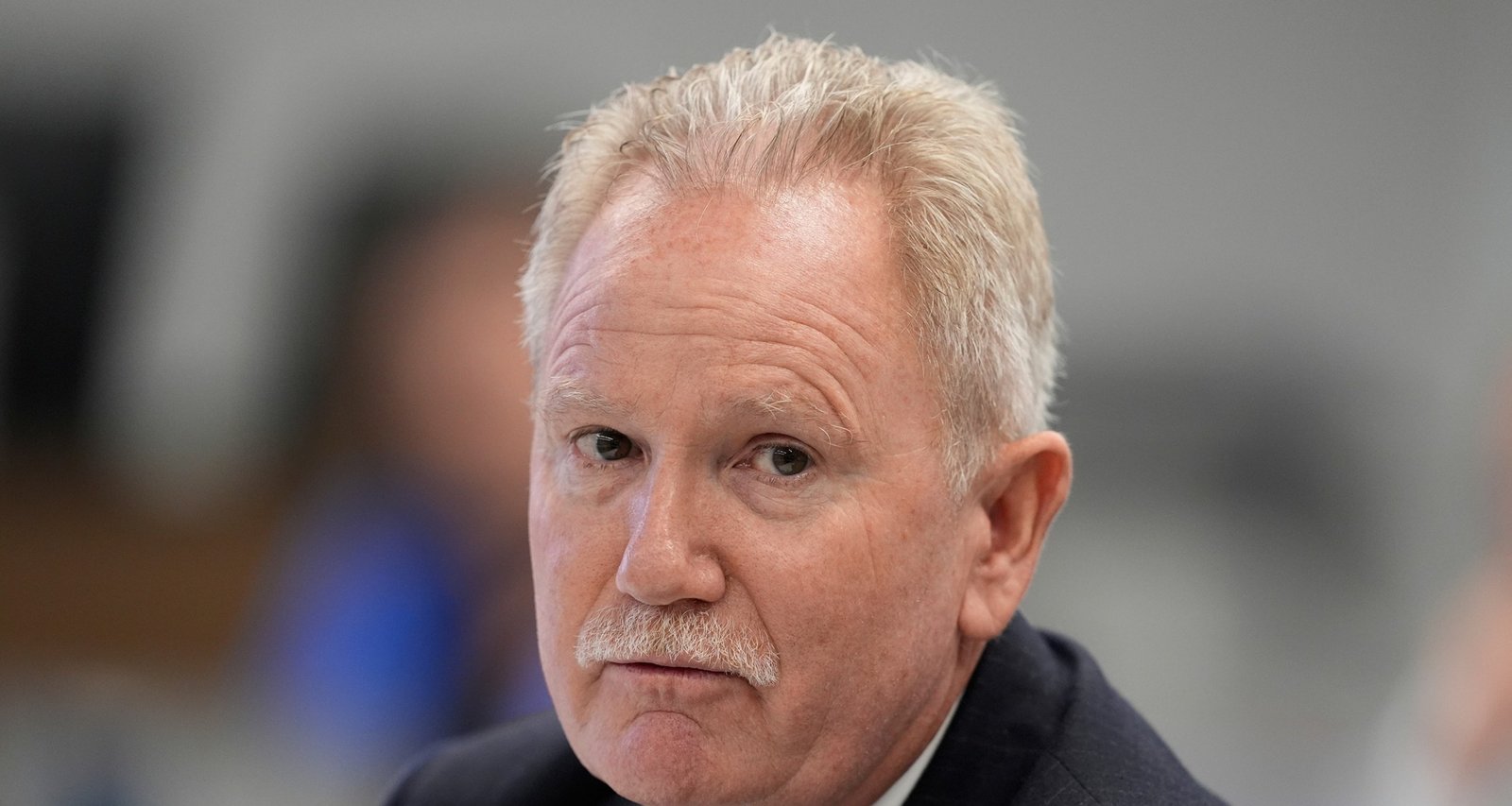
Imagem: Internet
Debate over safety monitoring
The ACIP chair also raised concerns about vaccine safety surveillance, describing existing monitoring systems as “very poor.” He argued that most studies emphasize efficacy rather than long-term adverse effects and characterized reports provided to ACIP for review as falling short of the scientific rigor he expects. “Science is what I observe,” he told the hosts.
Critics interpreted the statement as dismissive of established methodologies such as randomized controlled trials and large-scale observational studies. The U.S. employs multiple overlapping platforms—including the Vaccine Adverse Event Reporting System and the Vaccine Safety Datalink—to detect rare side effects. Federal health officials maintain that these tools offer continuous post-licensure oversight.
Autonomy versus community protection
Podcast co-host Tom Johnson pressed Milhoan on whether a parent’s choice to skip measles vaccination could infringe on the rights of immunocompromised children who cannot be vaccinated. Milhoan acknowledged the tension but argued that vaccine injury, though infrequent, could similarly represent harm imposed by one child on another. He did not specify how policymakers should balance those competing risks.
In a subsequent statement, the Independent Medical Alliance—a group that promoted unproven COVID-19 treatments—defended Milhoan, emphasizing that he is “not anti-vaccine” and supports the polio and smallpox vaccines’ historic success. The organization said he seeks to protect citizens “from government intrusion into personal medical decisions” and does not advocate for outright refusals.
Next steps for ACIP
Milhoan’s tenure as ACIP chair places him in a pivotal role: the committee reviews scientific evidence and votes on recommendations that guide pediatricians, insurers and state health departments nationwide. Any proposal to modify the childhood schedule would require majority support from the panel’s voting members, followed by acceptance from CDC Director Dr. Mandy Cohen.
In 2025 the ACIP reaffirmed the existing polio and MMR schedules without dissent. While the committee periodically updates guidance—most recently adding a maternal RSV vaccine recommendation in September 2025—fundamental changes to core childhood immunizations have been rare.
For now, the CDC continues to advise parents to follow the full routine series. Public health authorities caution that even brief declines in coverage can open gaps for outbreaks, particularly in communities with low uptake. As the debate unfolds, experts say data from any shifts in disease incidence, vaccination rates and adverse-event reporting will draw close scrutiny from both supporters and opponents of existing rules.
Crédito da imagem: Brynn Anderson / AP; Allen J. Schaben / Los Angeles Times via Getty Images; Annie Rice / Reuters