Trade with United States continues to contract
The customs figures show a pronounced shift away from the U.S. market. December exports to the United States fell 30 percent from a year earlier, marking the ninth straight monthly decline. Imports from the United States fell by a similar margin, down 29 percent.
For the full year, Chinese exports to the U.S. dropped 20 percent, while American goods entering China decreased 14.6 percent. The downturn highlights ongoing frictions despite a one-year truce announced in October, under which both governments agreed to roll back some export-control measures and select tariff increases.
Diversification toward other regions
Weaker U.S. volumes were partly offset by stronger flows to other major partners. In December, exports to the European Union increased 12 percent and shipments to the Association of Southeast Asian Nations (ASEAN) rose 11 percent. On the import side, purchases from the EU jumped 18 percent, while inbound trade from ASEAN contracted 5 percent.
Chinese officials have stated their intention to narrow persistent surpluses by expanding purchases from abroad. The customs agency reiterated that it views economic ties with the United States as potentially “mutually beneficial” and said it supports dialogue aimed at broadening cooperation.
Commodity trends: soybeans and rare earths
As part of the October accord with Washington, Beijing pledged to buy at least 12 million metric tons of U.S. soybeans within two months. Official data show that China imported 111.8 million tons of soybeans in 2025, up 6.5 percent from the prior year. December soybean arrivals totaled about 8 million tons, a year-on-year gain of 1.3 percent.
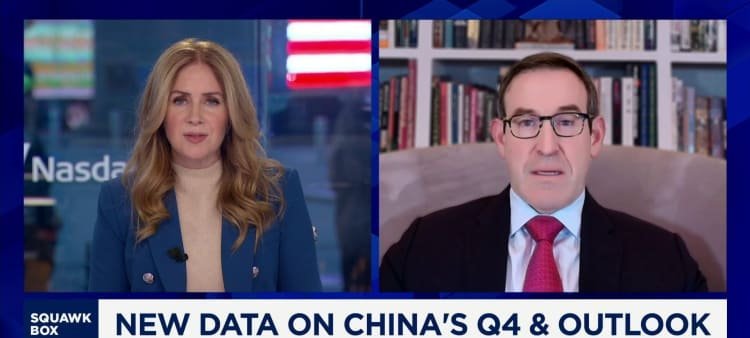
Imagem: Internet
Exports of rare-earth materials, which are critical for high-tech manufacturing, expanded 32 percent in December to 4,392 tons. For the entire year, shipments of the minerals rose 12.9 percent.
External advice and domestic backdrop
International institutions have urged China to rely less on external demand and strengthen consumption at home. International Monetary Fund Managing Director Kristalina Georgieva, speaking at a December briefing, recommended faster policy moves to spur household spending. The IMF’s stance aligns with concerns expressed by some economists that large surpluses could prompt trading partners to adopt additional protectionist measures, potentially disrupting global commerce (IMF).
Consumer prices were flat in 2025, missing the government’s approximate 2 percent inflation goal and underscoring soft domestic demand. The World Bank this week lifted its projection for China’s 2026 growth to 4.4 percent, citing expectations of continued fiscal support, resilient exports and improved investment sentiment.
Outlook and upcoming data
Many analysts expect Beijing to maintain its current macro-policy mix through at least the first quarter of 2026, arguing that export momentum is cushioning the economy while officials address weak private consumption. The National Bureau of Statistics is scheduled to publish fourth-quarter and annual gross domestic product figures next Monday. A Reuters poll of economists anticipates 4.5 percent growth for the October-December period. The official target for 2025 GDP growth remains “around 5 percent.”
While the record surplus offers fiscal breathing room, trade partners continue to monitor China’s export strength and limited import growth. The customs authority has pledged to introduce measures aimed at balancing trade flows, but sustained progress may depend on the trajectory of global demand, the evolution of tariff policies and the pace of domestic economic recovery.
Crédito da imagem: Cfoto / Future Publishing via Getty Images


