Friday’s tranche featured several images of Clinton, including photographs of him in a jacuzzi and swimming with Maxwell, who is serving a 20-year sentence following her 2021 conviction for sex trafficking minors. The department provided no explanatory captions for the images, which span the early 2000s.
The former president has long denied knowledge of Epstein’s criminal conduct. Flight manifests made public in earlier civil litigation show Clinton joined Epstein on four international trips in 2002 and 2003 to destinations such as Bangkok, Brunei, Rwanda, Russia and China. No Epstein survivor or associate has publicly accused Clinton of misconduct, and he has not been charged with any crime related to the financier.
Justice Department Defends Process
The department responded over the weekend to criticism that the staggered release fosters speculation. In a statement Sunday, officials said more than 200 attorneys are “working around the clock” to review the trove, citing statutory obligations to protect victims’ identities and privileged material. “No redactions have been or will be made to protect famous individuals or politically exposed persons,” the statement read. The department reiterated that it intends to publish all required records once sensitive information is properly masked.
Deputy Attorney General Todd Blanche, speaking Sunday on NBC’s “Meet the Press,” said the slow rollout aims to prevent further harm to survivors. “The statute also requires us to protect victims,” Blanche noted, explaining that lawyers are examining each page to remove names or identifying data. Some victims and their attorneys contend the effort has fallen short; two lawyers representing more than 200 survivors told ABC News they have already spotted unredacted personal details in the released documents.
Political Repercussions
Ureña’s statement argued that failing to publish all Clinton-related records would confirm suspicions that officials are shaping public perception through partial disclosures. He criticized what he described as “data dumps” timed late on Fridays, saying they appear designed to shift attention away from other concerns facing the administration.
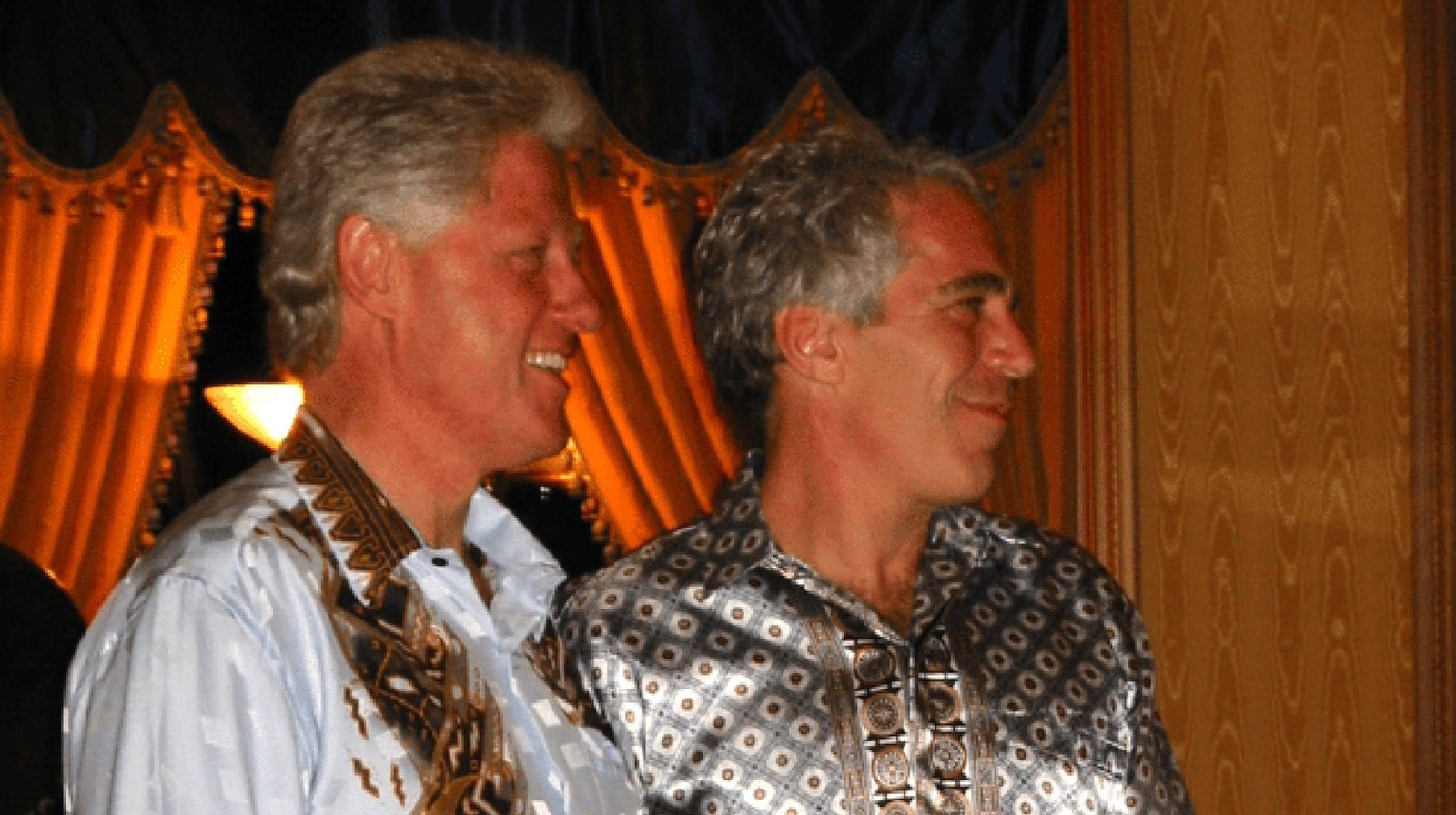
Imagem: Internet
Asked Monday about the number of Clinton photographs, Trump said he “hates to see photos come out of him,” but noted that a bipartisan coalition in Congress demanded full disclosure. “Everybody was friendly with this guy [Epstein],” the president said, adding that Epstein frequented social circles in Palm Beach and elsewhere. Trump himself has denied knowledge of Epstein’s crimes, stating in 2019 that the two had not spoken in 15 years and that he once barred Epstein from Mar-a-Lago.
Earlier in December, Democrats on the House Oversight Committee released their own cache of images recovered from Epstein’s estate. Those photographs showed Epstein or Maxwell with several high-profile figures, including Clinton, Trump, actor Woody Allen, Microsoft co-founder Bill Gates, former Prince Andrew, adviser Steve Bannon and entrepreneur Richard Branson. The committee provided no details on the dates or locations depicted.
Context of the Epstein Investigation
Epstein died by suicide in federal custody in August 2019 while awaiting trial on sex-trafficking charges. His activities have since spawned multiple inquiries, civil suits and legislative actions. Maxwell was convicted in 2021 on charges that included sex trafficking of minors and transporting a minor with intent to engage in criminal sexual activity. She is incarcerated at a federal facility in Florida.
For background, the Justice Department’s policies on victim privacy are outlined in the Office for Victims of Crime guidelines.
While lawmakers and survivors continue to press for comprehensive disclosure, the department has not provided a specific timeline for releasing the remaining files. Ureña said Clinton’s team will maintain its demand until every document and photograph involving the former president is public.
Crédito da imagem: U.S. Justice Department


