The letter also asked Comer to withdraw the subpoenas and the accompanying contempt resolutions. According to the attorneys, both clients have already submitted sworn written statements and wish to avoid protracted litigation that could delay oral testimony.
Comer calls offer insufficient
Comer responded Monday with what he termed “serious concerns.” He objected to the proposed four-hour limit, arguing that a hard cap could encourage filibustering and leave critical questions unanswered. He also criticized the suggested scope restriction, predicting that President Clinton might decline to address issues involving Epstein’s longtime associate Ghislaine Maxwell or other elements of their personal relationship.
The chairman further insisted on a sworn deposition rather than a voluntary transcribed interview. Under committee rules, witnesses in an interview may refuse to respond to questions not protected by privilege, a latitude Comer said could force the panel to restart the process with new subpoenas. “The committee needs full, sworn testimony to obtain a comprehensive understanding of President Clinton’s interactions with Epstein and Maxwell,” Comer wrote.
Background on contempt effort
The brinkmanship reached a peak on Jan. 21, when the Oversight Committee advanced two bipartisan contempt resolutions against the Clintons. The measures received support from Republicans and several Democrats, setting the stage for a potential House vote. Contempt of Congress is punishable by up to one year in prison and a $100,000 fine, though cases are rarely prosecuted.
According to a Congressional Research Service analysis, the chamber has voted 26 times since 1980 to hold individuals in contempt, and the Department of Justice has pursued criminal charges in only a handful of instances. The threat of contempt often serves as leverage to secure cooperation, a dynamic now playing out in the Clinton negotiations.
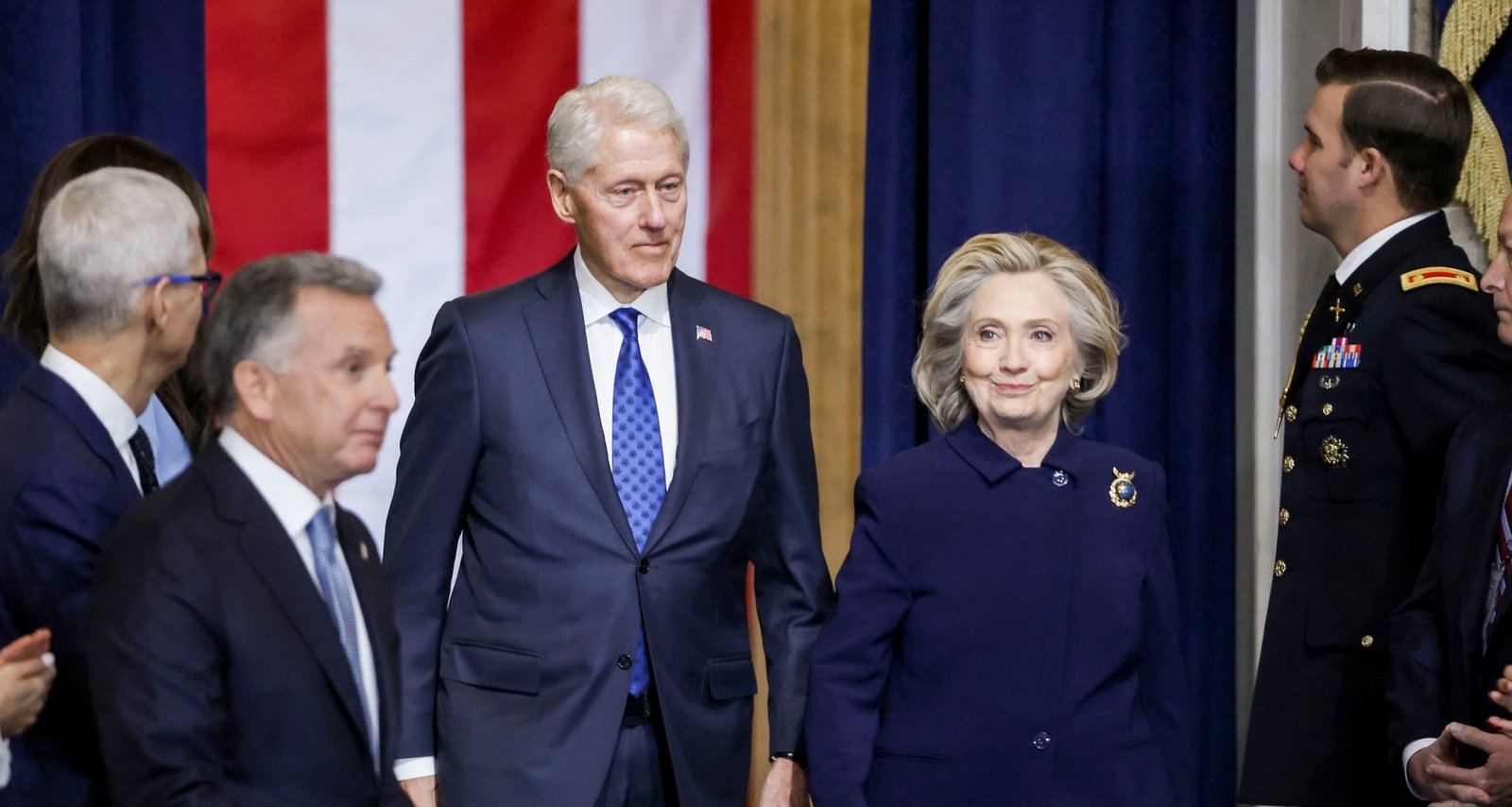
Imagem: Internet
No public allegations of misconduct
Thus far, no alleged victim or associate has publicly accused either Clinton of participating in or knowingly facilitating Epstein’s crimes. Hillary Clinton’s attorneys note that she left the State Department in 2013 and never oversaw the Department of Justice investigations into Epstein. Bill Clinton’s representatives point out that he has denied knowledge of Epstein’s activities and cooperated with prior inquiries.
The committee, however, maintains that the former president’s social interactions with Epstein—documented in flight manifests and visitor logs—warrant further clarification. Flight records made public by a 2020 federal court filing show Clinton traveled several times on Epstein’s private aircraft between 2001 and 2003, trips his office has said were related to philanthropic work.
Next procedural steps
House Republican leaders had reserved floor time for a vote as early as Feb. 4, but that schedule now depends on Comer’s assessment of the proposed deposition framework. A majority vote would be required to refer criminal contempt charges to the Justice Department. If Comer accepts revised terms and the Clintons testify, the contempt measures could be shelved or formally withdrawn.
Democratic members of the Oversight Committee have urged a negotiated resolution. Ranking Member Rep. Jamie Raskin, D-Md., argued during the Jan. 21 markup that an agreement would preserve committee prerogatives while avoiding unnecessary escalation. Several Democrats nonetheless voted to advance the resolutions, citing the need to protect congressional authority to compel testimony.
Key points of contention
- Scope of questioning: The Clintons seek limits to topics directly tied to federal investigations of Epstein; Comer wants latitude to explore any relevant interactions or knowledge.
- Format: The committee insists on sworn depositions; the witnesses propose a voluntary, transcribed session.
- Duration: Counsel offered four hours with 30-minute rotations; Comer prefers no fixed end time and 60-minute blocks per side.
- Recording method: The witnesses request their own transcriber in addition to the official court reporter.
Unless those differences are resolved, the committee could proceed with contempt despite Monday’s breakthrough. For now, Comer told reporters he will consult with members before deciding whether to postpone the vote.
Crédito da imagem: Saul Loeb/AFP via Getty Images