Judge Currie, a 1994 appointee of President Bill Clinton who was assigned last month to review the matter, stated she intends to issue a decision before the Thanksgiving holiday. Her questioning Thursday suggested concern about both the speed of Halligan’s appointment and the government’s subsequent attempts to validate her actions.
Disputed retroactive authorization
A central point of contention involves a supplemental order signed by Attorney General Pam Bondi more than a month after Halligan took office. The directive sought to designate Halligan retroactively as a “Special Attorney” empowered to pursue the indictments. Bondi wrote that she had reviewed Halligan’s grand-jury presentations, but Currie noted an unexplained gap in the transcript—covering the final minutes before the indictments were returned—indicating no court reporter was present or that part of the record was never transcribed.
“How does the attorney general claim to have reviewed materials that do not exist?” the judge asked from the bench, pressing Justice Department attorney Henry Whitaker for clarification. Whitaker responded that Bondi’s “awareness of the material facts” satisfied legal standards and dismissed the transcript issue as “at best, a paperwork error.” He further requested that, even if Halligan were disqualified, the indictments themselves remain intact.
Pattern of disputed appointments
The dispute follows several recent instances in which courts have removed prosecutors the Trump administration attempted to extend beyond the 120-day statutory limit for interim U.S. attorneys in Los Angeles, Nevada and New Jersey. In the Virginia office, federal judges had unanimously selected Siebert to continue temporarily after his 120-day term expired, but the administration replaced him with Halligan before those cases concluded.
According to defense filings, Siebert and career prosecutors previously assessed the evidence against Comey and James and advised that jurors were unlikely to convict. After Siebert’s removal, Halligan overrode those recommendations and brought the matters directly to grand juries, which indicted Comey on two of three counts sought and later charged James on multiple mortgage-fraud allegations.
Critics outside the courtroom have described the prosecutions as part of a broader effort by Trump to retaliate against political adversaries. The administration has denied that claim; Vice President J.D. Vance has stated that all charging decisions are “driven by law and not by politics.”
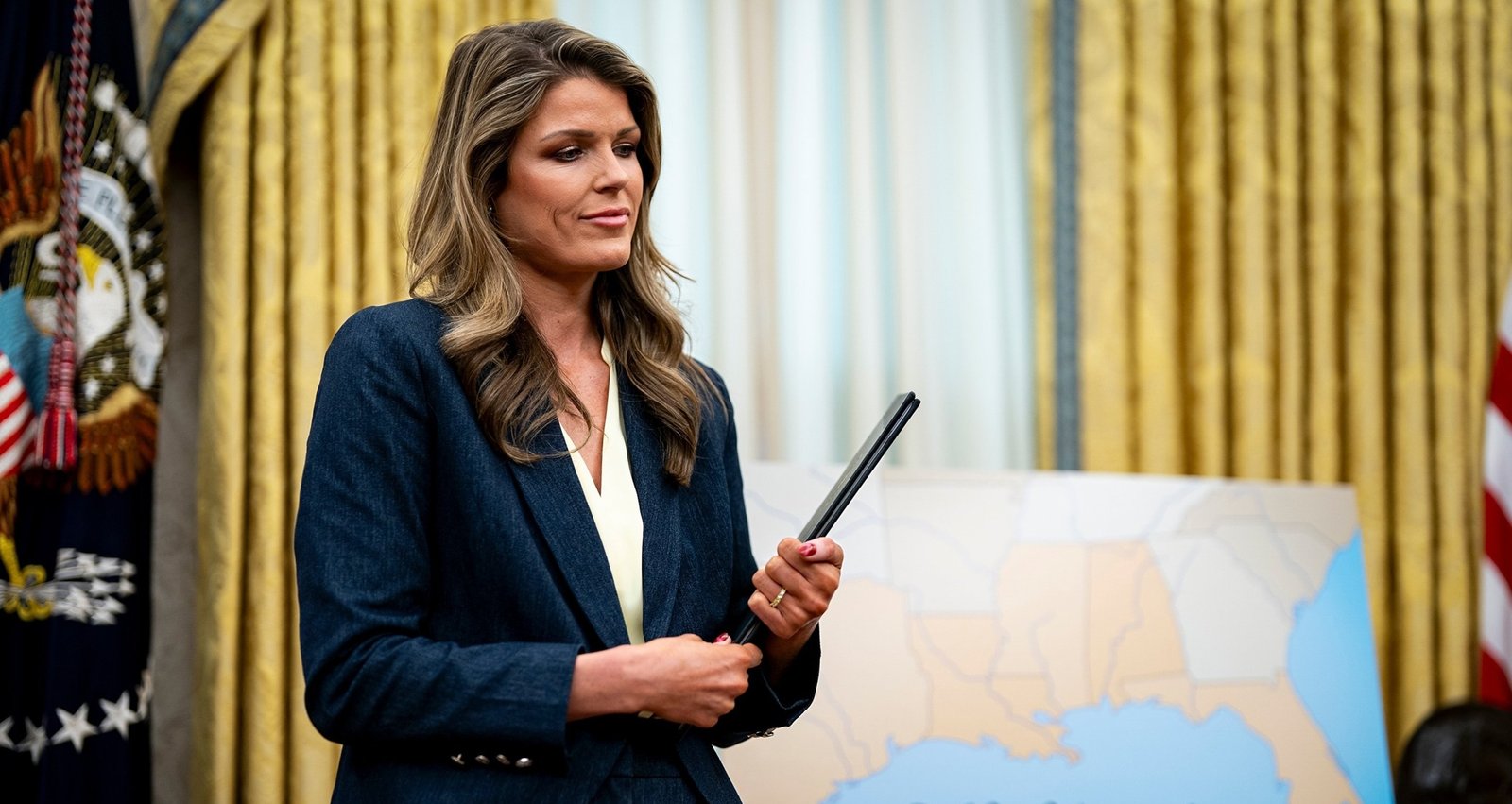
Imagem: Internet
Relief sought by the defense
Comey and James are asking Judge Currie to dismiss the indictments with prejudice, a ruling that would bar the government from filing the same charges again if Halligan’s appointment is deemed invalid. Their attorneys argued that Bondi’s retroactive order cannot cure the alleged constitutional defect because Halligan already had appeared before both grand juries and obtained indictments before any special designation was issued.
Defense counsel also cited a recent ruling in another district where judges found similar back-dated appointments impermissible under the Appointments Clause. For reference, the clause requires principal federal officers to be appointed by the president and confirmed by the Senate, while certain inferior officers may be appointed by department heads or courts. Detailed language can be reviewed at the Congressional online version of the Constitution.
In court, Whitaker maintained that Halligan’s installation complied with statutes permitting the attorney general to name interim leaders and that any technical deficiencies were remedied once Bondi issued her supplemental order. He warned that dismissing the indictments would allow high-profile defendants to escape accountability on procedural grounds rather than on the merits of the allegations.
Separately, a non-profit legal watchdog has filed a bar complaint against Halligan, asserting that her rapid move to indict two officials perceived as political foes breached professional conduct rules. The complaint is pending before state disciplinary authorities.
If Judge Currie rules in favor of the defense, the decision could mark the fourth time in two years that courts have blocked Trump-era attempts to sidestep appointment limits for interim U.S. attorneys. Should the indictments stand, Comey and James would proceed to trial on charges that carry potential prison sentences and significant fines.
The Justice Department and the White House have not indicated whether they will seek appellate review should Currie dismiss the cases. For now, both sides await a ruling expected within the next two weeks.
Crédito da imagem: Al Drago/Getty Images


