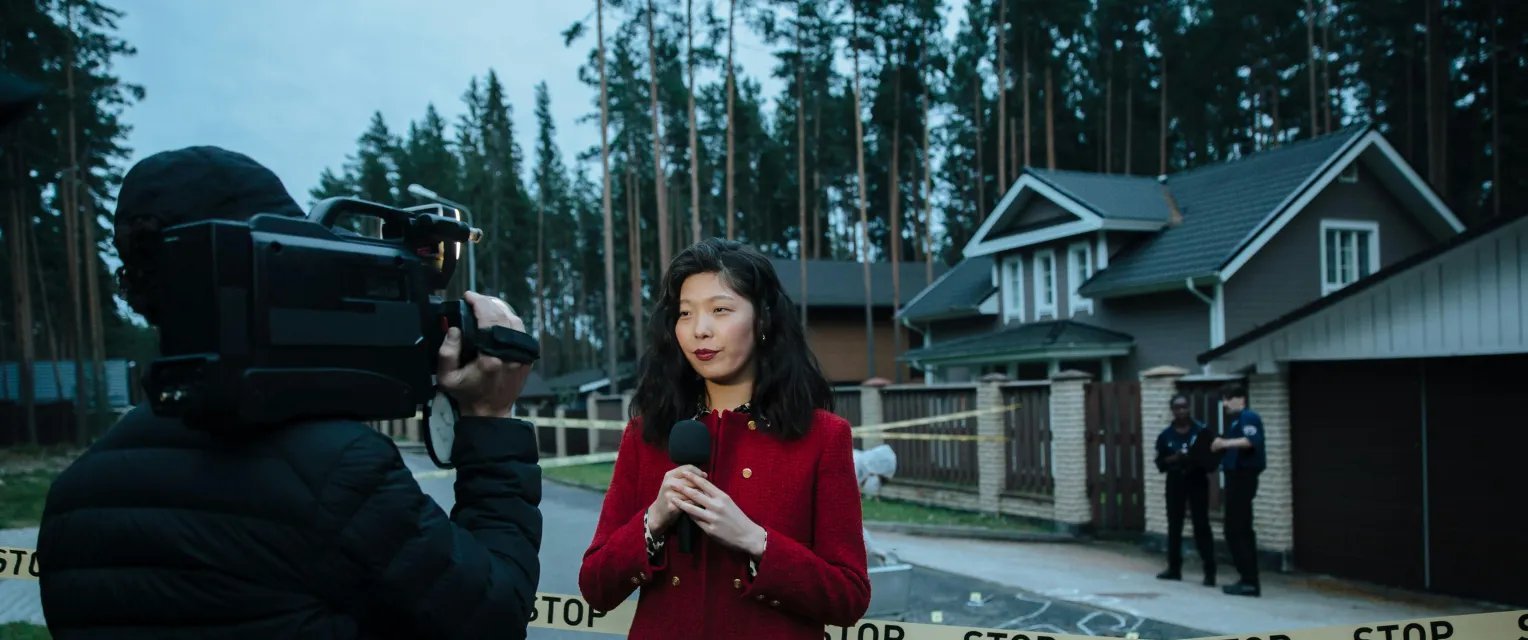
Modern life is marked by an almost uninterrupted flow of alarming information, a dynamic that researchers describe as a shift from isolated episodes of fear to a sustained state of collective anxiety. Studies examining the past two decades of global events—terrorism, financial upheavals, extreme weather, and the COVID-19 pandemic—conclude that round-the-clock media coverage intensifies personal feelings of vulnerability even when individuals are geographically distant from the actual danger.
The transformation of risk perception
Sociologist Ulrich Beck argued in 2006 that industrialized societies were entering a “world risk” phase in which hazards are increasingly global rather than local. Subsequent work by Paola Rebughini in 2021 indicated that this change has normalized anxiety in Western cultures, particularly during large-scale crises such as the recent pandemic. Instead of responding to immediate threats, people now devote sustained attention to preventing theoretical future disasters, creating what Beck called a permanent state of anticipation.
Media saturation as a driving force
Research consistently links heavy media consumption with elevated anxiety levels. During the COVID-19 outbreak, Garfin, Holman, and Fischhoff (2022) found that Americans who followed pandemic news intensively reported higher general anxiety than those who limited exposure. Comparable results emerged in Europe: Vacondio and colleagues (2021) observed that extensive media use corresponded with greater worry and a higher likelihood of adopting protective behaviors, while Lanciano et al. (2020) connected risk perception in Italy to broader psychological distress unrelated to infection itself.