
Digital dating platforms entered the market promising easier access to potential partners, broader social circles, and faster paths to romance. Services such as Tinder, Bumble, and Hinge emphasized efficiency by allowing users to connect beyond geography and traditional networks. While many individuals have met companions, spouses, and long-term partners through these applications, emerging evidence suggests the technology’s influence extends far beyond matchmaking. An expanding body of research now raises concerns that swiping-based systems are reshaping self-perception, expectations of intimacy, and views of other people’s value.
A recent series of systematic reviews and meta-analyses (Sharabi et al., 2025; Cela & Wood, 2026) links frequent dating-app engagement to higher levels of loneliness, anxiety, depressive symptoms, and body dissatisfaction. Although the findings are largely correlational, the consistency across studies has prompted psychologists to examine how interface design might heighten social comparison, rejection sensitivity, and self-objectification. In many cases, users report compulsive checking, emotional exhaustion, and diminished well-being even when overall match numbers appear high.
The Marketplace of Rapid Visual Judgments
Offline attraction often develops gradually through humor, empathy, shared experience, and familiarity. By contrast, dating apps compress evaluation into seconds, relying on profile photographs, age, occupation, and brief biographies. Researchers note that this structure turns romance into a marketplace of continuous visual appraisal, where perceived desirability is quantified by matches, likes, and message counts. Bowman et al. (2026) observe that users frequently adopt impression-management strategies—filtered images, selective disclosures, and algorithm-oriented content—to remain visible and competitive.
Repeated exposure to appearance-centered feedback can foster self-surveillance. Instead of viewing themselves as multidimensional, individuals may begin to assess personal worth through the platform’s metrics. When matches stagnate or conversations abruptly end, some users internalize the silence as evidence of inadequacy rather than a routine part of dating. Clinician guides published in 2025 describe a pattern in which users cycle through profile edits, photo swaps, and app reinstallations in search of renewed validation, often without achieving deeper connection.
Abundance and Declining Satisfaction
Another prominent concern involves the perception of limitless alternatives. Swiping interfaces continually present new profiles, suggesting that someone more attractive, entertaining, or compatible could appear at any moment. Sharabi and colleagues (2025) report that this abundance may reduce commitment and satisfaction because users hold emotional investments loosely, always aware of additional options one gesture away. The phenomenon, sometimes called “swiping fatigue,” has been linked to dating burnout and rising feelings of alienation despite unprecedented social access.
Balki (2025) argues that intermittent reinforcement—from occasional matches or flattering messages—keeps users engaged even as loneliness intensifies. The reward structure parallels mechanisms found in other persuasive technologies, where unpredictable payouts sustain behavior. Consequently, engagement can persist long after hope for authentic intimacy declines, creating a feedback loop of anxious swiping and short-lived emotional highs.
Normalization of Disposability
Because digital interactions often lack overlapping social networks, behaviors such as ghosting or abrupt disengagement carry few consequences. Over time, this low-accountability environment may normalize rapid dismissal of perceived imperfections—awkward humor, delayed replies, or minor disagreements—that would be tolerated in face-to-face contexts. Some scholars argue that the practice conditions users to view matches less as complex individuals and more as interchangeable profiles within an endless queue.
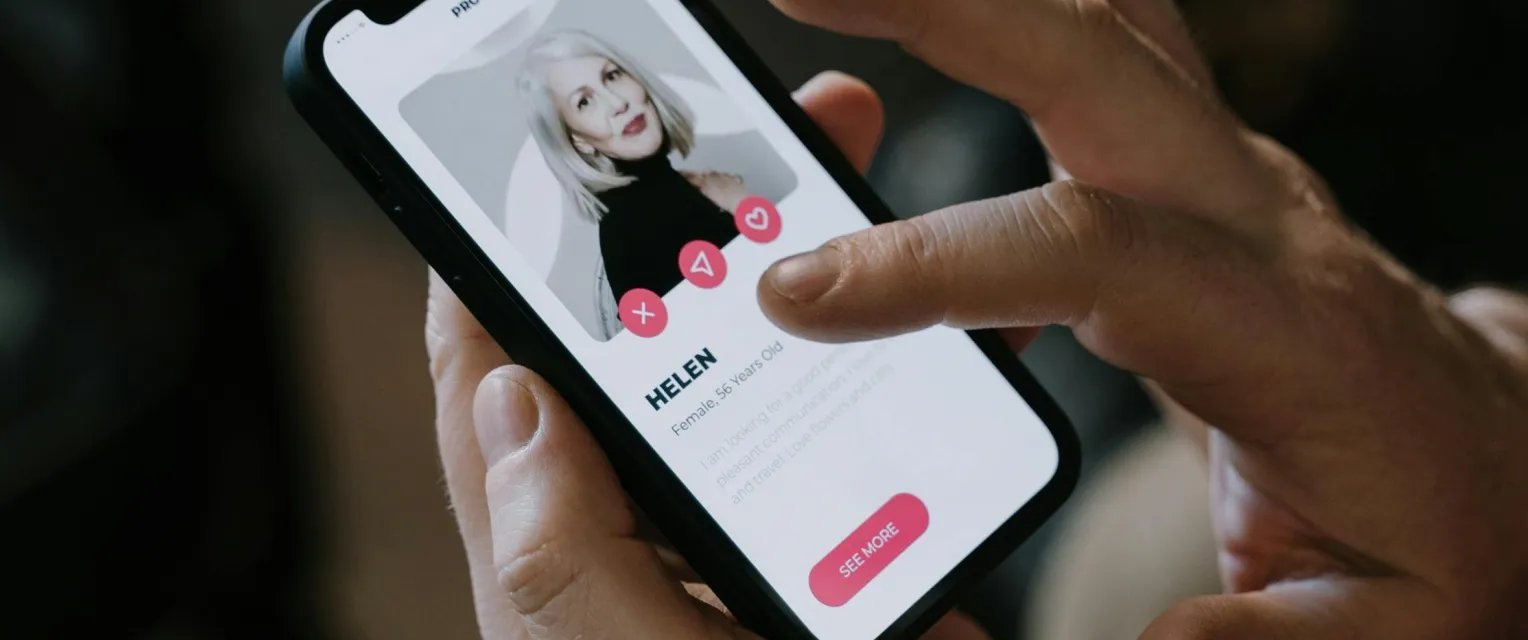
Imagem: Internet
The shift can also elevate expectations for instant chemistry and continual stimulation. Meaningful relationships typically emerge through gradual vulnerability and patience, yet the design of many platforms rewards novelty over depth. Cela & Wood (2026) suggest that, under these conditions, appearance-based validation often substitutes for authentic closeness, leaving users simultaneously hyperconnected and emotionally isolated.
Broader Psychological Ramifications
Researchers caution that susceptibility to these dynamics is not limited to inexperienced or uninformed users. Fundamental human needs—belonging, acceptance, and reassurance—make even emotionally stable individuals responsive to the platform’s reward cues. The Mentor Research Institute’s 2025 clinician guide lists dating-app-related topics among emerging priorities for mental health practitioners worldwide. According to the World Health Organization, social isolation is a recognized risk factor for adverse mental health outcomes, underscoring the public health relevance of these findings.
Although the technologies have clearly enabled many successful relationships, scholars contend that critical attention is needed to address unintended side effects. The core issue, they argue, lies less in the existence of apps and more in a design logic that favors speed, quantity, and visual appeal over patience, quality, and emotional presence. If prevailing norms continue to prioritize rapid assessment and disposability, the cumulative impact could extend beyond dating culture, shaping wider social expectations regarding empathy, commitment, and human value.
Consequently, ongoing research aims to clarify causality, identify vulnerable populations, and develop guidelines that balance technological convenience with psychological well-being. Until deeper evidence emerges, mental-health professionals recommend mindful engagement: setting usage limits, focusing on conversation depth, and remembering that profile-based validation is not synonymous with intimacy. Such steps, experts say, may help users benefit from expanded opportunities for connection without adopting habits that reduce people to replaceable digital entries.