Angel Urena, a spokesperson for Clinton, responded that the photographs showed no misconduct and accused the department of releasing selective material. Some members of Congress voiced similar concerns, arguing that the partial disclosure fails to meet requirements set by a law Trump signed that directs the department to release the “entirety” of the Epstein investigative files within 30 days.
Victim privacy cited as reason for withholding some material
Blanche defended the incremental approach, noting that officials must remove information that could identify victims. Since the release effort began, the department has compiled more than 1,200 names of victims and family members whose privacy is protected under federal statutes. Blanche said the volume of sensitive material makes immediate full compliance impossible, but added that the department intends to satisfy the law’s conditions “consistent with legal obligations.”
Asked whether his past role as Trump’s personal lawyer could influence disclosure decisions, Blanche replied that the public should judge the department by the documents it ultimately releases. He emphasized that redactions are being carried out by “dozens” of career attorneys in the National Security Division, not by political appointees.
Transfer of Ghislaine Maxwell addressed
The deputy attorney general also defended the Bureau of Prisons’ decision in August to move Ghislaine Maxwell, Epstein’s convicted associate, to a lower-security facility in Texas. Blanche cited “multiple threats” against Maxwell as the basis for relocation and said such transfers are a common protective measure. He rejected allegations that Maxwell is receiving preferential treatment, asserting that she remains in federal custody under standard conditions.
Continuing probes of Comey and James
Blanche confirmed that investigations of former FBI Director James Comey and New York Attorney General Letitia James are ongoing despite recent setbacks. Two federal grand juries declined to re-indict James on mortgage-fraud charges, and a judge in Washington, D.C., limited prosecutors’ access to evidence in the Comey inquiry. Blanche said career investigators are reviewing evidence and will present cases to grand juries “in the normal course.” Both Comey and James have denied wrongdoing.
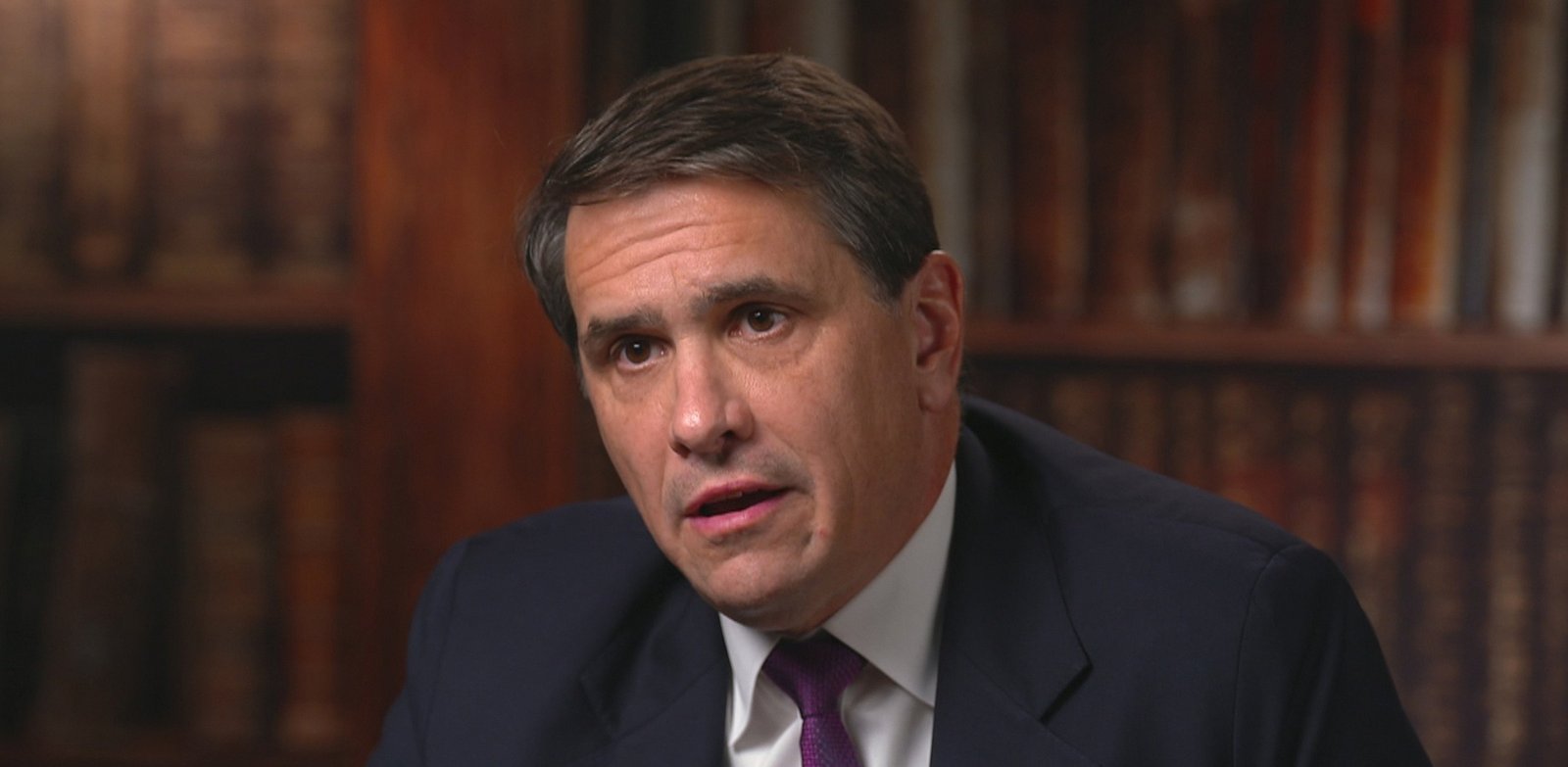
Imagem: Internet
The prosecutions have drawn scrutiny after an earlier federal judge dismissed related indictments, ruling that a special prosecutor appointed by the Trump administration lacked legal authority. Critics contend that renewed efforts to charge the two officials are retaliatory. Blanche rejected that view, stating that decisions are evidence-based and follow standard departmental procedures.
Background on disclosure law
The Epstein Records Transparency Act, signed by Trump on Nov. 20, 2025, gave the Justice Department one month to release all non-exempt investigative files. The statute mirrors previous disclosure mandates, such as the [JFK Assassination Records Collection Act](https://www.archives.gov/research/jfk) enacted in 1992, which similarly balances transparency with privacy and national-security considerations.
According to Blanche, each document undergoes a review to determine whether information must be withheld to protect ongoing investigations, grand-jury secrecy, or victims’ identities. He insisted that no direction has been issued to shield Trump or any other individual from scrutiny.
The next tranche of Epstein files is expected within days, though the department has not specified a timeline for completing the release. Lawmakers have signaled they may move to compel faster compliance if the 30-day deadline passes without full publication.
Crédito da imagem: U.S. Justice Department via Reuters


