Interim Leadership and U.S. Involvement
Shortly after Maduro’s capture, Venezuelan Vice President Delcy Rodríguez was sworn in as interim president. U.S. President Donald Trump stated that Washington would “run” Venezuela for an unspecified period, though no formal timetable for an electoral transition has been announced. Pressed on the issue Monday, White House Press Secretary Karoline Leavitt told reporters it is “too soon” to set an election date. She added that Rodríguez and her cabinet have cooperated with the United States, pointing to a recent agreement on energy supplies.
In parallel, the State Department on Jan. 10 advised all U.S. citizens to depart Venezuela immediately, citing potential instability after Maduro’s removal. Detailed travel information remains available through the U.S. State Department.
Regional Tensions Escalate
President Trump has expanded his focus beyond Venezuela, warning neighboring governments to align with U.S. positions. On Jan. 11 he urged Cuba to negotiate with Washington “before it is too late,” asserting that no further oil or financial support would flow from Venezuela to Havana. He also claimed that Cuban personnel providing security services in Venezuela were largely killed during the Jan. 3 operation, a statement Havana has not confirmed.
Cuban President Miguel Díaz-Canel responded the same day, asserting that the United States lacks moral authority to criticize Cuba. Foreign Minister Bruno Rodríguez echoed the sentiment, emphasizing Cuba’s right to import fuel from willing partners and rejecting external interference.
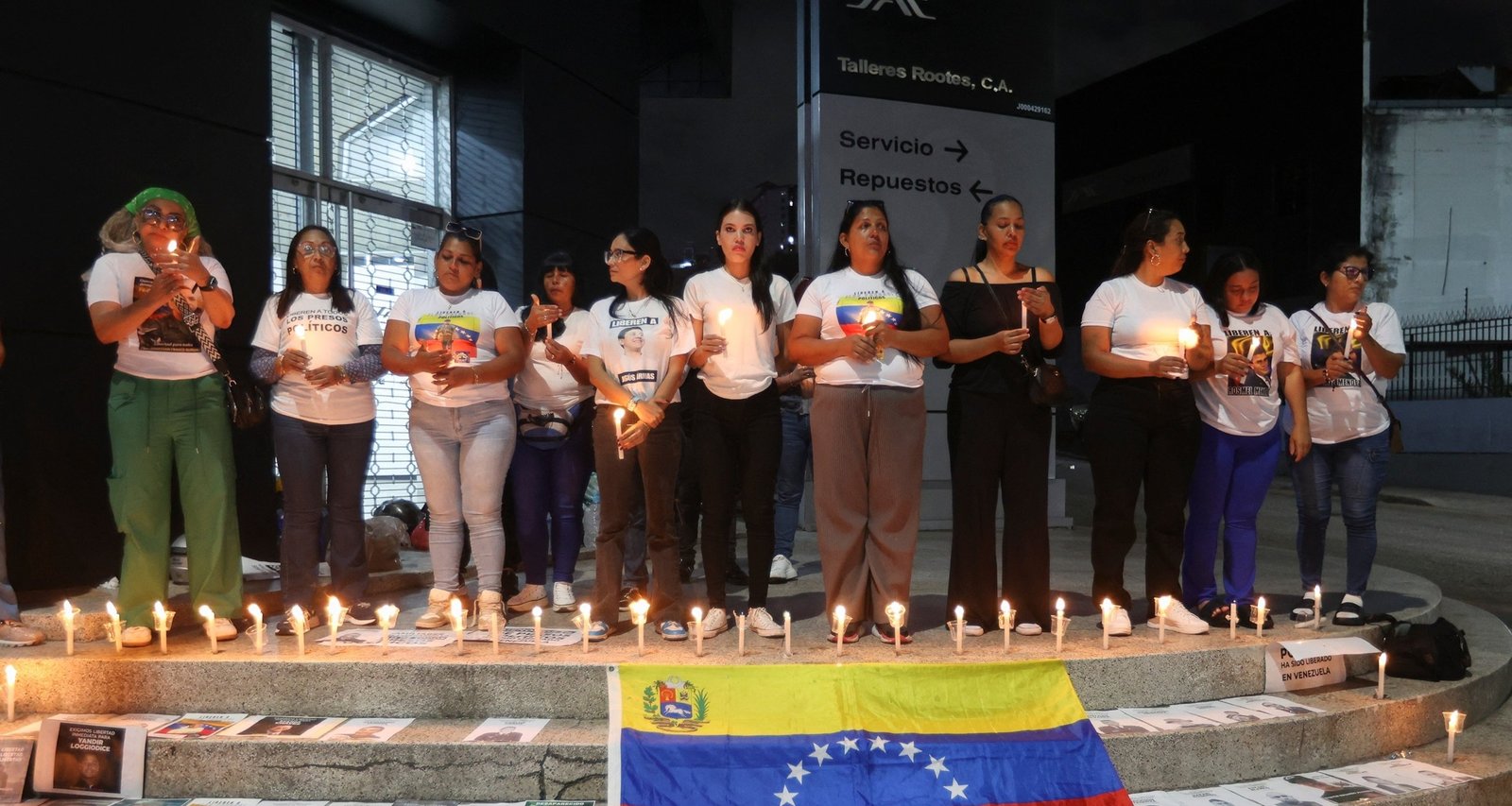
Imagem: Internet
Similar pressure was directed at Colombia and Mexico. Earlier threats aimed at Bogotá have subsided after Colombian President Gustavo Petro held what both sides described as a productive telephone conversation with President Trump. Petro is scheduled to visit the White House later this week. Mexico has not publicly detailed its diplomatic engagement following the U.S. operation in Caracas.
Next Steps for Venezuela
While the release of U.S. detainees represents a notable step, significant uncertainties remain. The interim government has not outlined a comprehensive political roadmap, and the White House continues to review its strategy. Human-rights advocates are monitoring the situation closely, particularly the status of Venezuelan nationals still in custody. The State Department indicated that its team will maintain a presence in Caracas to facilitate additional releases and support legal processes stemming from the military action.
For now, U.S. officials describe cooperation with interim leaders as constructive, though no guarantees have been offered regarding future election scheduling or the duration of foreign oversight in Venezuelan affairs.
Crédito da imagem: Pedro Mattey/AFP via Getty Images


