Federal authorities have not specified how long the operation will last, how many Immigration and Customs Enforcement (ICE) personnel will remain in Maine or whether Customs and Border Protection (CBP) agents currently deployed elsewhere will be reassigned to the state. A DHS official said the scope and duration will be based on “operational needs and intelligence.”
State officials prepare for possible protests
Governor Mills, a Democrat who is running for the U.S. Senate this year, stated in a video released on 14 January that her administration had repeatedly sought details about upcoming federal enforcement actions but had received no substantive information. In the same message, she directed the Maine State Police to coordinate closely with local departments across the state and with the Office of the Attorney General in anticipation of potential unrest linked to immigration arrests.
Mills reiterated her support for peaceful public demonstrations, noting that Maine residents have a constitutional right to assemble. She also warned that any federal officers arriving in the state must respect civil liberties and avoid tactics she described as provocative. “If your plan is to come here to undermine the civil rights of Maine residents, those tactics are not welcome,” she said.
The governor’s remarks came days before U.S. Attorney Andrew Benson, the chief federal prosecutor for the District of Maine, issued his own statement. Benson affirmed that the right to protest is protected but cautioned that acts such as forcibly assaulting a federal law-enforcement officer, destroying government property or obstructing federal activity will be prosecuted. He added that his office is prepared to charge anyone who violates federal statutes during demonstrations connected to the DHS operation.
Local reaction ranges from caution to condemnation
Across Maine, municipal leaders have responded differently to the federal operation. In Lewiston, the state’s second-largest city, Mayor Carl Sheline condemned what he called “terror and intimidation tactics” by ICE. Sheline argued that masked agents operating in his community erode public trust and harm vulnerable residents. He pledged that Lewiston will continue to support all who consider the city home.
Portland officials have not yet released a detailed response, but a spokesperson said the city is in regular contact with the governor’s office to monitor developments. Portland is Maine’s most populous city and a longstanding resettlement hub for immigrants and refugees.
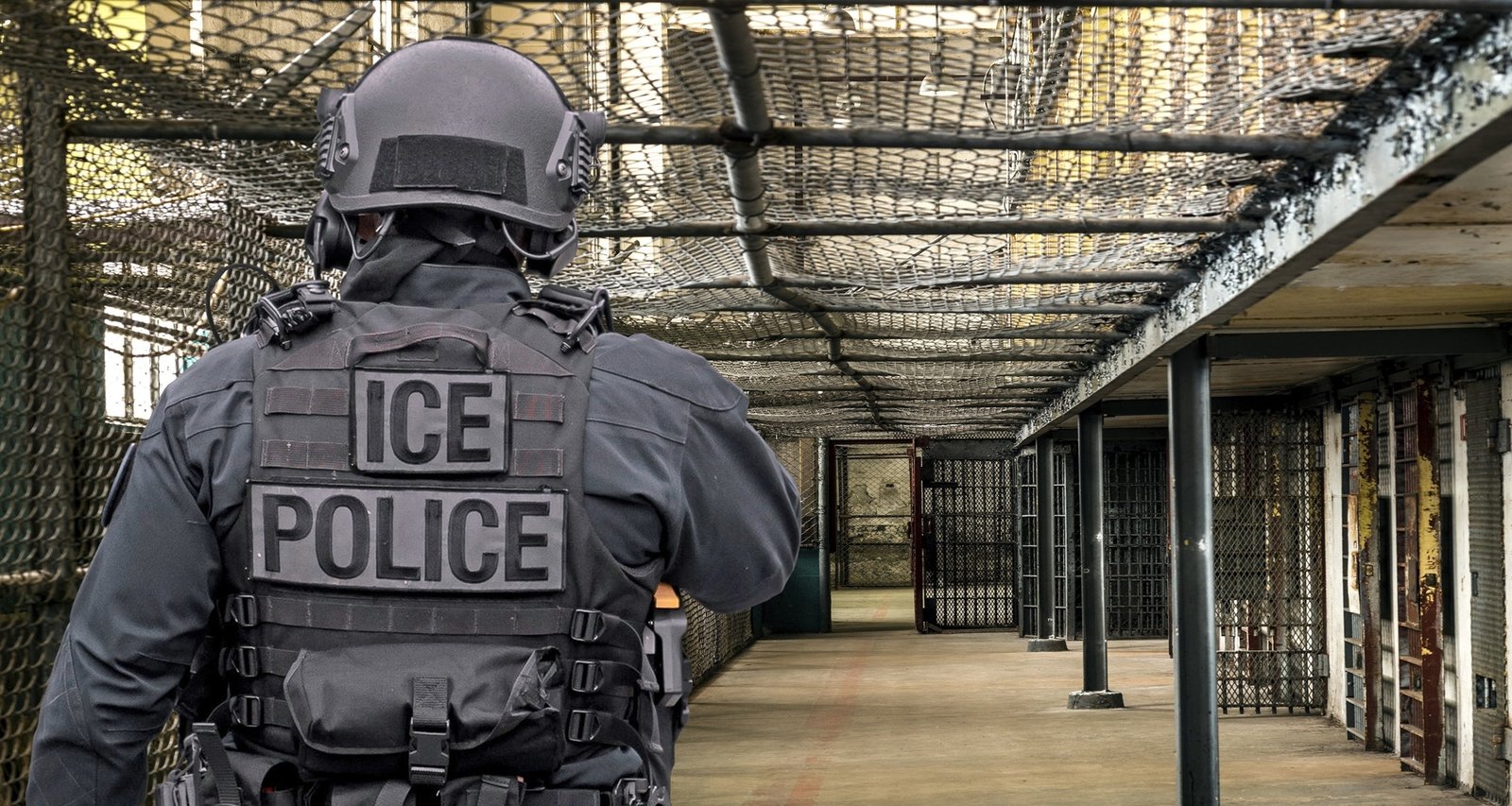
Imagem: Internet
Elsewhere, some sheriffs and police chiefs indicated they would follow normal protocols when encountering federal officers. While jurisdictions differ on whether to honor ICE detainers, several departments said they plan to provide basic logistical assistance if requested, such as traffic control near arrest scenes, but will not participate directly in immigration enforcement.
Context of a broader federal campaign
“Operation Catch of the Day” represents the latest chapter in a series of targeted efforts by DHS to apprehend non-citizens with criminal histories. The wider campaign expanded last year to several metropolitan areas and university campuses amid ongoing protests about immigration policy. Earlier this month, DHS announced that individuals who opt for voluntary departure could receive a self-deportation stipend of up to $2,600, doubling the previous amount.
For background on DHS enforcement priorities, the department’s official policy summary is available on the DHS website, which outlines categories of removable non-citizens and operational guidelines.
Immigration advocates in Maine contend that aggressive federal interventions may discourage undocumented residents from reporting crimes or seeking social services. Conversely, supporters of the crackdown maintain that removing individuals with violent records enhances community safety.
Next steps remain uncertain
DHS officials have not provided a public timeline for concluding the Maine operation. The agency often reassesses resource deployment based on arrest numbers, new intelligence and cooperation from state and local counterparts. In some previous operations, personnel remained in place for several weeks before relocating to the next targeted jurisdiction.
Governor Mills said state agencies will continue to gather information and “protect the safety and rights of the people of Maine” while federal activity continues. Her office added that updates will be shared with local governments as soon as verified details become available.
Crédito da imagem: Douglas Rissing/Getty Images


