Impact on travelers
The timing coincides with heavy winter weather and the approach of spring break, two factors likely to magnify delays. A major storm has already led airlines to cancel more than 5,000 flights nationwide, stranding passengers who will need to rebook once conditions improve. When those flights resume, the lack of PreCheck and Global Entry lanes is expected to slow passenger throughput at security checkpoints and immigration desks.
Airports experiencing the highest passenger volumes—such as Hartsfield-Jackson in Atlanta, Chicago O’Hare, Denver International and Los Angeles International—could see wait times extend beyond the busiest periods recorded last year. TSA typically screens about 2.3 million passengers on an average winter day; that number can climb above 2.8 million during holidays and school breaks.
Customs officials will also suspend Global Entry kiosks at 75 domestic airports and 15 pre-clearance locations overseas. International travelers who previously spent a few minutes at an automated kiosk will be processed in conventional lines alongside non-enrolled passengers.
Broader shutdown effects
The pause stems from a partial government shutdown that began when lawmakers failed to pass a full-year appropriations bill for DHS. While the department can continue essential national security operations, discretionary activities such as expedited screening require dedicated appropriations. TSA officers, Border Patrol agents and immigration inspectors remain on duty without pay under “excepted” status.
The Federal Emergency Management Agency, another DHS component, will simultaneously stop most non-disaster response activities to concentrate on emergencies related to the ongoing winter storm. Essential life-saving and property-protecting missions will continue, but community preparedness grants, long-term mitigation projects and training exercises are suspended.
An overview of how DHS programs are funded is available through the Congressional Research Service’s analysis of recent appropriations legislation, which outlines the difference between mandatory and discretionary spending in homeland security operations.
Political reaction
Negotiations on Capitol Hill have stalled over immigration enforcement language tied to Immigration and Customs Enforcement (ICE) detention capacity. House and Senate leaders from both parties have traded proposals, but no compromise has reached the floor. Without a resolution, the shutdown could extend into next month.
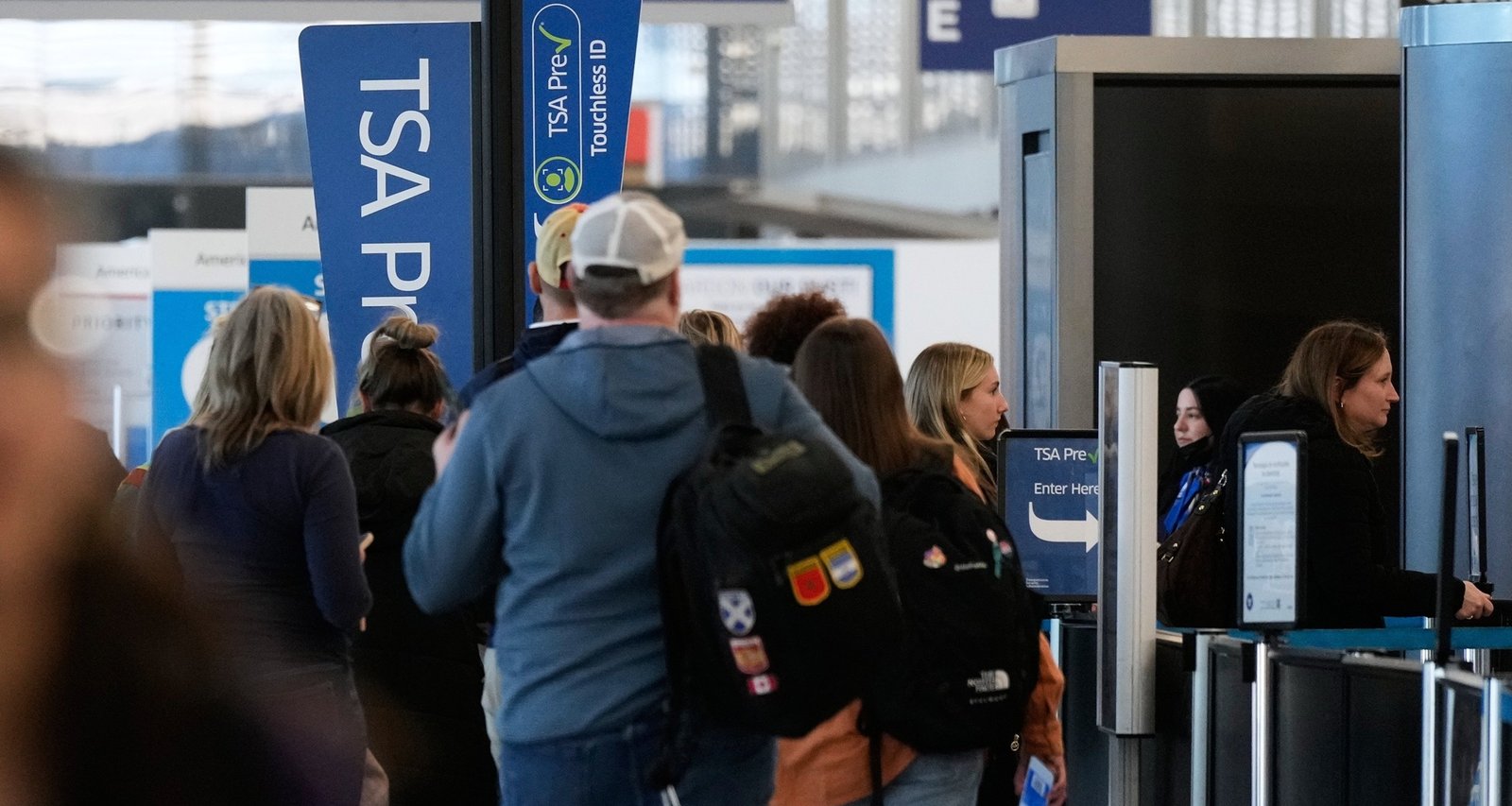
Imagem: Internet
Representative Bennie Thompson of Mississippi, the ranking Democrat on the House Homeland Security Committee, criticized the decision, arguing that suspending expedited screening will create unnecessary hardship for travelers and employees already working without pay. He characterized the move as a tactic to pressure Congress and the White House.
Industry stakeholders also voiced concern. U.S. Travel Association, which represents airlines, hotels and tourism businesses, posted on X that travelers’ mobility “should not be leveraged” during budget disputes. The group warned that prolonged disruptions could reduce travel spending and slow the broader economy, which relies heavily on passenger throughput and tourism revenue.
Operational considerations
TSA field offices are preparing contingency schedules that reassign PreCheck-trained officers to standard lanes. Checkpoint managers will monitor lane utilization throughout the day and may adjust staffing dynamically, a DHS official said. The agency also plans to expand canine teams and increase random physical bag inspections to maintain security effectiveness despite larger crowds.
CBP is redistributing Global Entry officers to primary inspection booths and secondary screening areas. Officers trained in agricultural inspection, currency detection and contraband interdiction will remain in place to enforce customs regulations. Meanwhile, kiosks used for Global Entry, Mobile Passport and other expedited services will be shut down or repurposed for standard traveler processing.
Airlines have begun notifying frequent-flier members enrolled in the programs about possible delays. Carriers are advising passengers to arrive at least two hours before domestic departures and three hours before international flights until operations normalize. Airport authorities are updating digital signage and mobile applications to reflect revised wait-time estimates.
Next steps
DHS has not provided a timeline for reinstating the programs, stating only that service will resume once lawmakers approve sufficient funding. Observers note that if Congress passes a short-term continuing resolution, TSA PreCheck and Global Entry could restart within 48 hours, provided personnel can be reassigned quickly.
In the longer term, DHS plans to continue expanding enrollment centers and modernizing technology for both programs. CBP’s facial comparison system, which automates identity verification for Global Entry members, is slated for additional airports later this year, pending budget availability.
Crédito da imagem: Nam Y. Huh / AP


