The strategy echoes capital-return programs implemented by other large-cap companies that prioritized buybacks over dividend increases. Apple Inc., for example, has cut its diluted share count by nearly one-third during the past decade while its market value rose sharply. According to data filed with the U.S. Securities and Exchange Commission, Apple spent more than $90 billion on repurchases in fiscal 2025 alone, reducing shares outstanding by about 2.6 percent that year. Disney’s planned reduction, if completed as projected, would exceed Apple’s most recent percentage decrease despite Disney spending a far smaller absolute amount.
Investors greeted the first-quarter numbers with caution, driving Disney shares lower after the report. While most operating metrics met or slightly exceeded expectations, growth in the company’s streaming video on demand service decelerated. In contrast, the legacy linear networks segment, still heavily dependent on cable subscriptions, continued its multi-year decline. The sports division, anchored by ESPN and also reliant on cable carriage fees, posted weaker results as well.
Offsetting those headwinds, the experiences segment—comprising theme parks, resorts, and a rapidly expanding cruise business—remained a significant cash generator. Strong attendance at domestic parks and higher per-guest spending contributed to the segment’s operating income, helping fund the broader company’s capital allocation priorities, including the new repurchase authorization.
Disney enters the fiscal year with a forward price-to-earnings ratio of roughly 15.7, a valuation some analysts consider inexpensive relative to the company’s historical average and to many large entertainment peers. By choosing to allocate excess cash primarily toward buybacks rather than materially increasing its dividend, management is effectively signaling confidence that retiring shares at the current valuation will enhance long-term shareholder returns.
The leadership transition adds another variable for market participants. Josh D’Amaro, previously chairman of Disney Experiences, will assume the chief executive role on March 18. His predecessor, Bob Iger, returned to the post on an interim basis in late 2022 after previously leading the company for 15 years. D’Amaro’s familiarity with the high-margin theme parks and cruise operations may reinforce Disney’s focus on cash-producing experiential assets while the company navigates competitive pressures in streaming and the ongoing erosion of traditional television.
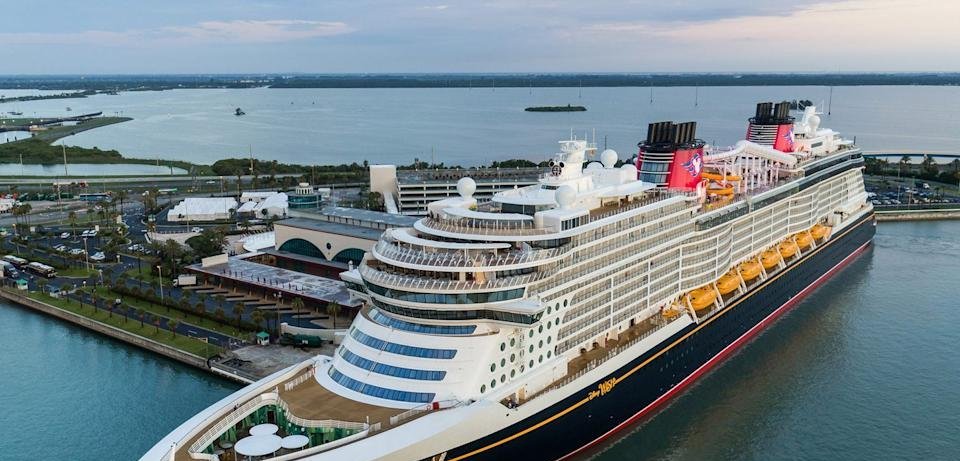
Imagem: Internet
Longer-term, Disney faces strategic choices regarding its sports holdings. ESPN’s profitability remains tethered to the pay-TV bundle, yet cord-cutting continues to accelerate. Management did not announce major changes to ESPN’s distribution model in the earnings release, but industry speculation persists about a potential shift toward direct-to-consumer offerings or partnerships that could diminish exposure to cable subscriptions.
Meanwhile, the outlook for Disney’s streaming platforms hinges on subscriber retention and pricing discipline. The first-quarter report showed slowing net additions, suggesting the service is approaching saturation in several key markets. Executives reiterated a commitment to achieving profitability in the streaming unit, though they also acknowledged the challenging competitive landscape as rivals invest heavily in original content.
Despite those challenges, the scale of the planned share repurchase underscores the company’s ability to self-fund sizable capital-return initiatives. The projected $10 billion in free cash flow, in combination with moderate leverage, provides flexibility even if certain segments underperform. Management left fiscal-year earnings guidance unchanged, indicating confidence in the balance of headwinds and growth drivers identified during the quarter.
Disney last executed a buyback plan of comparable magnitude in fiscal 2017. At that time, the market environment and the company’s operational mix differed significantly; streaming was a nascent business for Disney, and the Fox acquisition had not yet been announced. The decision to match near-record repurchase levels in 2026, despite a more complex media landscape, suggests management views share retirement as an attractive deployment of capital relative to potential mergers, acquisitions, or rapid dividend expansion.
Market reaction in the weeks following the earnings release may offer additional insight into investor sentiment regarding the repurchase announcement and the forthcoming leadership change. For now, the data imply that Disney’s board and senior executives consider the share price undervalued and believe a reduced share count will magnify the per-share benefit of any future earnings growth.
Crédito da imagem: Walt Disney


