Historical backdrop
Between 1933 and 1945, an estimated six million Jews were murdered under the Nazi regime and its allies. The scope of the genocide is documented extensively by institutions such as the United States Holocaust Memorial Museum, which preserves survivor testimonies and archival records. For families like the Turks, the widespread displacement and destruction left generational gaps that often seemed impossible to bridge.
Confirming the connection
Among Turk’s closest DNA matches was 73-year-old Raanan Gidron, an Israeli engineer who had independently been mapping his own family tree. The two are second cousins, sharing the same set of great-grandparents. MyHeritage staff facilitated an introductory video call last week, during which the cousins compared family lore, photographs and documents. They quickly confirmed that Gidron’s father had exchanged at least one letter with John Hans Turk decades earlier, though correspondence apparently ceased and the families lost touch.
Gidron also discovered that he and his relatives once visited the grave of Turk’s grandfather, Julian Turk, unaware of the surviving branch in Australasia. Both cousins described the virtual reunion as a pivotal moment that replaced decades of uncertainty with concrete relationships.
Plans for an in-person reunion
Buoyed by the discovery, Turk intends to travel to Europe for the first time during the northern-hemisphere summer. Her itinerary includes her father’s hometown in Germany, meetings with multiple newly identified cousins and a possible stop in Israel at Gidron’s invitation. Gidron said he expects to join her in Germany and accompany her to family sites of historical importance.
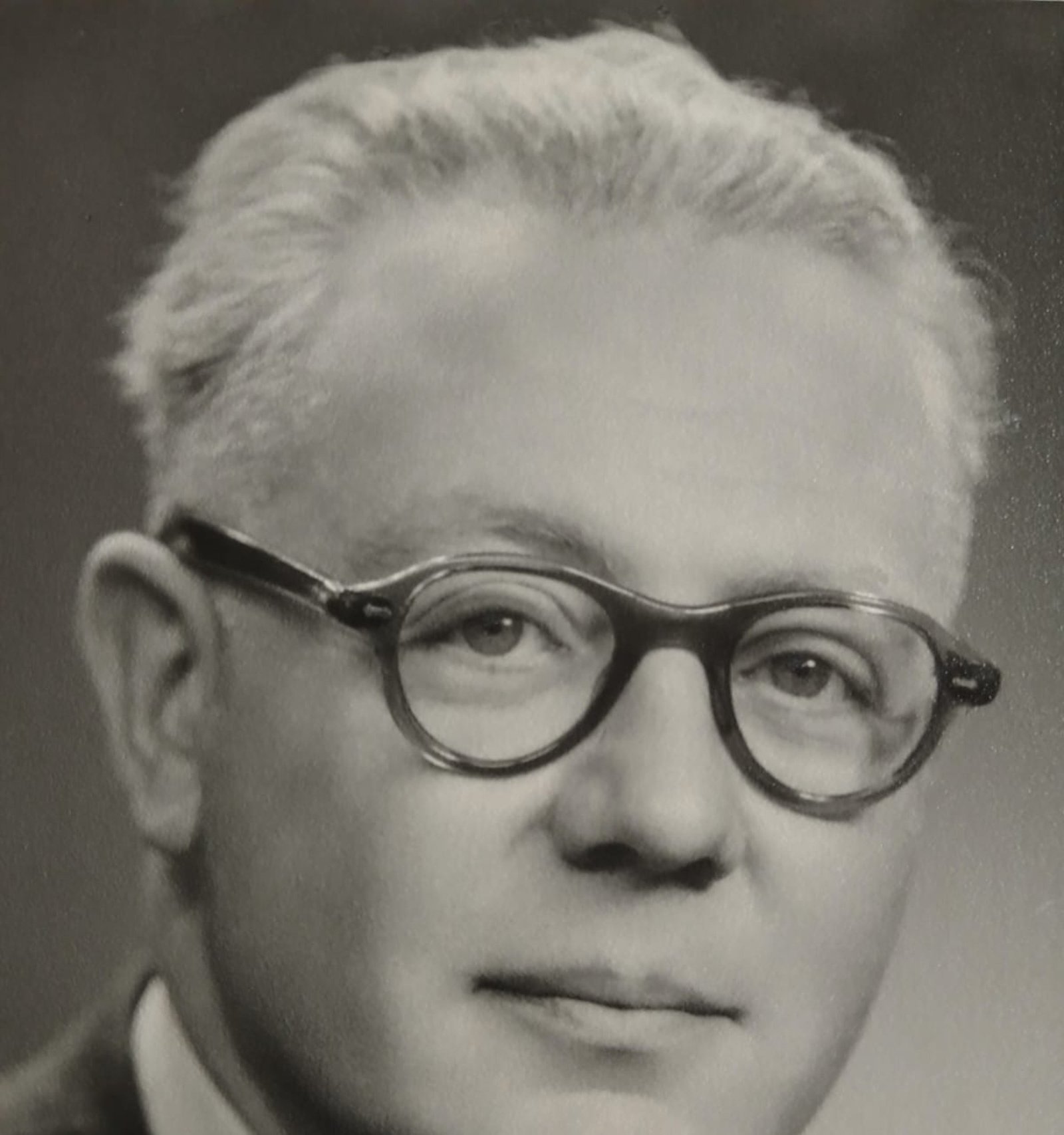
Imagem: Internet
Marking Holocaust Remembrance Day
The renewed family ties coincided with International Holocaust Remembrance Day, observed annually on 27 January, the anniversary of the 1945 liberation of the Auschwitz-Birkenau concentration camp. Gidron used the occasion to emphasize the importance of preserving historical memory and combating denial. For Turk, the timing underscored both the losses suffered by previous generations and the resilience reflected in her family’s unexpected survival.
Impact of modern genealogy tools
Turk’s experience highlights the increasing role of consumer DNA testing in resolving longstanding historical questions. Genealogy platforms routinely match users with distant cousins, but cases involving families dispersed by war and genocide carry particular emotional weight. By combining genetic information with archival records and user-built family trees, such services can reestablish links once thought irrevocably severed.
In Turk’s case, the process has already produced a network of emails, photographs and planned visits. She describes feeling embraced by relatives who, moments earlier, were complete strangers. Although the late John Hans Turk never witnessed these reunions, his daughter views the discovery as a final, irreplaceable piece of her family’s narrative.
Crédito da imagem: MyHeritage