The dispute over the grand-jury process is pivotal to the defense strategy. Comey’s attorney, Michael Dreeben, argued Wednesday that any procedural flaw—especially one acknowledged by prosecutors—requires the indictment to be dismissed outright. Judge Nachmanoff has taken those arguments under advisement but has not yet indicated when he will rule.
Comey was charged in September with two counts of allegedly lying to Congress about his handling of classified information. He pleaded not guilty at his initial appearance. The charges were brought after former President Donald Trump removed U.S. Attorney Erik Siebert and selected Halligan, previously a White House staff lawyer with no prior prosecutorial record, to lead the Alexandria office. The personnel change followed public statements in which Trump urged Attorney General Pam Bondi to “act NOW!!!” against Comey, New York Attorney General Letitia James and Rep. Adam Schiff.
Dreeben contends that the personnel shake-up and Trump’s public demands amount to political interference. During Wednesday’s hearing, he told the court the former president was “manipulating the machinery of prosecution” in a manner that violates constitutional safeguards.
Judge Nachmanoff probed that claim, asking whether the defense believed Halligan was functioning as a “puppet” or “stalking horse” for Trump. Dreeben replied that he would not use such terms but maintained Halligan “did what she was told to do.” Lemons, speaking for the government, rejected the characterization outright.
After the session, Halligan issued a statement to the New York Post asserting that Nachmanoff had personally labeled her a “puppet,” a description not borne out by the court transcript. DOJ spokesperson Chad Gilmartin amplified the complaint on the social-media platform X, writing that the judge “launched an outrageous and unprofessional personal attack.” The posting added that the department “will continue to follow the facts and the law.”
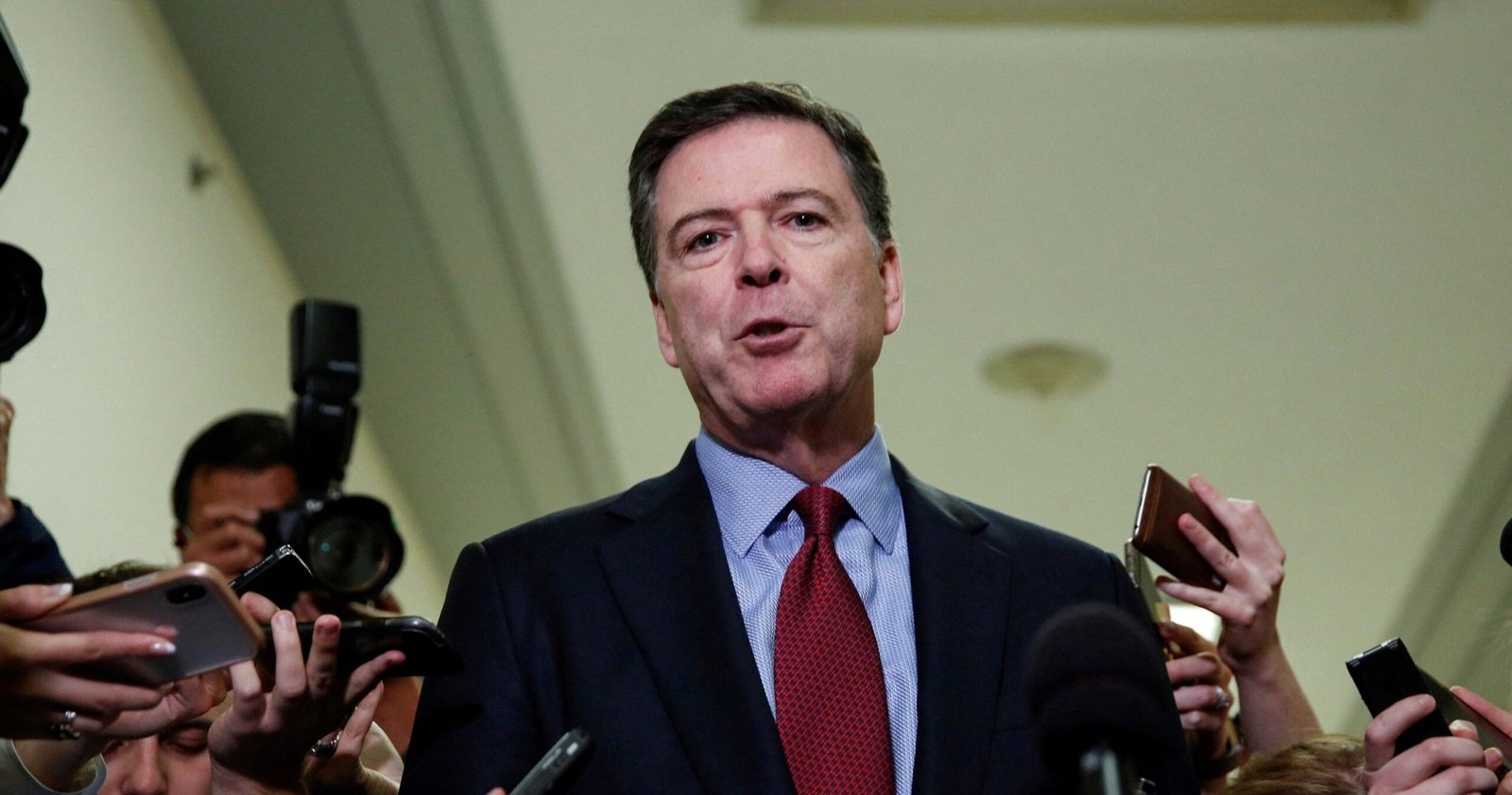
Imagem: Internet
Legal analysts note that disputes over grand-jury procedure are not uncommon, but outright reversals by prosecutors can carry consequences. Under Federal Rule of Criminal Procedure 6, only grand-jurors who actually vote on an indictment may determine whether a case proceeds, and any material deviation can expose an indictment to dismissal.
Thursday’s filing does not explain why Halligan and Lemons previously told the court the grand jury had not reviewed the final document, nor does it address whether any office policies were breached. The government instead asks Nachmanoff to deny the defense motion, stressing that the full panel’s approval “eliminates any conceivable prejudice” to the defendant.
Comey’s team has until early December to respond. Should the judge dismiss the case, prosecutors could seek a new indictment, appeal the decision or abandon the matter entirely. If the case survives, pretrial motions on other issues, including alleged political interference, are scheduled to follow.
The controversy arrives as the Justice Department and the FBI reportedly examine prior investigations targeting Trump’s perceived opponents, according to individuals familiar with the inquiries. While those reviews proceed separately, they underscore the heightened scrutiny surrounding politically sensitive prosecutions.
For now, all parties await Judge Nachmanoff’s ruling on whether the indictment—now confirmed by the government as having been endorsed by the full grand jury—will stand.
Crédito da imagem: Joshua Roberts / Reuters


