Declarations cite privilege
Deputy Attorney General Todd Blanche and Emil Bove, a senior DOJ official in March who has since been appointed to the U.S. Court of Appeals, both submitted sworn statements asserting they could not disclose the advice they conveyed to Noem.
“DOJ has not authorized me to disclose privileged information in this declaration,” Bove wrote. Blanche echoed that position, stating that any further detail would intrude on protected internal deliberations.
Noem, in her own declaration, confirmed she made the final call to proceed with the removals after consulting both DOJ leadership and Joseph Mazarra, the acting general counsel at the Department of Homeland Security (DHS). Mazarra told the court he had reviewed Boasberg’s order and concluded that all detainees “had been removed from the United States before this Court issued any order (or oral statement regarding their removal).”
Scope of the deportations
According to government figures in the filings, 238 individuals were flown to El Salvador on March 15. The administration identified them as suspected members of the Venezuelan criminal group Tren de Aragua and, to a lesser extent, Mara Salvatrucha (MS-13); 23 of the detainees were alleged MS-13 affiliates. The migrants were transferred to the CECOT mega-prison, a facility earmarked for alleged gang members by Salvadoran authorities.
The Justice Department has argued that Tren de Aragua operates as a “hybrid criminal state,” invoking the AEA’s wartime provisions to justify expedited removal with minimal judicial review. Legal advocates dispute both the characterization of the migrants and the applicability of an eighteenth-century statute to modern immigration enforcement. An overview of the Alien Enemies Act can be found at the Congressional Research Service.
Contempt questions advance
Judge Boasberg initially found the administration likely acted in contempt for proceeding with the flights, but that determination was paused when the U.S. Court of Appeals issued an emergency stay. Last month, the appellate court declined to reinstate Boasberg’s restraining order yet allowed him to continue gathering facts to decide whether a referral for contempt is warranted.
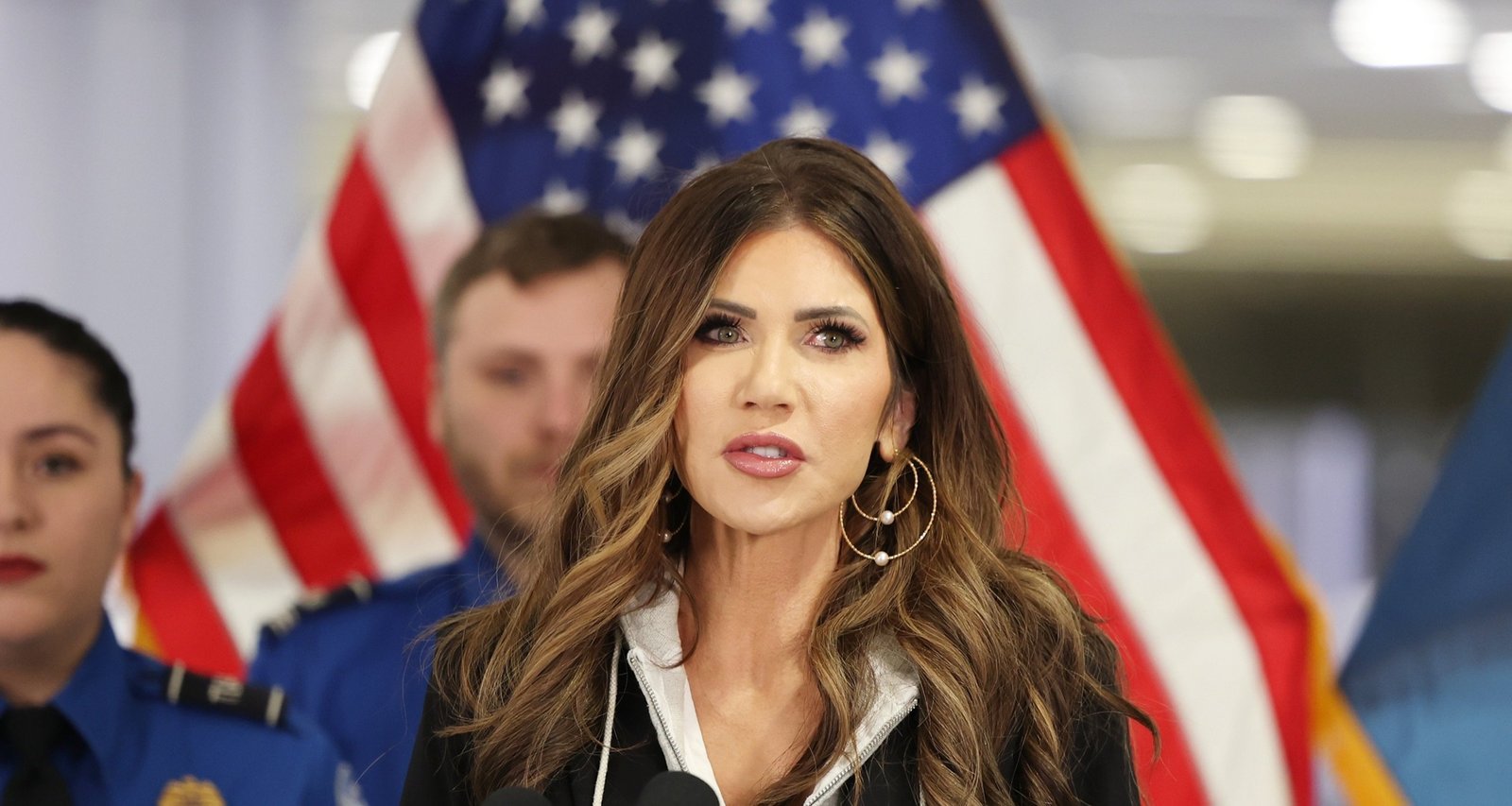
Imagem: Internet
In a separate brief on Friday, DOJ attorneys argued that compelling testimony from Blanche, Bove or Mazarra before any referral would be “prejudicial and constitutionally improper.” They told the court that the declarations already supply sufficient information for Boasberg to reach a decision and that further probing would raise privilege and separation-of-powers concerns.
Lee Gelernt, lead counsel for the American Civil Liberties Union in the underlying lawsuit, said in a statement that the administration “is again refusing to cooperate with a federal court.” The ACLU contends the plaintiffs were denied due process and wrongfully labeled as national-security threats.
Timeline of events
• March 15, 2025 – During a hearing in Washington, D.C., Judge Boasberg instructs that two DHS charter flights transporting Venezuelan detainees to El Salvador be turned around while he considers a temporary restraining order.
• Same day – DHS proceeds with the removals. DOJ later says Boasberg’s oral instruction was defective.
• March 16 – Salvadoran authorities confirm receipt of 238 detainees at the CECOT facility.
• April-October – Boasberg’s contempt finding is stayed by the Court of Appeals.
• November 2025 – Appeals court allows the district court’s fact-finding inquiry to resume.
• December 5, 2025 – DOJ submits declarations declining to reveal privileged legal advice.
Boasberg has not indicated when he will decide whether to certify a contempt referral to the U.S. Attorney’s Office. If he does, the Justice Department would then have to determine whether to pursue charges against its own Cabinet-level official. Noem and DHS maintain that all actions were lawful under the AEA and executed before any enforceable court order took effect.
For now, the legal standoff highlights the tension between emergency executive actions on immigration and judicial oversight. The dispute also underscores how the centuries-old Alien Enemies Act, rarely invoked in modern times, has become a focal point of litigation over deportation power.
Crédito da imagem: Ronda Churchill / AP


