Industry analysts estimate that once the department rescinds the 10 percent cap, airlines will need several additional days to reposition crews and aircraft before schedules fully normalize. During that adjustment period, passengers could continue to encounter residual delays, missed connections, and limited seat availability.
Payment timeline for air traffic controllers
Under the department’s contingency plan, controllers are slated to receive 70 percent of back pay within 24 to 48 hours after the shutdown officially ends. The balance is expected to reach employees within a week of the government’s reopening. Duffy cautioned that failure by the House of Representatives to vote on a funding bill this week could trigger “massive disruptions” as early as the upcoming weekend, underscoring the time-sensitive nature of the legislative process.
Current impact on travelers
Airlines canceled more than 1,200 additional flights on Tuesday, piling onto the multiday total and leaving airports across the country managing crowded terminals and rebooking backlogs. Weather continues to hamper operations in several regions, compounding the staffing shortfall. Carriers have urged passengers to verify departure times before heading to the airport and to consider alternate routing when possible.
The Transportation Department reiterated federal rules that govern customer rights when flights do not operate as scheduled. If a carrier cancels a flight and the traveler opts not to rebook, the customer is entitled to a full cash refund. By contrast, if the flight proceeds and the traveler voluntarily cancels, most standard economy tickets qualify only for a credit toward future travel.
Consumer advocates recommend booking directly through airline websites to simplify cancelations or changes. They also advise downloading the carrier’s mobile application for real-time notifications and selecting early-morning departures, which historically encounter fewer cascading delays and offer greater same-day rebooking options.
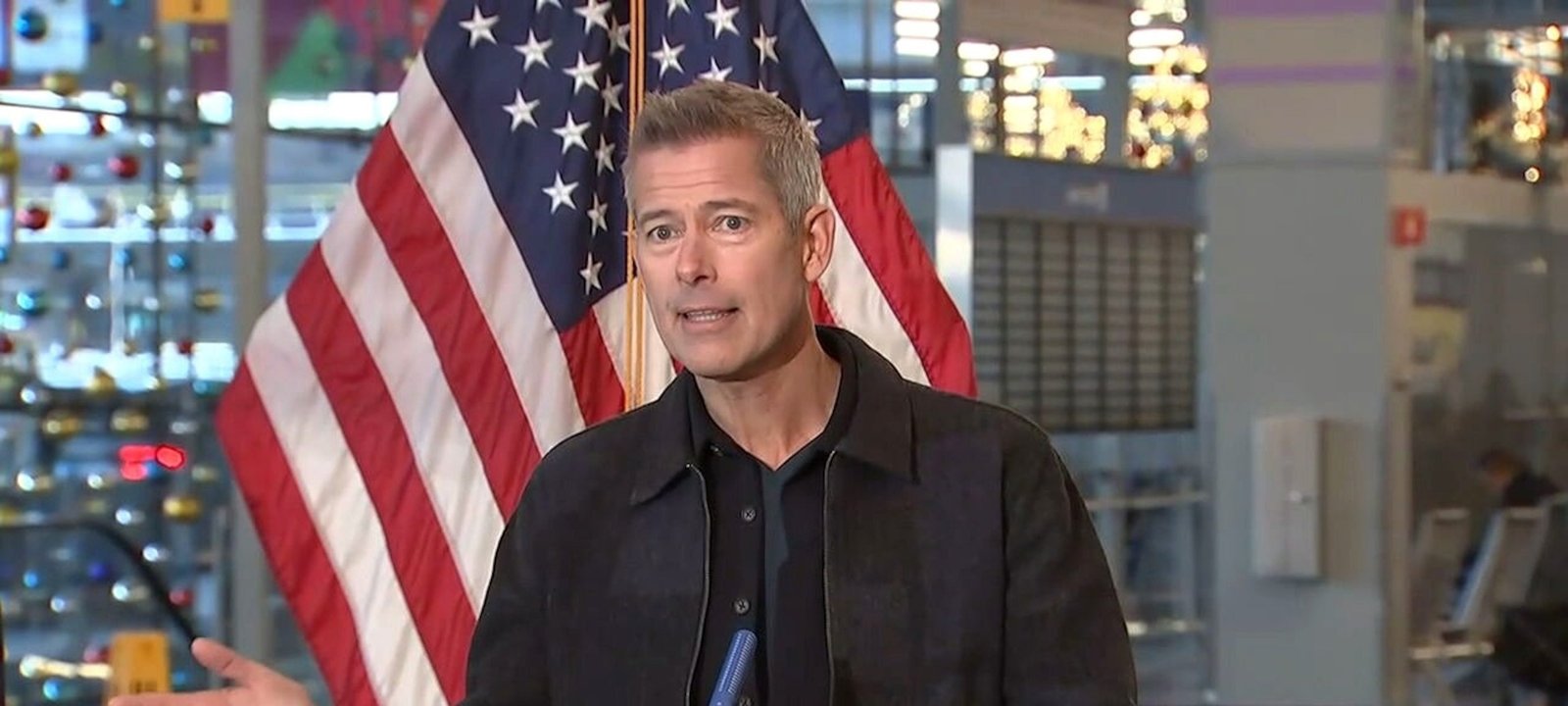
Imagem: Internet
Operational outlook
The next several days are pivotal for an aviation system already strained by winter weather and peak holiday demand. While the uptick in controller attendance has eased some pressure, the planned 10 percent flight reduction is expected to tighten seat inventories and extend connection times at major hubs. Airport officials are preparing for longer security lines and advising travelers to arrive earlier than usual.
Airlines are adjusting fleets and crew assignments to align with the new capacity limits. Network planners must also account for crew duty-time rules, aircraft maintenance schedules, and gate availability when restoring normal operations. Analysts note that even after government payroll is restored, a backlog of training and certification activities for new controllers could delay a full return to pre-shutdown efficiency.
Legislative activity on Capitol Hill will determine whether the current momentum toward reopening the government translates into sustained operational relief. Duffy said he remains “very hopeful” that lawmakers will act swiftly, but he emphasized that the transportation network requires predictable funding to maintain safety margins and customer confidence.
For now, passengers with flexibility are encouraged to monitor flight status frequently, consider travel insurance where appropriate, and remain alert to further updates from airlines and the Transportation Department.
Crédito da imagem: WLS


