Across the Atlantic, New York City prepared for its signature midnight ball drop in Times Square. City agencies detailed security layers and crowd-management plans in advance of the event, measures emphasized in media segments covering “heightened security in NYC ahead of New Year’s Eve celebrations.” A separate video feed presented a live view of the Empire State Building, another symbol frequently used to mark seasonal milestones. Officials said the combination of security screenings, street closures, and a visible police presence was intended to ensure that tens of thousands of on-site spectators could follow the countdown without incident.
Elsewhere in the United States, Chicago’s mayor issued remarks on planned events in that city, while reporters assembled roundups of “best New Year’s Eve moments” from multiple locations. New Orleans paused during the holiday to observe the first anniversary of a Bourbon Street attack, an acknowledgment that commemoration and celebration often share the same date. At the same time, regional meteorologists warned of “wicked weather” in parts of the country, reminding travelers that conditions could shift quickly as winter systems moved east.
Outside the realm of festivities, several unrelated developments coincided with the holiday period. A “deadly New Year’s Day fire in Switzerland” was among the most serious incidents reported. Although details remained limited, the description confirmed at least one fatality and prompted local authorities to begin an investigation into the cause of the blaze.
International security also drew attention after U.S. forces “struck three vessels” and initiated a search-and-rescue operation for survivors. Military officials did not immediately release additional information, but the timing of the action placed it on the same day that many countries were turning their focus to domestic celebrations.
Political events continued despite the holiday. A “mayoral inauguration for Zohran Mamdani” was held on New Year’s Day, adding a constitutional milestone to the list of 1 January ceremonies. Meanwhile, Queen Camilla used a public appearance to revisit a topic of personal importance, recalling a 1960s assault while campaigning against domestic violence, according to a separate video package.
Economic themes entered the coverage as well. Reports noted that “higher healthcare costs” were scheduled to take effect at the start of the year, and analysts discussing an “end-of-year economic reality check” pointed to falling mortgage rates as a potential source of relief for prospective homebuyers. Consumer behavior, measured through holiday shopping totals, was also examined for clues about broader market sentiment. For background on long-term housing data, the Federal Reserve provides periodic updates on mortgage trends (Federal Reserve).
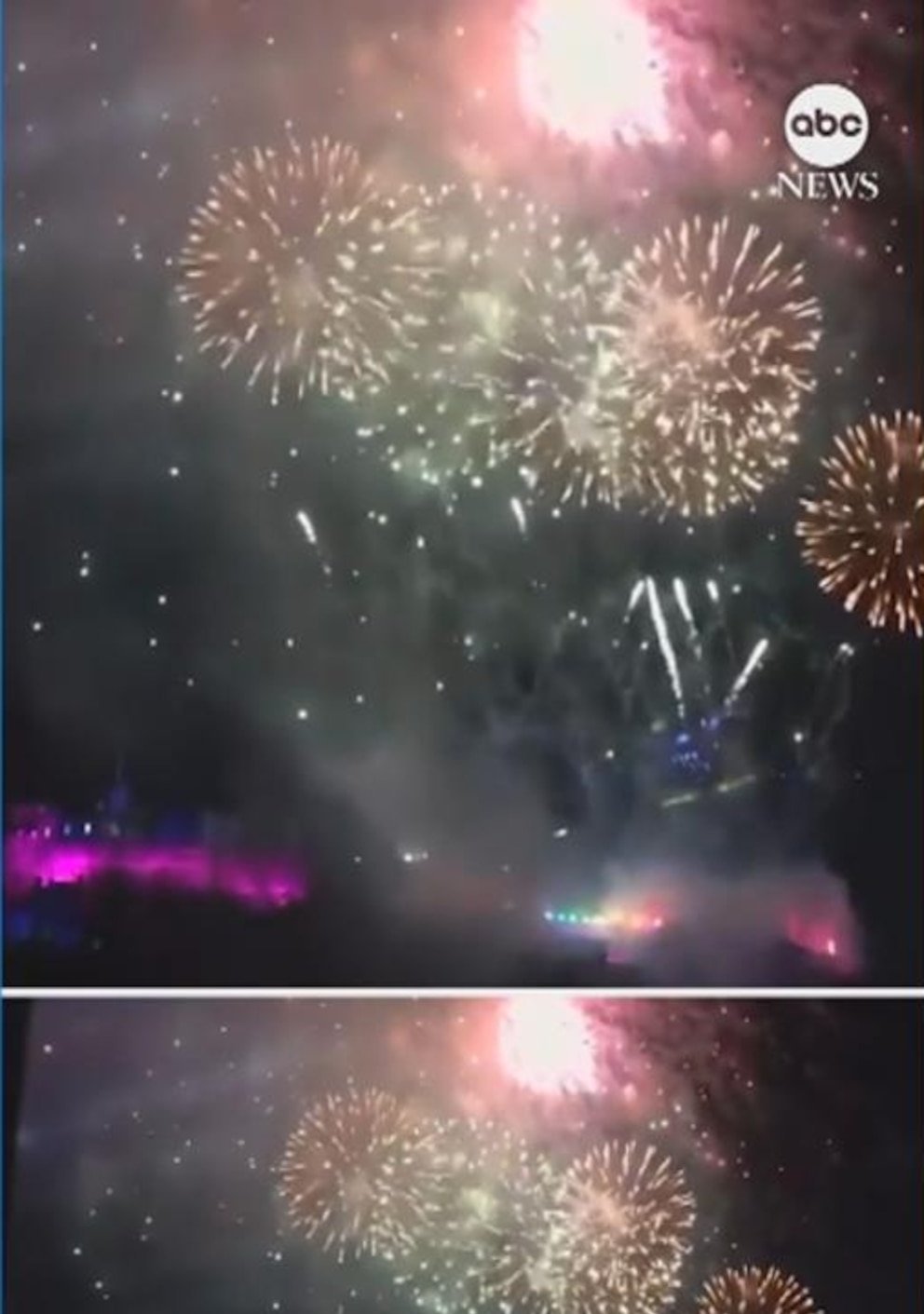
Imagem: Internet
Public health experts highlighted an expected spike in emergency-room visits between Christmas and the first week of January. In separate commentary, medical professionals cited seasonal flu figures described as “alarming,” reinforcing annual appeals for vaccination and preventive measures as winter progresses.
The realm of sports and entertainment registered developments of its own. A second New England Patriots player faced an assault charge, continuing a legal narrative that began late in the NFL season. Music icon Diana Ross was announced as a headliner for a televised New Year’s program, and actor Isiah Whitlock Jr., known for roles in “The Wire” and several Spike Lee films, died at age 71, according to on-air tributes.
Authorities and service providers used the holiday horizon to introduce new regulatory and logistical guidelines. The United States Postal Service outlined “new postmark rules,” while financial advisers circulated tips on “how to set yourself up for success in 2026.” Observers noted that the overlap of policy shifts with the holiday schedule required organizations to balance customer communication with shortened business hours.
Throughout the 24-hour window, broadcasters maintained live feeds under the banner “New Year’s 2026: Celebrations around the world,” switching between time zones as midnight advanced. The rotation provided a composite view of landmark fireworks, smaller community gatherings, and occasional disruptions, delivering a snapshot of how diverse populations recognize the same chronological threshold.
From the first fireworks over Edinburgh Castle to the final countdowns in the Americas, the collection of images and reports underscored the dual nature of New Year’s Day: a moment of shared celebration and a reminder that routine news—whether weather alerts, policy changes, or emergency incidents—continues regardless of the date.
Crédito da imagem: ABC News Live


