The dispute emerges as the Justice Department faces a court-ordered deadline of Dec. 19 to make public hundreds of thousands of pages linked to the late financier. That release is mandated by the Epstein Files Transparency Act, which Congress approved on Nov. 18 by a 427-1 vote. The measure requires broad disclosure of investigative materials while directing the government to safeguard personal data for victims and witnesses.
Requests for Immediate Court Action
Edwards and Henderson asked Judge Berman to compel the DOJ to establish a comprehensive review process before any further disclosures. Specifically, they requested:
- A detailed inventory of the documents the DOJ plans to release.
- An explanation of the redaction protocols the government intends to use.
- An opportunity for victims’ counsel to supply a verified list of names that must be withheld.
Citing a July statement in which the Justice Department acknowledged that Epstein harmed “over one thousand” victims, the lawyers questioned whether all those individuals have been identified internally. They warned that without clear procedures, sensitive information could again be exposed to the public.
Judge Berman responded the same day, ordering prosecutors to deliver by noon on Dec. 1 a “detailed description” of both the materials slated for release and the privacy measures the government will apply. Failure to comply, he indicated, could delay the broader release of records required under the new law.
Scope of the Anticipated Release
In a separate filing, U.S. Attorney Jay Clayton outlined categories of material the department expects to unveil. They include:
- Notes and memoranda from witness interviews
- Search-warrant applications
- Financial and travel records
- Returns on grand jury subpoenas
- School files
- Documents obtained from the Epstein estate
- Various law-enforcement reports
Clayton also told the court that prosecutors would “confer with counsel for known victims” to confirm names and terms requiring redaction.
Grand Jury Materials Under Debate
Beyond the upcoming December release, the Justice Department has asked federal judges in New York and Florida to authorize disclosure of grand jury transcripts and exhibits from earlier cases against Epstein and his onetime associate Ghislaine Maxwell. Grand jury information is typically confidential, and prior requests were denied before the transparency law’s passage.
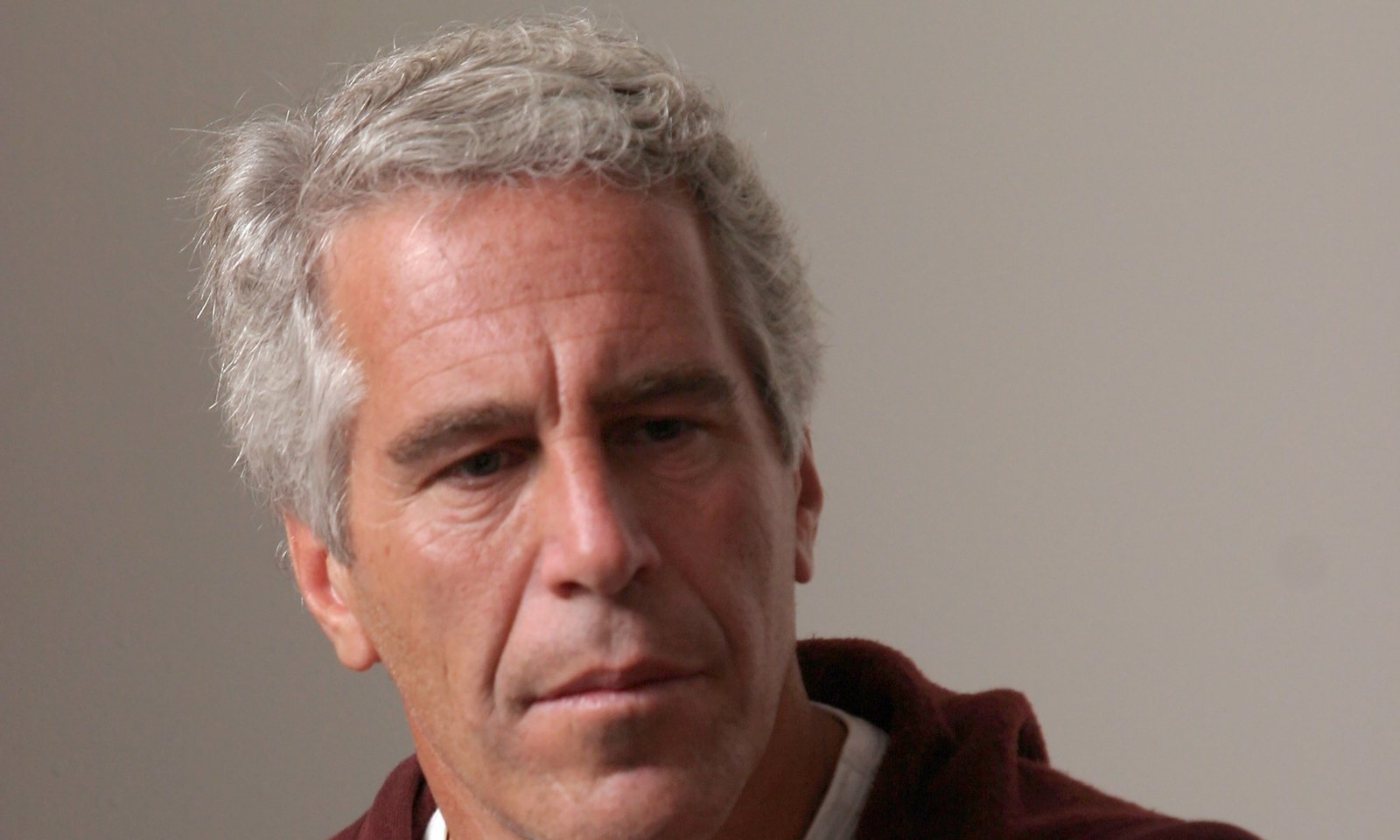
Imagem: Internet
Edwards and Henderson contend that the grand jury records represent a small and “largely irrelevant” subset compared with the vast cache already held by DOJ investigators. They argue that focusing on those materials risks diverting attention from the more immediate task of shielding victim identities contained in other files.
Victims Describe Emotional Toll
In declarations attached to the filing, several women said learning that their names had circulated unredacted online left them sleepless and fearful. One survivor wrote that she was “unable to mentally and emotionally function,” while another said she could not understand why her identity had been exposed again after prior assurances from the government.
The attorneys further asserted that victims have struggled to reach Justice Department officials to ensure mistakes are not repeated. They asked the court to facilitate direct communication between their clients and prosecutors responsible for the document review.
Context of the Oversight Committee Release
The controversy stems from files provided by the DOJ to the House Oversight Committee, which then posted the material on its web portal earlier this month. Committee staff removed certain personal data, but dozens of victim names remained visible until outside parties flagged the omissions. Congressional aides have not publicly detailed their redaction process.
The incident echoes earlier privacy breaches tied to the Epstein investigation, including partial leaks of police reports and civil litigation papers over the past decade. Legal scholars note that federal privacy law imposes special obligations on agencies handling information about minors and sexual-assault survivors. An overview of those requirements is available from the Office on Violence Against Women, a division of the DOJ that sets best practices for victim protection.
While the Justice Department prepares its response to Judge Berman, Edwards and Henderson say they will continue to monitor any public releases for additional privacy lapses. They warned that further errors could prompt renewed litigation or requests for court sanctions.
Under the Epstein Files Transparency Act, the DOJ remains obligated to publish the remaining documents by the Dec. 19 deadline unless the court intervenes. How the department balances that mandate with its duty to protect victims’ identities is now at the center of the case.
Crédito da imagem: Rick Friedman/Corbis via Getty Images


