Since the site went live, the lawyers say they have been in near-constant contact with DOJ personnel, alerting them to unredacted names and personal data. They report that on Jan. 30 the frequency of errors spiked, with thousands of privacy breaches affecting nearly 100 survivors in a single 48-hour period. Examples cited in the letter include Federal Bureau of Investigation interview summaries that reveal the full names of victims who were minors at the time of their abuse, as well as documents showing bank information and residential addresses. One email released by the department allegedly listed 32 minor victims, only one of whom was censored.
The attorneys say these disclosures have upended lives. Women who had never publicly identified themselves as victims now face media inquiries, social-media scrutiny and what they describe as heightened physical risk. Some have told counsel that the sudden loss of anonymity is causing severe emotional distress and fears for personal safety.
Henderson and Edwards argue that the DOJ has possessed complete victim lists for months and therefore should have been able to automate effective redactions. Instead, they contend, the department’s review process relies on victims or their counsel to locate mistakes after publication, a method the lawyers describe as slow, burdensome and inadequate for the volume of material involved.
The letter calls the situation “the single most egregious violation of victim privacy in one day in United States history” and asserts that only judicial action can halt continuing damage. It asks the court to compel the DOJ to remove the entire site immediately, pending a comprehensive audit and re-redaction of all documents.
Justice Department officials acknowledge that errors have occurred but maintain that they are limited. Deputy Attorney General Todd Blanche said Sunday that mistakes affect roughly 0.001 percent of the uploaded records. He added that the department removes documents as soon as it is notified of a problem and reposts them after corrections are made. Blanche emphasized that the review process must balance public-interest transparency with federal obligations to protect victims, a task he described as challenging because of the sheer number of pages involved.
Critics, including several members of Congress and survivor-advocacy groups, counter that even a small percentage is unacceptable when it involves minors and sexual-assault victims. They argue that federal rules governing criminal-case disclosures require proactive protection of sensitive data, not retroactive fixes.
Under DOJ Office of Information Policy guidelines, agencies must remove personally identifying information before releasing documents in response to public-records requests. Henderson and Edwards say those guidelines were not followed, citing what they describe as a pattern rather than isolated oversights.
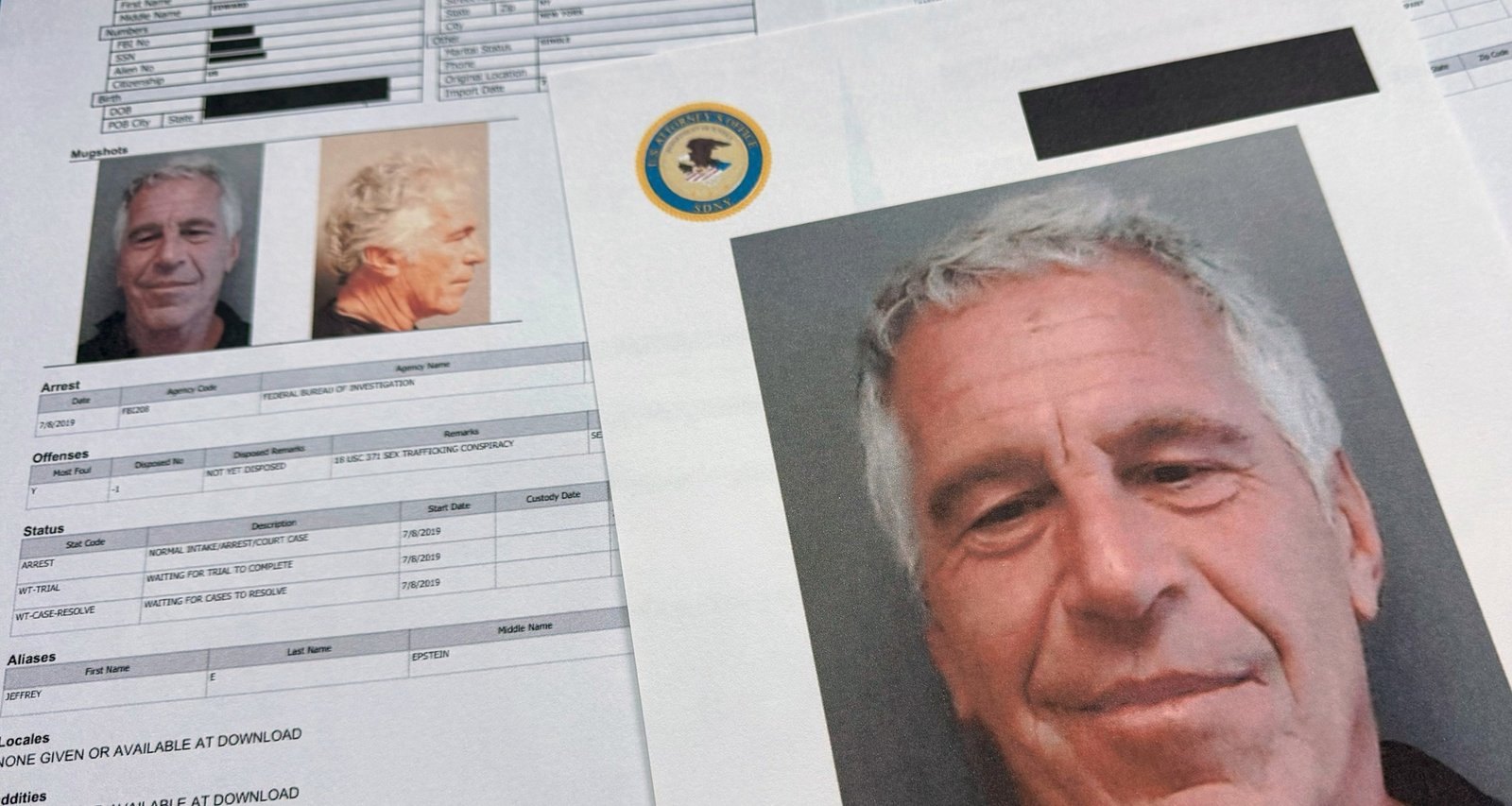
Imagem: Internet
The judges have not yet ruled on the emergency application. If they side with the plaintiffs, the DOJ could be ordered to suspend access to the database until a new review protocol is established. Alternatively, the court could direct the department to adopt stricter safeguards while keeping the site partially operational.
The controversy arises more than six years after Epstein died by suicide in a Manhattan jail while awaiting trial on federal sex-trafficking charges. Following his death, prosecutors indicated they would examine potential wrongdoing by associates who may have facilitated or participated in the alleged abuse. The current document release was billed as part of that transparency effort, offering the public insight into investigative findings and prosecutorial decisions.
Many accusers have long sought to keep their identities private, pointing to fears of retaliation, professional repercussions and emotional harm. Federal law requires that minors and victims of sexual offenses be protected from unnecessary public exposure. The lawyers argue that the latest disclosures undermine those protections and erode trust in the justice system’s ability to safeguard vulnerable witnesses.
Beyond personal risk, the attorneys warn that ongoing publicity could complicate any future prosecutions by tainting potential juror pools and discouraging additional witnesses from cooperating. They insist that the problem cannot be solved through piecemeal takedowns and edits, calling for a complete shutdown until a fail-safe procedure is in place.
The Justice Department has not indicated whether it will voluntarily suspend the website. Officials say they remain committed to correcting mistakes and have encouraged anyone who discovers unredacted information to notify the agency promptly.
As the judges weigh the request, victims, their advocates and government lawyers continue to monitor the site for new errors. The outcome could influence how federal agencies handle large-scale document releases in future high-profile cases that involve sensitive personal data.
Crédito da imagem: Jon Elswick/AP