
The scramble for qualified auditors and advisors is reshaping the European accounting landscape, forcing firms to rethink long-standing operating models and talent strategies. While demand for audit, advisory and compliance services continues to climb, a shrinking pool of experienced professionals in local markets is creating delivery bottlenecks and escalating costs.
This tension is particularly visible in the Netherlands, where nearly 40 percent of audit practices report an inability to complete all contracted engagements because they cannot staff projects adequately. Rising contractor rates add another layer of pressure, eroding margins at the same time that regulatory complexity, sustainability reporting mandates and heightened client expectations expand the scope of work.
These dynamics will be in the spotlight on 25 June at IAFA 2026, where Marnix van Kruijsdijk, Co-Founder and Director of iSprout Finance, and Edwin van Haare, Partner Accountancy & Assurance at Newtone, are scheduled to outline how emerging delivery models combine international talent, structured onboarding and artificial intelligence to help firms scale beyond local capacity limits.
The shift from repetitive compliance to AI-enabled assurance
Traditional audit frameworks have long relied on manual sampling, file preparation and repetitive control testing. Digital workflows and AI-supported tools now automate much of that labor, accelerating procedures while reducing the need for on-site staff. Dynamic audit platforms can ingest large data sets, identify anomalies and document evidence in real time, enabling practitioners to focus on judgment-based tasks rather than mechanical checks.
Regulators are also steering the profession toward technology-driven solutions. Guidance from bodies such as the International Federation of Accountants encourages the adoption of data analytics and machine learning to enhance audit quality and efficiency. As these tools gain traction, firms require specialists who understand both technical accounting standards and the capabilities of advanced software—skills that are not always available in sufficient numbers within individual European markets.
A joint venture model built around global teams
iSprout and Newtone aim to address that skills gap through a joint venture that embeds South African finance professionals directly into European audit and advisory engagements. Operating from a Cape Town hub, the teams work inside client systems, follow existing governance frameworks and participate in the same communication channels as local colleagues. According to the two firms, this structure preserves quality control and cultural alignment while adding scalable capacity.
The South African auditors and advisors arrive with hands-on experience in widely used platforms, including Caseware, Inflo, RobotX, AFAS, Xero and Silverfin. Familiarity with these systems simplifies integration and reduces onboarding time, allowing project work to proceed without the delays often associated with traditional outsourcing arrangements. The professionals also operate increasingly in AI-supported environments, positioning them to contribute immediately to technology-enabled assurance procedures.
Structured onboarding and continuous development
Unlike conventional offshoring, where tasks are dispatched piecemeal to remote service centers, the iSprout x Newtone model emphasizes end-to-end operational alignment. Recruits undergo a structured induction program covering European auditing standards, local regulatory nuances and the specific methodologies of each engagement team. Continuous professional development, monitored through performance metrics and peer reviews, aims to maintain consistency with evolving international requirements.
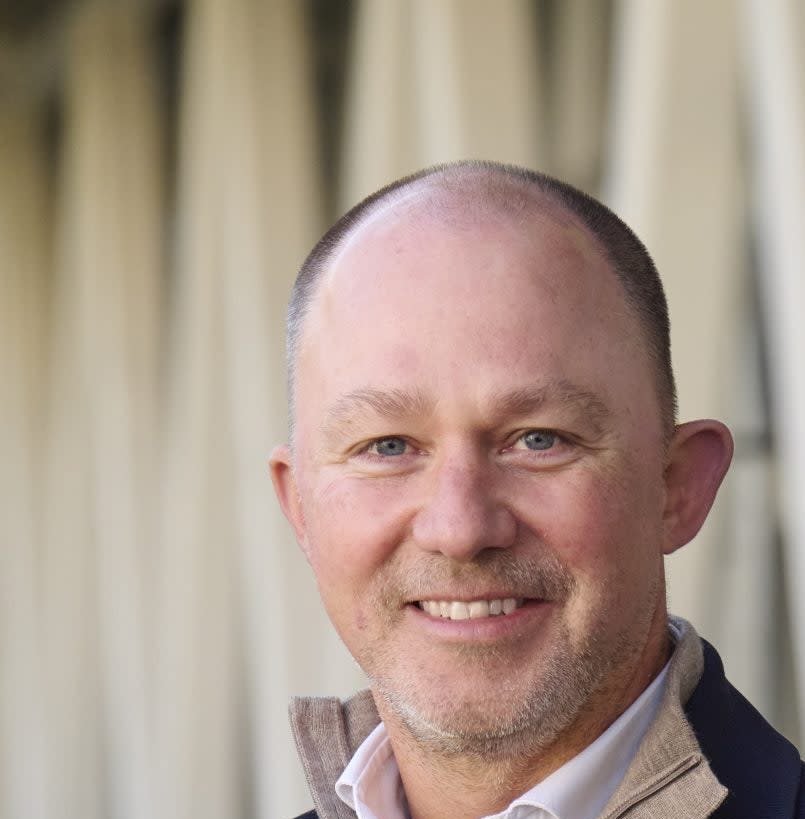
Imagem: Internet
This approach seeks to mitigate two common concerns associated with cross-border collaboration: quality control lapses and cultural disconnects. By integrating remote professionals directly into existing audit files, workflow tools and review hierarchies, the joint venture aspires to deliver a single, unified service experience to clients, regardless of where individual team members are located.
Cost dynamics and competitive positioning
Access to a broader talent pool is only one benefit highlighted by the partners. Contractor fees in the Netherlands, Belgium, Germany and the United Kingdom have climbed sharply in recent years, squeezing smaller accounting practices and mid-tier networks. Leveraging qualified professionals in South Africa offers a cost structure that can restore margin flexibility without sacrificing technical expertise. At the same time, firms can reallocate senior European staff to higher-value advisory work, further differentiating their service offerings in a crowded market.
Client expectations are shifting as well. Organizations now look for advisors who can interpret integrated sustainability data, guide them through digital transformation and deliver insights faster than annual reporting cycles. The combination of AI-driven audit tools and a geographically diversified workforce positions participating firms to meet those requirements while maintaining compliance with tightening oversight from European regulators.
Implications for the wider profession
Industry observers note that the staffing shortage is unlikely to ease soon. Demographic trends, the appeal of alternative career paths for finance graduates and the growing complexity of professional examinations all contribute to a limited supply of newly qualified auditors. As a result, integrated global delivery models may become a standard feature of the profession rather than an exception.
For firms considering similar strategies, the experience of iSprout and Newtone underscores several practical lessons. Effective international collaboration hinges on shared technology platforms, transparent governance structures and clear performance metrics. Embedding remote professionals within existing teams—rather than isolating them in parallel service centers—can foster accountability and sustain quality controls. Lastly, targeted investment in AI and data analytics enables global teams to deliver work that transcends routine compliance, aligning services with the advisory needs of modern clients.
Whether the joint venture’s approach gains widespread adoption remains to be seen, but the structural trends driving experimentation are unmistakable. As capacity constraints intensify and the profession accelerates toward digitized, data-centric assurance, European accounting firms may find that scaling beyond their local talent pools is no longer a choice but a prerequisite for sustainable growth.