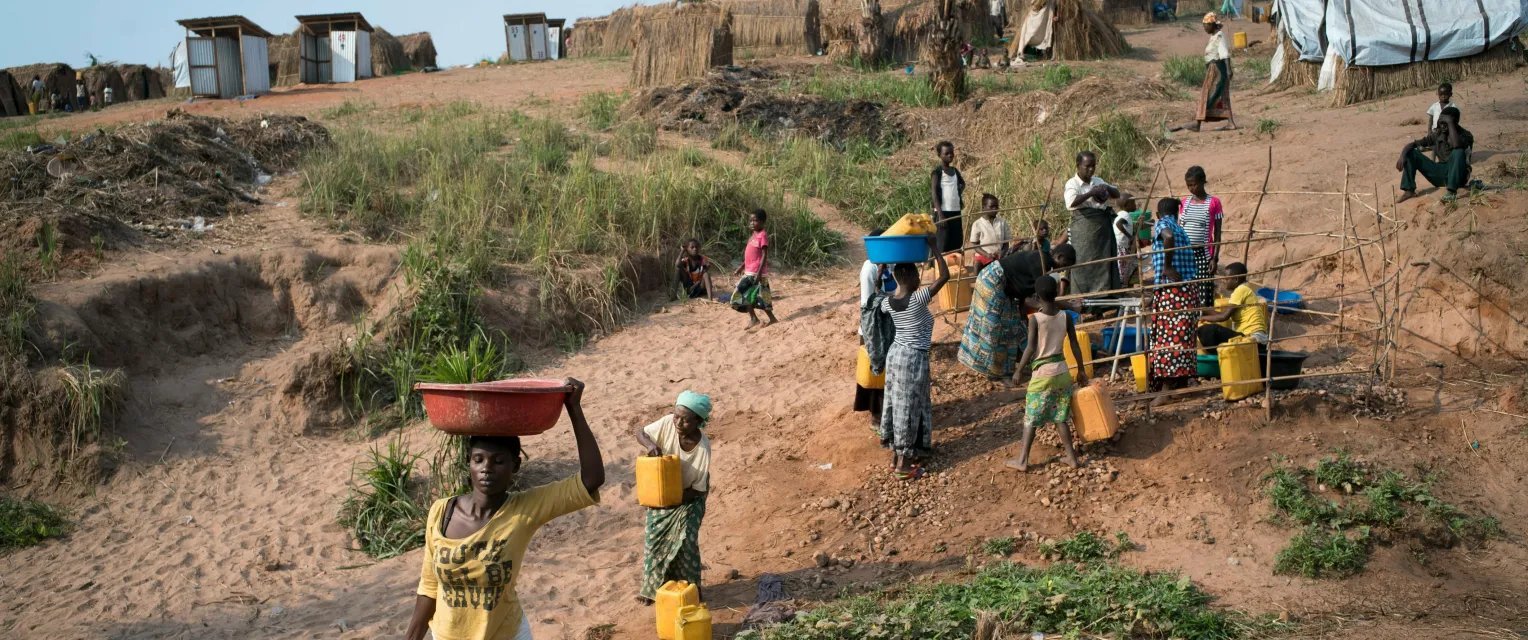
Following the war, former child soldiers returned to civilian life without psychological support. Many had been conditioned to see women as spoils of combat, heightening the risk of domestic abuse. At the same time, social stigma and fear of community backlash discouraged women from reporting assaults, limiting the effectiveness of conventional law-enforcement approaches.
Why Clergy Stepped In
Amid limited infrastructure and weak public institutions, pastors, imams and their spouses often served as first-line confidants for survivors. Recognizing their unique access to both victims and perpetrators, an interfaith network of religious leaders launched the Tamar Campaign in 2013. The initiative sought to reframe scriptural narratives to promote respect, equity and non-violence inside households and across communities.
Inside the Tamar Campaign
Named after the Old Testament account of Tamar, who was raped by her brother Amnon, the campaign ran for three years and reached more than 30,000 people in multiple cities and villages. Participants—organized in mixed-gender groups of about 25—met monthly for a year. Each session followed a structured format:
- Introduction of a scriptural story involving abuse, silence or complicity.
- Open discussion about parallels in local families and neighborhoods.
- Training in socio-emotional skills such as identifying feelings, managing conflict and practicing empathy.
- Development of personal and collective action plans to prevent violence and support survivors.
The curriculum targeted toxic norms around masculinity, encouraging men to see themselves as allies rather than enforcers. Women participated alongside men, fostering mutual understanding and reinforcing community accountability.
The Research Design
Four years after the final cohort completed the program, a team of social-organizational psychologists surveyed former participants and comparable residents who had not joined the campaign. The study focused on married or cohabiting adults in both provinces. Respondents were asked about incidents of physical intimidation, sexual coercion and emotional abuse over the preceding 12 months.
Data analysis revealed markedly lower rates of violence among the intervention group. In North Kivu, the reported prevalence dropped by as much as 85 percent; in South Kivu, by roughly 50 percent. Couples also described healthier communication patterns and greater shared decision-making than those observed in the control population.
Why It Worked
Several factors appear to have contributed to the program’s effectiveness:
- Legitimacy of Faith Leaders: Clergy were widely trusted and held moral authority that secular agencies lacked.
- Community-Wide Engagement: Men, women and youth attended together, reducing the risk of social isolation for outspoken survivors.
- Cultural Resonance: Scriptural references provided familiar entry points for discussing taboo subjects.
- Skill Building: Regular sessions equipped participants with practical tools for managing emotions and resolving disputes.
- Ripple Effect: Graduates replicated the model informally in neighboring villages, extending the impact without additional funding.
The results align with broader evidence that gender violence often rises during armed conflict. UN Women reports that displaced populations face heightened risks due to breakdowns in legal and social protections, underscoring the need for community-driven solutions.
Continuing Influence
Although the original grant ended in 2016, the Tamar curriculum remains in circulation. Local congregations have adapted the materials for premarital counseling, youth groups and village mediation committees. Community observers say bystander intervention—neighbors stepping in when they witness violence—has become more common, indicating that the campaign’s principles have diffused beyond formal meetings.
Researchers note that earlier efforts centered on women’s self-advocacy sometimes faltered when participants feared retaliation or family fragmentation. By redirecting attention toward male accountability and shared responsibility, the Tamar model appears to have reduced those concerns and fostered collective ownership of the problem.
Implications for Other Contexts
The success in eastern Congo suggests that religious institutions, when mobilized to promote gender equity, can supplement legal and humanitarian measures in fragile settings. The study’s authors caution, however, that outcomes may vary depending on local norms, security conditions and the willingness of clergy to challenge entrenched hierarchies.
Further research is under way to determine whether similar faith-based approaches are transferable to camps for internally displaced persons, urban slums and post-conflict regions in other parts of Africa. Comparative studies may also explore the long-term effects on children who grow up in households exposed to the curriculum.
For now, the evidence from North and South Kivu offers a rare example of a low-cost, culturally grounded intervention that delivered sizable and durable reductions in gender-based violence—an outcome that many larger, externally managed programs have struggled to achieve.