ABC News reported it had reached out to both the FDA and the Department of Health and Human Services for comment. Neither body had issued a public response by Monday afternoon.
Public health specialists question the memo
The lack of supporting information quickly drew criticism from medical and legal experts. Dorit Reiss, a professor at UC Law San Francisco who researches regulatory processes, argued that revising vaccine approval procedures without transparent evidence was inconsistent with past FDA practice. Reiss also noted that Prasad’s professional background is not centered on vaccinology.
Dr. Amesh Adalja, a senior scholar at the Johns Hopkins Center for Health Security and spokesperson for the Infectious Diseases Society of America, told ABC News that the memo contained none of the fundamental data required to establish a causal relationship. “To make such a claim, one would need to know basic things such as the age of the patients, the type of vaccine they received, their underlying conditions, [and] what type of analysis was done to establish a causal link,” he said. Adalja warned that statements lacking evidence could fuel vaccine hesitancy.
Background on pediatric vaccination
The United States began offering COVID-19 shots to the youngest age group in June 2022, when federal regulators cleared Pfizer-BioNTech and Moderna doses for children aged six months to five years. One early public site was Temple Beth Shalom in Needham, Massachusetts, where a clinic opened on 21 June 2022.
Authorization for children under five followed extensive clinical trials and safety monitoring led by the FDA and the Centers for Disease Control and Prevention. Summary results from those trials showed no vaccine-associated deaths. Ongoing surveillance is maintained through the Vaccine Adverse Event Reporting System (VAERS) and other mechanisms. The FDA generally evaluates any reported fatality to determine whether a temporal association represents causation.
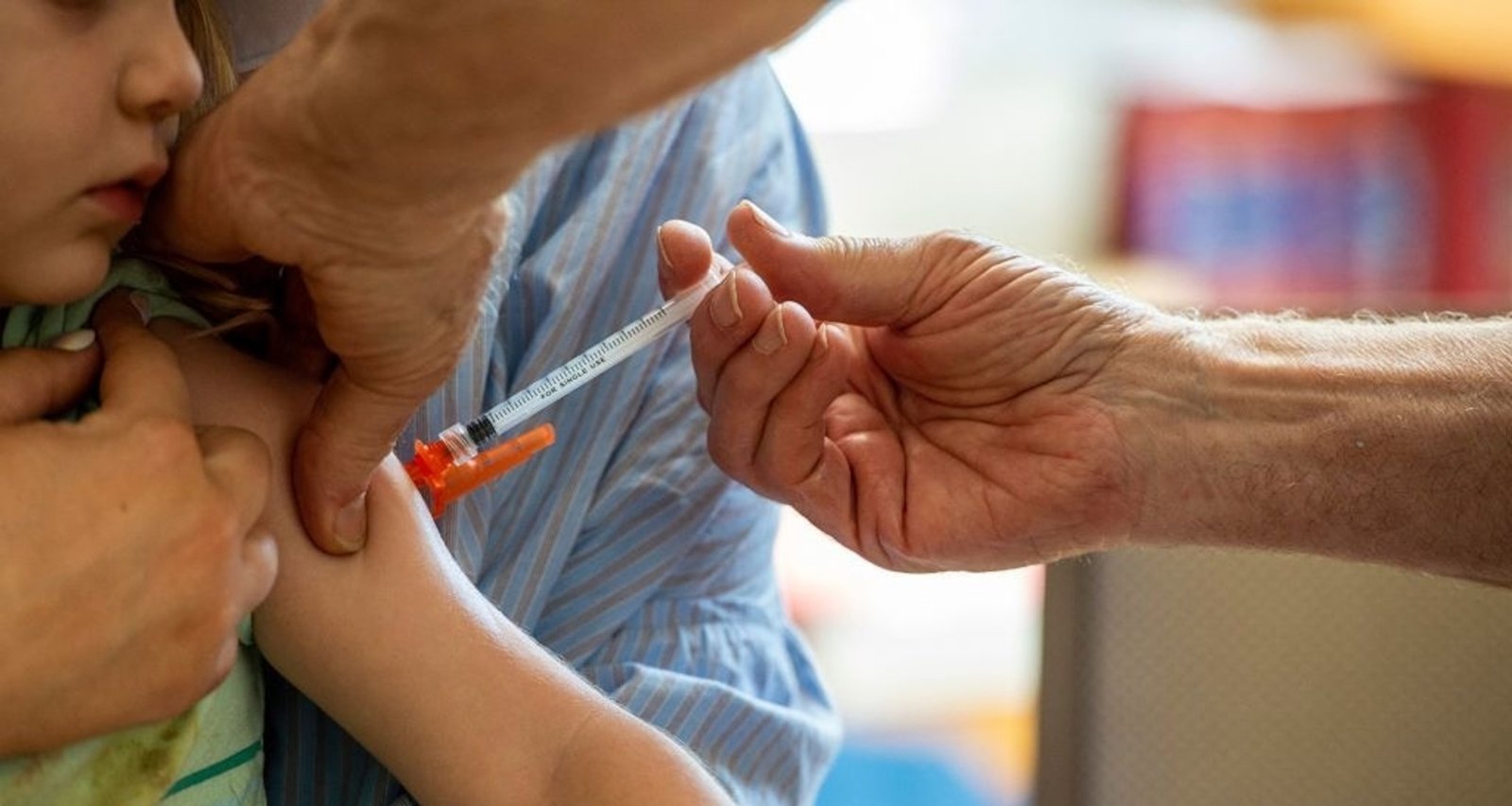
Imagem: Internet
According to the latest publicly available data, more than 28 million pediatric doses have been administered nationwide. Federal officials continue to emphasize that serious adverse events remain rare. Detailed information on the FDA’s post-authorization safety strategy can be found on the agency’s official biologics safety page.
Next steps unclear
In his memo, Prasad wrote that the FDA would pursue a “stricter review and approval protocol” for respiratory vaccine trials but did not specify what changes were under consideration. Reiss and other commentators noted that past modifications to approval pathways typically underwent public advisory committee meetings and were accompanied by docketed evidence.
The memo’s release comes amid broader debate over updated COVID-19 boosters. Some health professionals argue that current recommendations rely on limited human trial data, while others contend that rapid deployment is essential to protect vulnerable populations ahead of viral surges.
Whether the FDA will convene its Vaccines and Related Biological Products Advisory Committee to examine the ten pediatric cases remains unknown. The agency has not announced a timeline for publishing its internal analysis or for revisiting the authorization status of existing products.
For now, national vaccination guidance remains unchanged. The CDC continues to recommend COVID-19 immunization for individuals six months and older, stating that the benefits of preventing severe disease outweigh the known risks.
Crédito da imagem: Joseph Prezioso/AFP via Getty Images


