ICH, a nonprofit established under Swiss law, reported that about 500 regulators and industry experts attended the meeting in person. The organization said three guidelines were adopted, addressing standardized clinical trial protocols, harmonized post-approval safety reporting and quality criteria for noninterventional real-world data studies. FDA staff contributed to drafting each of the new standards.
Funding source and approval process
An FDA spokesperson said the trip was financed with carryover “user fees” — funds paid by drug and device companies to support regulatory work — rather than taxpayer appropriations. The agency described the travel as “mission critical” for aligning global drug development and regulatory science. Approval required clearance from senior leadership, including Chief Operating Officer Barclay Butler.
Internal email traffic suggests the decision was closely scrutinized. In a Nov. 6 exchange, Deputy Chief Financial Officer Sahra Torres-Rivera noted a standing agreement to limit conference participation but wrote that final authority rested with top executives. Director Michelle Tarver separately proposed canceling conference attendance altogether and allowing only virtual presentations on user-fee-funded topics.
A document posted on the FDA website during the shutdown stated that “conference approval will be handled by FDA’s senior leadership on a case-by-case basis” because of “the optics of business travel conducted during a shutdown.” The page was removed on Dec. 3, after CNBC requested comment. An agency representative said webpages are routinely updated to reflect current policy.
Pressure on agency resources
The travel decision emerged against a backdrop of budgetary strain. The administration has proposed an 11.5 percent reduction in the FDA’s annual budget, and Commissioner-nominee Marty Makary told Congress in May that nearly 1,900 employees had been laid off while about 1,200 accepted early-retirement offers. Leadership turnover has added to internal challenges, and former commissioners have publicly questioned the agency’s approach to areas such as vaccine oversight.
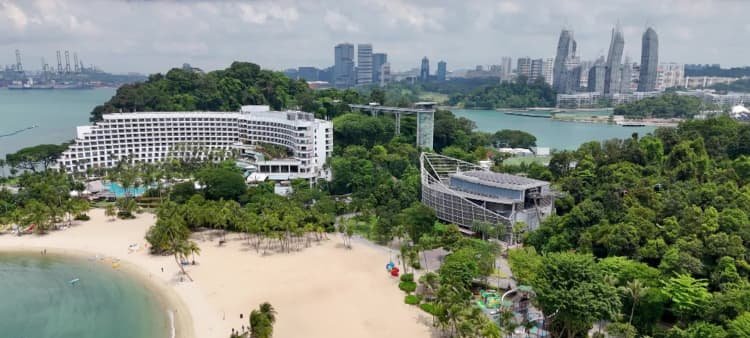
Imagem: Internet
Dylan Hedtler-Gaudette, acting vice president of policy and government affairs at the nonpartisan Project On Government Oversight, said sending dozens of staff abroad during a funding lapse risks undermining public confidence. “At minimum it is poor optics,” he said in an interview referenced in the records. “At worst, it could be a misuse of public resources.”
Hedtler-Gaudette acknowledged that user-fee money is not drawn directly from tax revenue but argued that it should still be “guarded with as much respect” because the funds are public by law. FDA policy requires that user-fee balances be spent only on activities clearly related to the agency’s regulatory mandate and, during appropriations lapses, on work necessary to protect human life or property.
Context of prior participation
Agency figures show that FDA attendance at the previous two ICH meetings ranged between 47 and 49 delegates. By comparison, 31 employees traveled this year. The next biannual sessions are scheduled for Rio de Janeiro and Prague in 2026.
Sentosa’s conference center hosted closed-door working groups and plenary sessions across a series of hotel meeting rooms. ICH said the adopted guidelines are intended to streamline global pharmaceutical development, facilitate electronic data exchange and enhance the consistency of safety surveillance. Additional information on the council’s mission and governance is available through the World Health Organization, which lists ICH as a partner in regulatory harmonization efforts (WHO).
The FDA has not disclosed whether any further travel restrictions were introduced following the Singapore trip or whether similar conferences will face tighter scrutiny if another shutdown occurs.
Crédito da imagem: Getty Images


