Shift in official rhetoric
The administration’s re-examination follows immediate characterizations of Pretti as a “domestic terrorist” by both Miller and DHS Secretary Kristi Noem. Those declarations, offered without supporting evidence, drew criticism from lawmakers of both parties as well as civil rights groups. Within 48 hours, Deputy Attorney General Todd Blanche tempered the language, saying on national television that officials were not equating Pretti’s actions with the statutory definition of domestic terrorism.
Press Secretary Karoline Leavitt further distanced the president from the initial remarks during a White House briefing on Jan. 26. She told reporters that President Donald Trump “wants to let the facts in the investigation lead itself” and has not personally labeled Pretti a terrorist.
The recalibration comes as federal agencies confront broader scrutiny following a separate deadly shooting earlier in the month. On Jan. 7, ICE agents fatally shot Renee Good, a 38-year-old mother of three, during an attempted arrest linked to an immigration warrant. That case, now under review by the Justice Department’s Civil Rights Division, amplified calls for transparent guidelines governing federal force deployments in domestic settings.
Background on the Minneapolis deployment
DHS augmented its presence in Minnesota in early January after local authorities requested federal assistance to curb what they described as rising threats against courthouses and detention facilities. The contingent included CBP tactical units, ICE Enforcement and Removal Operations personnel, and supporting federal marshals.
Standard DHS policy requires that any federal team operating away from the border receive mission-specific rules of engagement. Those rules outline acceptable use-of-force thresholds, crowd-management tactics, and coordination protocols with local police. Questions now center on whether those directives were clearly communicated and adhered to on Jan. 24.
Video recorded by a bystander and reviewed by ABC News shows agents confronting Pretti near a parking lot entrance at approximately 4:15 p.m. Officers shout commands for the nurse to “get on the ground” moments before a volley of gunfire. Pretti, who appeared unarmed in the footage, was pronounced dead at the scene by city medics. The Hennepin County Medical Examiner’s Office listed multiple gunshot wounds as the cause of death.
Federal officials have not disclosed why Pretti was approached. Local police sources, speaking on background, said no outstanding warrants or alerts had been issued for him. The Minneapolis Police Department, serving as the lead investigative agency, has asked the public to submit any additional recordings to assist in reconstructing the sequence of events.
Political and community response
The shootings of Pretti and Good have intensified debate over the scope of federal law-enforcement authority inside U.S. cities, particularly in communities far from the southern border. Recent polling from the Pew Research Center indicates that a majority of Americans favor immigration enforcement but harbor reservations about aggressive tactics by federal agents. Advocacy organizations argue that the Minnesota incidents demonstrate the need for clearer oversight mechanisms.
In Congress, members of the House Homeland Security Committee have requested DHS briefing materials related to the Minneapolis deployment. Ranking Member Rep. Abigail Jensen, D-Wash., said the panel wants “a full accounting of operational directives, chain of command decisions, and body-camera footage.” Committee Chair Rep. Grant Martinez, R-Texas, has also signaled support for an inquiry, stating that “accountability is essential for maintaining public trust.”
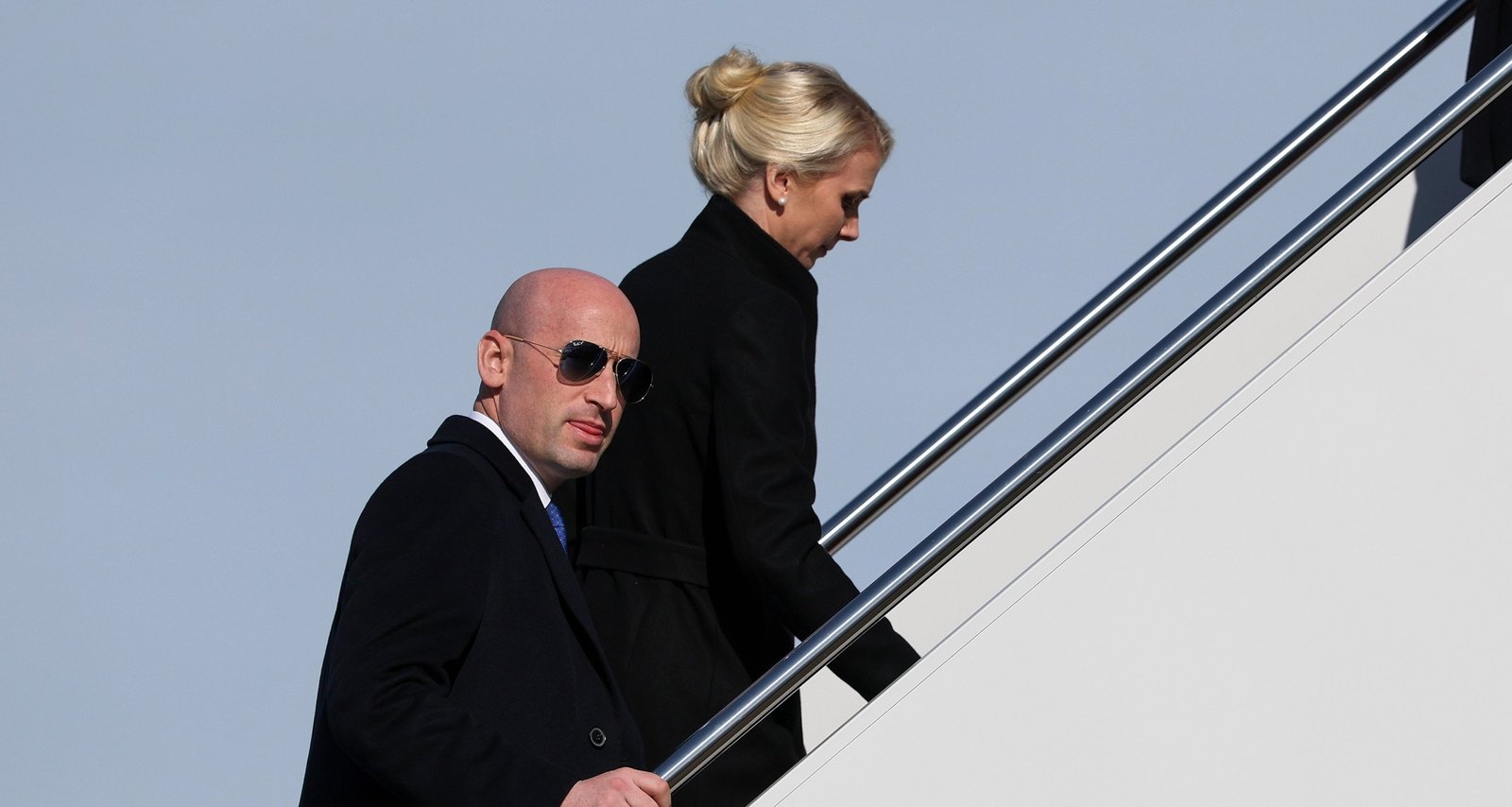
Imagem: Internet
Separately, the American Civil Liberties Union filed a Freedom of Information Act request seeking records on CBP’s rules of engagement outside designated border zones. The organization contends that the agency’s expanding domestic role raises constitutional concerns. A comprehensive overview of CBP authorities is available through the Government Accountability Office, which audited the agency’s deployment practices in 2021.
Next steps in the investigation
The Justice Department’s Civil Rights Division is monitoring the Minneapolis case but has not opened a separate probe. A spokesperson said the division will await findings from the local investigation before determining whether federal civil rights statutes apply. CBP’s Office of Professional Responsibility is conducting an internal review, standard procedure after any use-of-force incident resulting in death.
Key questions investigators aim to resolve include:
- What prompted federal agents to engage Pretti in the parking lot?
- Were body-camera systems activated, and if so, when will footage be released?
- Did agents adhere to the prescribed continuum of force and de-escalation protocols?
- Was there a breakdown in the command structure overseeing the Minneapolis deployment?
Legal experts note that CBP agents operating inland must follow both departmental policy and local use-of-force statutes. “If protocols were not followed, liability could extend beyond individual officers to supervisory levels,” said Martin Reyes, a former DHS inspector general. Reyes added that previous audits have flagged gaps in inter-agency communication during joint operations.
Community memorial and public reaction
Pretti’s colleagues at the Minneapolis VA Medical Center held a candlelight vigil outside the facility on Jan. 27. Hospital administrators described him as a dedicated critical-care nurse who volunteered for extra shifts during recent influenza surges. Family members have retained counsel but have not announced whether they intend to file a civil claim.
Meanwhile, local activists plan to march from City Hall to the Hennepin County Government Center this weekend, calling for the immediate release of all investigatory materials. City officials have issued permits for the gathering and said mutual-aid agreements with state police are in place should crowds exceed expectations.
As reviews proceed, DHS has temporarily suspended further CBP deployments to Minnesota. Officials said the pause will remain until the agency completes its assessment of operational compliance. Federal law-enforcement personnel already in the state will continue assigned duties under revised guidance emphasizing de-escalation and coordination with local authorities.
The Minneapolis Police Department expects to deliver preliminary findings to prosecutors within 30 days. Final determinations on potential criminal charges against any agents involved will rest with the Hennepin County Attorney’s Office.
Crédito da imagem: Win McNamee/Getty Images | Obtained by ABC News