Producers say the impact will be felt quickly. Stacy, a hemp farmer and small-business owner in Woodstock, Illinois, told C-SPAN’s Washington Journal that her joint-and-muscle salve exceeds the new THC ceiling even though, she noted, the topical does not intoxicate users. She expects to spend the next year winding down operations, citing the absence of alternative product lines that comply with the federal standard.
Senate effort to remove language fails
During floor debate, Senator Rand Paul attempted to amend the Senate version of the bill to strike the THC provision, arguing that the change “couldn’t come at a worse time” for U.S. agriculture. The chamber voted to table his amendment, leaving the restriction in place. Paul, who represents Kentucky—a state with a significant hemp sector—contended that the rule would effectively dismantle the industry that lawmakers sought to cultivate seven years ago.
Supporters cite public-health concerns
Backers of the limit point to what they consider a loophole in the 2018 Farm Bill. Senator Mitch McConnell, a senior member of both the Agriculture and Appropriations committees, maintains that producers have been converting legal hemp extracts into intoxicating substances and marketing them without adequate oversight.
That view aligns with a October 2025 letter from more than three dozen state attorneys general. The officials warned Congress that unregulated synthetic THC products are widely available and may pose risks to consumers, especially minors. They also argued that the proliferation of these items hampers law-enforcement efforts by blurring the legal distinction between hemp and marijuana.
Regulators at the U.S. Food and Drug Administration have repeatedly stated that additional federal guidance is needed to oversee hemp-derived cannabinoids, which currently inhabit a gray area between food, supplement and drug regulations.
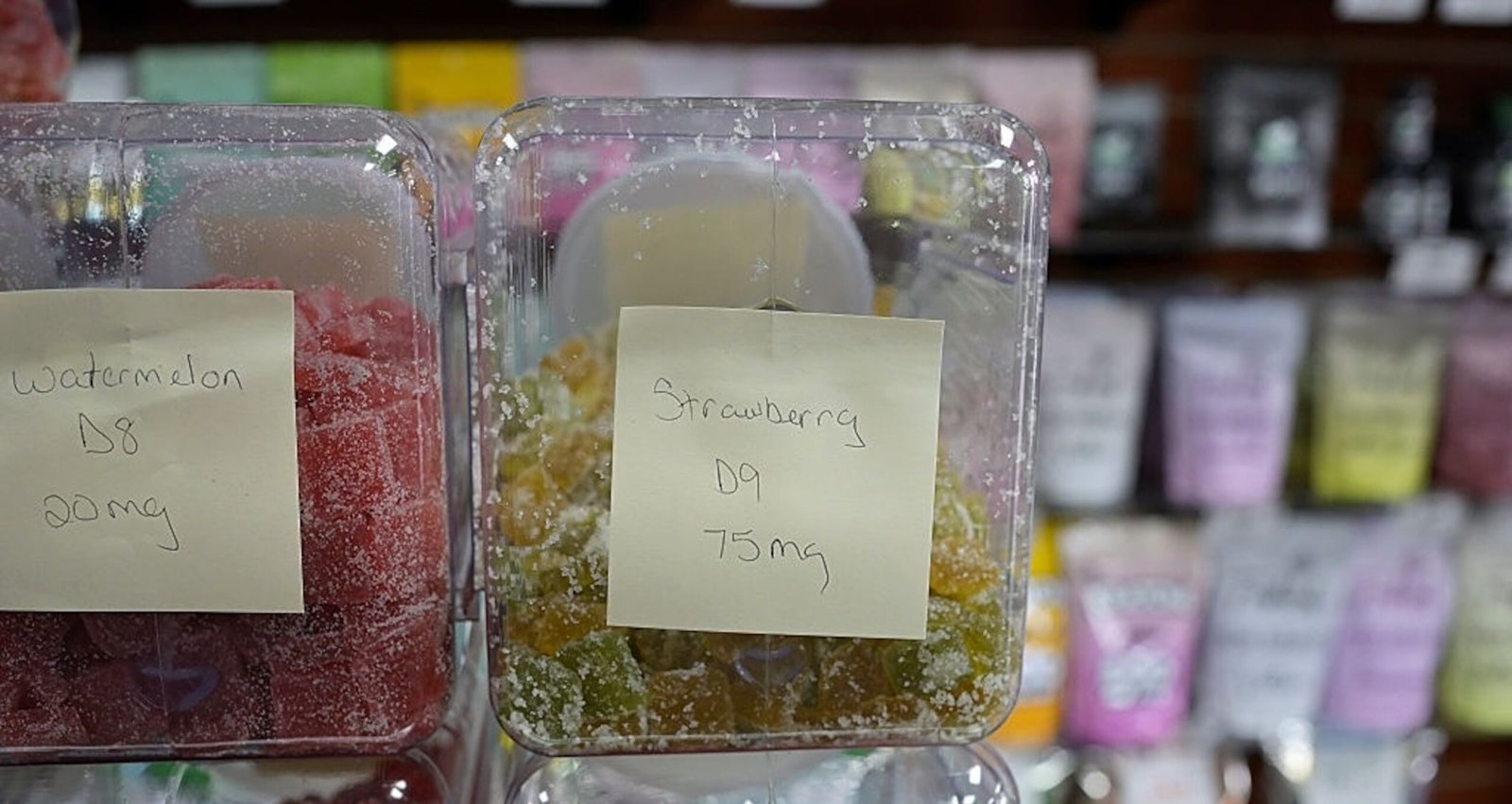
Imagem: Internet
Consumers could face reduced access
According to U.S. Hemp Roundtable, more than 90 percent of non-intoxicating hemp items contain THC in quantities above the new federal cap. The group says the reduction will affect seniors, military veterans and others who purchase low-dose products for pain management or sleep support. If current formulations disappear, patients may have to turn to prescription medicines or illicit alternatives, the organization argues.
Retailers likewise anticipate disruption. Convenience stores, wellness boutiques and specialty vape shops that have built shelf space around hemp extracts will have to clear inventory or reformulate goods within the next year, the period before enforcement is scheduled to begin. Industry analysts note that many small operators lack the capital to reformulate packaging, secure new laboratory testing and navigate additional compliance costs.
Timeline and enforcement
The statute gives producers a one-year transition window to meet the 0.4-milligram limit. After that period, the Food and Drug Administration, in coordination with the Department of Agriculture and other agencies, is expected to oversee compliance and removal of non-conforming products from interstate commerce. Penalties have not yet been detailed but are likely to mirror existing food and drug enforcement mechanisms, including product seizures and civil fines.
Broader policy landscape
The federal action comes as several states consider tighter controls on hemp-derived cannabinoids. Legislatures in Texas, Florida and Virginia, for example, are drafting bills that would either cap THC content or restrict synthetic conversions such as delta-8 and delta-10. Industry advocates fear that overlapping state and federal rules will generate a patchwork that complicates distribution and raises costs.
Congress is expected to revisit hemp policy in the forthcoming 2028 Farm Bill. Lawmakers on both sides have indicated interest in clarifying the legal status of cannabinoids and setting nationwide safety standards. Until then, the sector faces uncertainty over whether low-dose THC products can remain a staple of mainstream retail.
Crédito da imagem: Hyoung Chang/Denver Post via Getty Images


