Projected accumulation and timing
Forecasters anticipate storm totals of 20 inches in New York City and Boston, 11 to 15 inches across much of New Jersey and the Philadelphia metropolitan area, and a broad swath of one to two feet across interior sections of the Northeast. The most intense snowfall is occurring Monday morning over New Jersey, the five boroughs of New York City and southwestern Connecticut. Snow will taper there later in the afternoon but will continue into the evening for Rhode Island, eastern Massachusetts and the Maine coast. The National Weather Service expects most snow to end overnight, although blowing and drifting will persist well into Tuesday.
Damaging winds and visibility concerns
In addition to heavy snow, the storm is producing powerful winds. Gusts reached 55 mph in New York City, 75 mph at Boston’s Logan International Airport, 84 mph on Long Island and 73 mph on Cape Cod. These winds, combined with light, powdery snow, have reduced visibility to near zero at times and caused extensive blowing and drifting. Even after the heaviest precipitation subsides, forecasters warn that lingering gusts will continue to hamper travel and may delay cleanup operations.
Air and ground transportation impacts
The storm’s timing on a busy weekday led airlines to cancel more than 5,000 flights within, into or out of the United States on Monday. The hardest-hit airports include John F. Kennedy International, LaGuardia, Newark Liberty, Boston Logan and Philadelphia International. Although terminals remain open, carriers are urging passengers to confirm flight status before leaving for the airport. On the ground, authorities in New York City implemented a temporary travel ban for non-essential vehicles, and numerous state highways across New Jersey and Connecticut restricted speed limits or closed to tractor-trailers. Commuter rail and subway services are running on modified schedules, with additional crews standing by to address snow-related issues.
Power outages across the region
Heavy, wet snow combined with strong winds has brought down trees and power lines, leading to scattered outages. As of late Monday morning, more than 100,000 customers in New Jersey were without electricity, followed by approximately 67,000 in Delaware and 39,000 in Massachusetts. Utility companies have deployed extra line crews and requested mutual-aid assistance from neighboring states. Officials caution that restoration efforts may be hampered by continued high winds and hazardous road conditions.
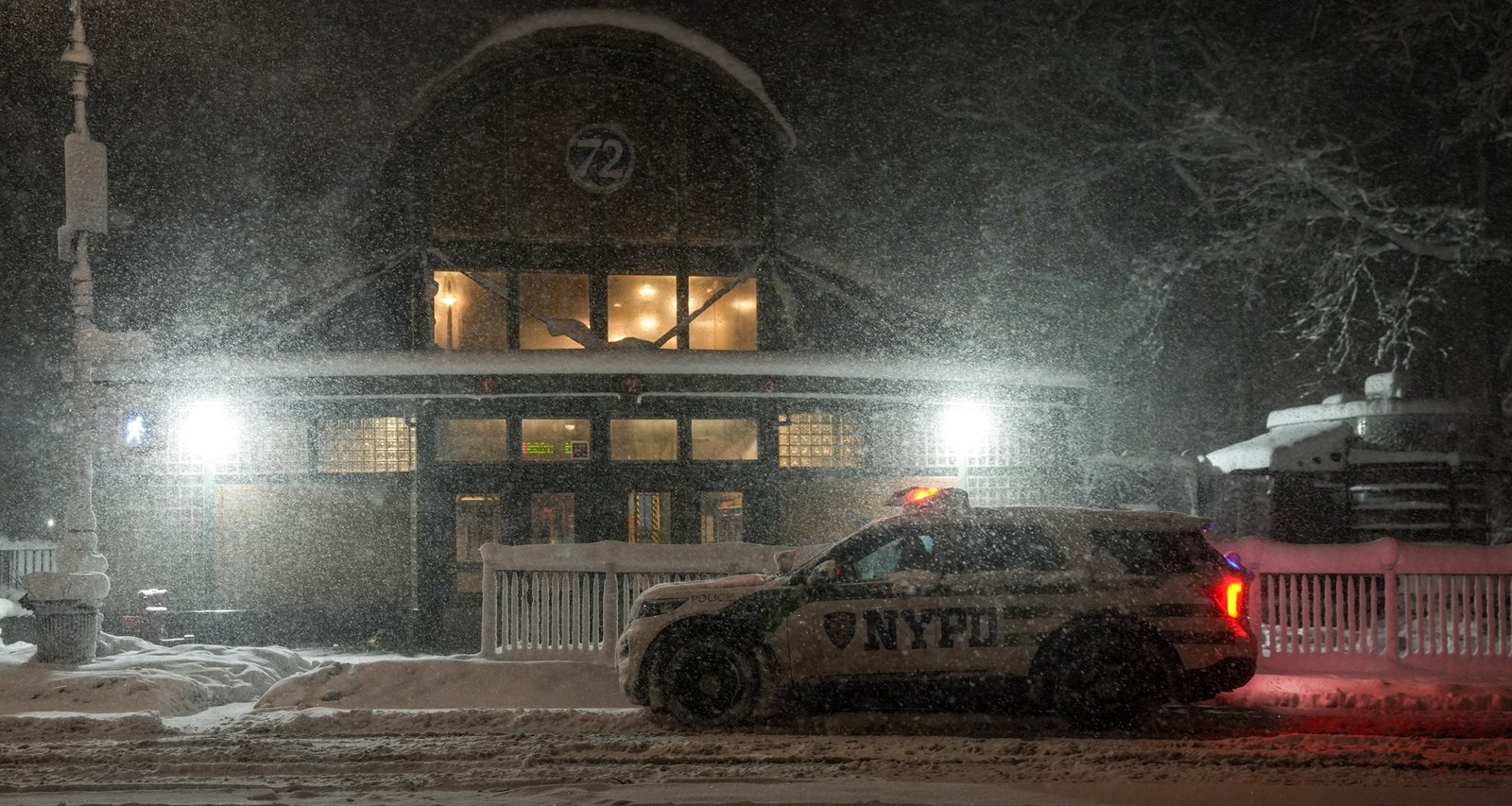
Imagem: Internet
Coastal flooding risks
Along the Atlantic coastline from Virginia through New England, the same onshore winds generating blizzard conditions inland are also pushing ocean water toward the shore. The National Weather Service has issued coastal flood advisories and warnings for low-lying communities, particularly portions of Long Island where inundation could exceed two feet in vulnerable areas at high tide. Emergency managers are urging residents to secure property and move vehicles to higher ground. For updated local advisories, residents can consult the National Weather Service.
Preparations and safety measures
Municipalities across the region pre-treated major roadways with brine and staged plow fleets in advance of the first flakes. Salt supplies appear adequate, according to state transportation departments, though extended cleanup is expected. Residents are advised to avoid travel, stay indoors during whiteout conditions and keep flashlights, batteries and extra blankets on hand in case of prolonged power failures. Officials also remind the public to clear snow from furnace vents and hydrants to reduce the risk of carbon-monoxide buildup and to aid firefighting efforts.
Next steps and outlook
Weather models show the low-pressure center gradually pulling away from the New England coast late Monday night. Winds should diminish Tuesday morning, allowing highway departments a full day to widen lanes and address secondary roads. Airline operations could resume a normal schedule by Tuesday afternoon, pending runway clearance and crew availability. Authorities will continue to monitor potential ice jams and secondary flooding as temperatures moderate later in the week.
Crédito da imagem: Getty Images