Transportation Secretary Sean Duffy, speaking on ABC News Live on Friday, said that if staffing levels deteriorate further, the Department of Transportation may ask carriers to eliminate more than 10 percent of flights at the affected airports. He added that the agency’s goal is to avoid a cascading effect on the broader aviation network while ensuring safety remains uncompromised.
Despite the widespread cancellations, the FAA elected not to trim international schedules. Duffy explained that doing so could violate bilateral air-service agreements and risk reciprocal measures against U.S. airlines. Maintaining existing international frequencies, he said, prevents potential long-term damage to American carrier access in foreign markets.
In an effort to preserve limited air-traffic capacity for commercial airlines, the FAA requested that private and corporate jet operators voluntarily avoid the 40 airports under restrictions. According to Duffy, most business aviation companies have rerouted flights to secondary airports, helping to reduce congestion during peak periods. The request is voluntary; no formal prohibition on private operations is in place.
The capacity cuts apply to hubs such as Atlanta, Chicago O’Hare, Dallas/Fort Worth, Denver, Los Angeles, Miami, New York’s JFK and LaGuardia, Orlando, San Francisco, and Seattle-Tacoma. The agency did not release a complete list, but airline schedule analyses indicate that large coastal and interior hubs alike are subject to the 10 percent reduction.
Saturday’s disruption aggravated delays that accumulated throughout the week. Airlines reported that crews and aircraft were out of position after Friday’s cancellations, complicating efforts to restart operations. Passengers whose flights were scrubbed on Friday often found themselves rebooked on limited Saturday inventory, only to see those flights canceled as well.
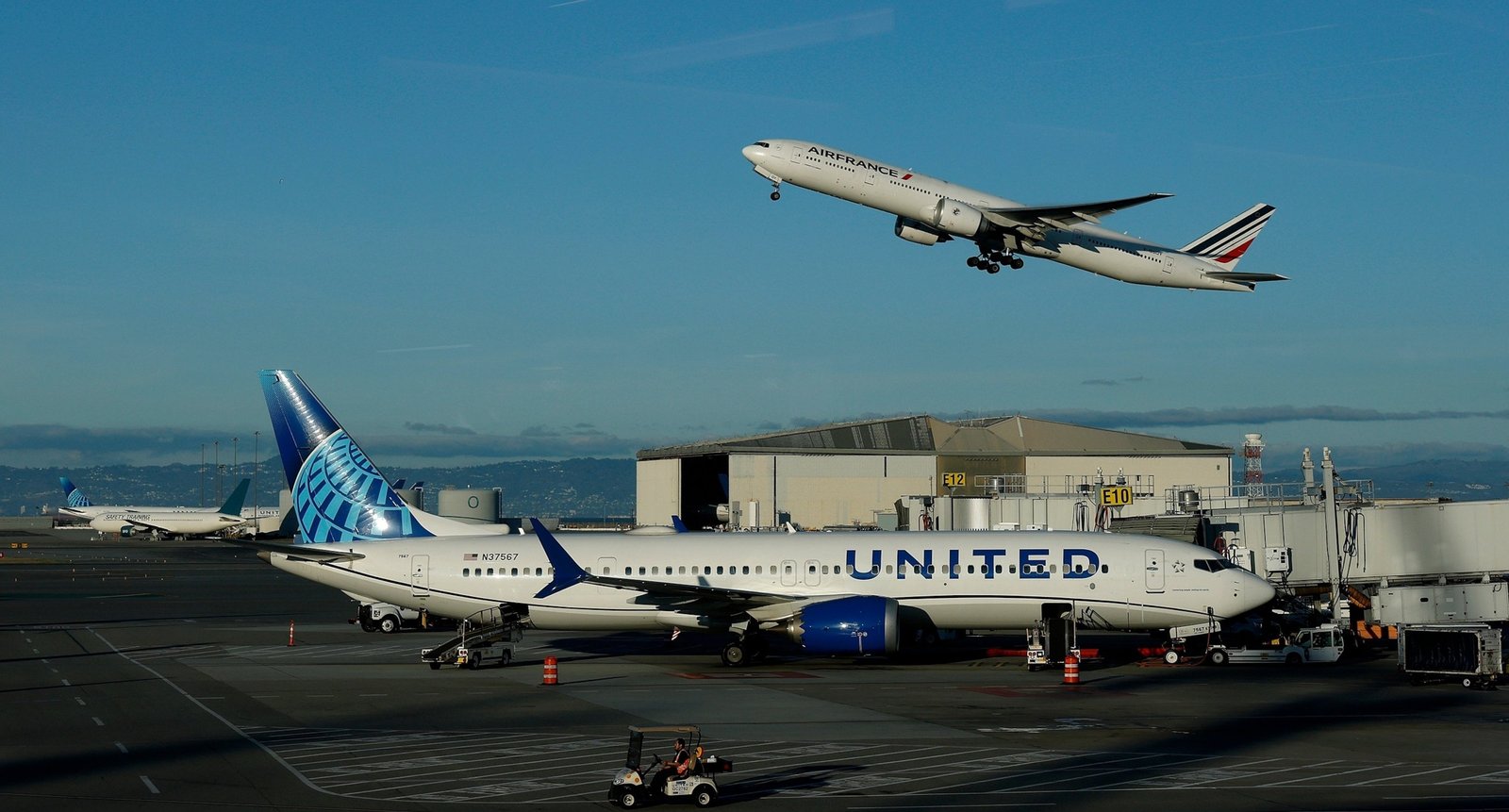
Imagem: Internet
An FAA spokesperson reiterated that safety-critical functions remain staffed, but acknowledged that reduced controller availability limits the number of aircraft that can be safely sequenced for takeoff and landing. Under federal rules, each aircraft requires specific separation distances and time intervals, and fewer controllers can handle fewer aircraft per hour.
Industry analysts note that airlines have little room to absorb additional shocks. Load factors— a measure of seat occupancy— have remained high through the autumn travel period, leaving few spare seats for stranded passengers. While carriers have waived change fees and offered refunds, hotels and rental cars in several metropolitan areas reported elevated demand as travelers sought alternate plans.
The situation has revived debate over whether air-traffic control should be placed under an independent, non-profit corporation rather than a federal agency, a model used in Canada and some European nations. Proponents argue that removing the system from the federal budget would insulate it from political impasses. Opponents counter that the transition would be complex, costly, and potentially risky.
For now, the immediate focus remains on staffing. If the shutdown continues, additional reductions are possible, and airlines may be required to submit revised schedules that reflect longer-term constraints. Passengers are advised to monitor airline notifications closely, arrive early at airports, and confirm connecting itineraries.
More information on air-traffic operations and consumer advisories is available on the Federal Aviation Administration’s official website.
Crédito da imagem: Justin Sullivan/Getty Images


