Georgia Court Dismisses Election Racketeering Case Against President Trump - Trance Living

Georgia Court Dismisses Election Racketeering Case Against President Trump

The Fulton County Superior Court on 26 November 2025 dismissed the election-interference prosecution that had accused President Donald Trump and 18 co-defendants of conspiring to overturn Georgia’s 2020 presidential results. Judge Scott McAfee granted the motion to drop the case minutes after special prosecutor Pete Skandalakis, executive director of the Prosecuting Attorneys’ Council of Georgia, filed a request stating that continued litigation would not serve the public interest.

Skandalakis assumed responsibility for the matter earlier in November after District Attorney Fani Willis was removed from the proceeding over allegations of impropriety involving a colleague. In his 22-page filing, he argued that pursuing the racketeering indictment could extend “five to ten years” and that logistical barriers made a timely trial impossible while Trump remains in office. The document concluded that Georgia citizens would not benefit from a prosecution that might not reach a jury until after January 2029.

The underlying indictment, returned in August 2023, had charged Trump and the other defendants under Georgia’s Racketeer Influenced and Corrupt Organizations (RICO) statute. Prosecutors alleged that the group pressured state officials, advanced false claims of voter fraud, and attempted to disrupt the certification of electoral votes. Central to the accusations was Trump’s 2 January 2021 telephone conversation with Secretary of State Brad Raffensperger, during which he sought enough ballots to reverse his narrow loss in the state.
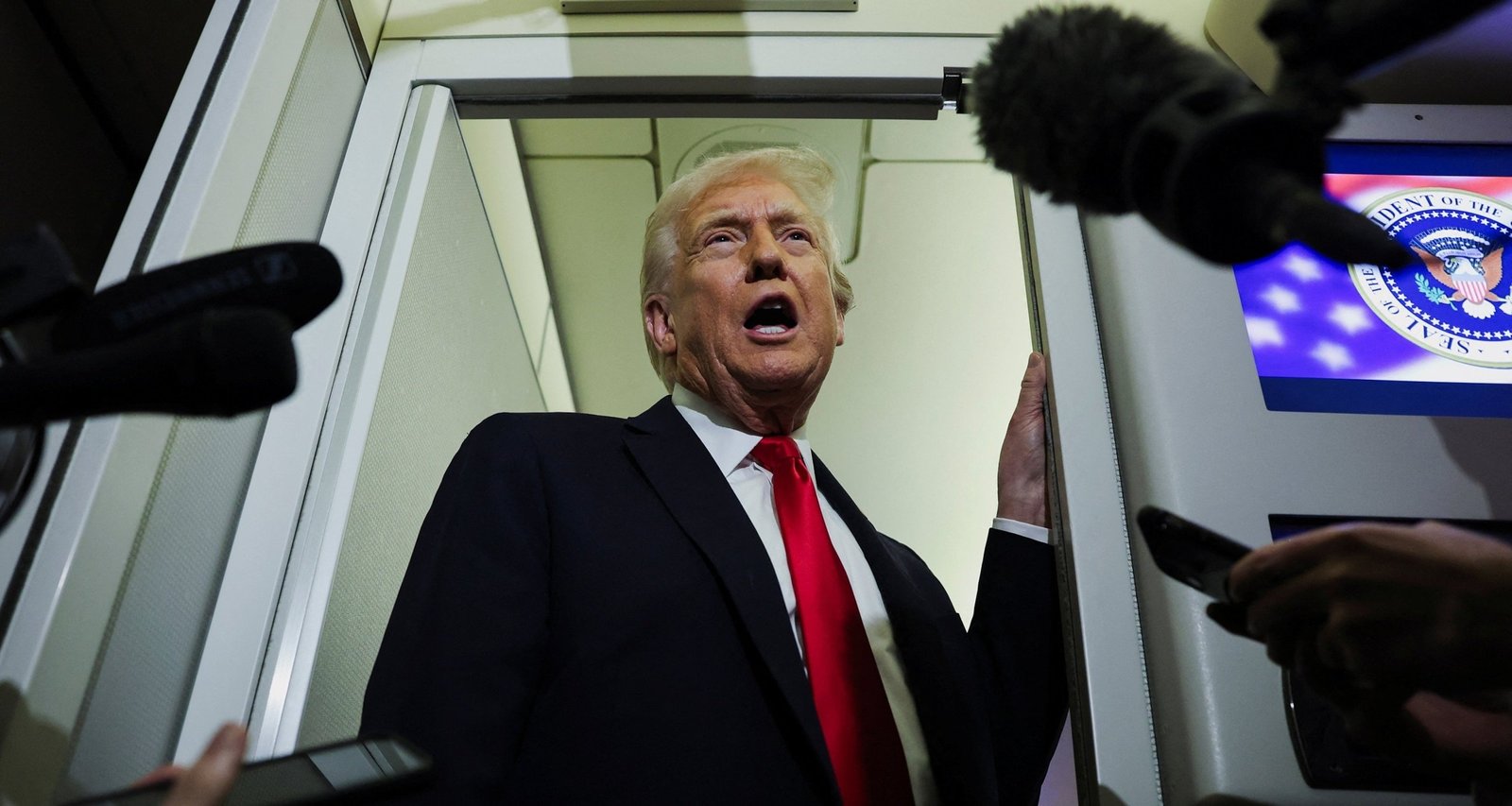
All 19 defendants originally pleaded not guilty. Four—attorney Sidney Powell, attorney Jenna Ellis, legal strategist Kenneth Chesebro and bail bondsman Scott Hall—accepted plea agreements in 2023 that required their future testimony but spared them prison time. The remaining defendants, including former White House chief of staff Mark Meadows and former Justice Department official Jeffrey Clark, maintained their innocence.

In his motion, Skandalakis cited multiple reasons for abandoning the case. He wrote that certain acts listed in the indictment—such as arranging telephone calls or encouraging public hearings—were insufficient to sustain a RICO conviction against a sitting president. He added that severing Trump from the other defendants would be “futile” because the same evidentiary and scheduling obstacles would persist.

The filing also contended that the alleged scheme was conceived in Washington, D.C., making a federal forum more appropriate than a Fulton County courtroom. Skandalakis noted that the state charges against Republican electors hinged on proving criminal intent, a standard he described as unlikely to be met. He further concluded that evidence against Clark and Meadows fell short of the “beyond a reasonable doubt” threshold required for trial.

Because Trump returned to the White House in January 2025, prosecutors faced additional limitations. The Department of Justice adheres to a long-standing policy that bars indicting a sitting president, a position detailed in an Office of Legal Counsel memorandum. Skandalakis observed that forcing a president to appear in state court was not realistic and that any delay until the end of Trump’s term would impair witnesses’ memories and strain judicial resources.

Georgia Court Dismisses Election Racketeering Case Against President Trump - Imagem do artigo original

Imagem: Internet

Defense counsel welcomed the outcome. Attorney Steve Sadow, representing Trump, said the dismissal ended what he called an unfounded political prosecution. Prosecutors did not immediately announce whether they would seek federal review, and the case was dismissed “without prejudice,” allowing the possibility of future action.

The Georgia decision effectively closes the second of two major election-interference proceedings initiated after the 2020 contest. The first—brought by federal special counsel Jack Smith in August 2023—had alleged a nationwide effort to overturn results through the use of alternate slates of electors, pressure on the Justice Department, and efforts to persuade the vice president to block certification on 6 January 2021. That federal case was terminated in January 2025, shortly after Trump’s inauguration, under the same Justice Department policy cited by Skandalakis.

With both prosecutions now inactive, no criminal trials related to the former president’s post-2020 election conduct remain on court dockets. Legal observers note that either matter could, in theory, be revived once Trump leaves office, but any renewed effort would have to overcome aging evidence and the procedural critiques outlined by Skandalakis.

Crédito da imagem: Anna Rose Layden/Reuters

You Are Here: