Mayor Frey offered a similar assessment on social media, asserting that federal authorities were weaponizing investigative tools to pressure local leaders for performing their duties. He emphasized that Minneapolis would continue efforts to protect residents and uphold community values.
Federal officials rejected the suggestion of political interference. U.S. Border Patrol Commander-at-Large Gregory Bovino, speaking at a Tuesday press conference flanked by senior ICE administrator Marcos Charles, maintained that federal tactics in Minneapolis are lawful and targeted. Bovino said agents are focusing on individuals who threaten public safety and insisted that operations are neither random nor politically motivated. He added that agents on the ground remain professional and courteous, even as demonstrators gather daily outside federal facilities.
Charles provided a brief update on Agent Ross, noting that the officer is recovering at home after the Jan. 7 shooting. He offered no timeline for Ross’s potential return to duty. The investigative findings surrounding Good’s death have not been released, and state prosecutors have not announced whether charges will be pursued. The fatal encounter has drawn comparisons to past incidents involving federal agents operating alongside or independent of local police, reviving debates over jurisdiction and accountability.
President Trump addressed the Minneapolis shootings during an unrelated White House briefing. He labeled Good’s death a tragedy and voiced sympathy for her family, but he also defended ICE personnel, saying mistakes are inevitable when agents confront dangerous situations. Trump noted that Good’s father was a longtime supporter and called the incident “awful.” The president added that federal officers sometimes face violent resistance and must make split-second decisions, though he acknowledged public frustration.
Behind the scenes, the Justice Department is appealing a recent court order that restricts how ICE can respond to protests in Minnesota. The order, issued last week by a federal judge, limited the use of crowd-control tactics and required higher-level approval for certain enforcement actions. DOJ attorneys argue the restrictions hamper agents’ ability to carry out lawful missions. A decision from the appellate court is expected in the coming weeks and could influence how long federal reinforcements remain in the region.
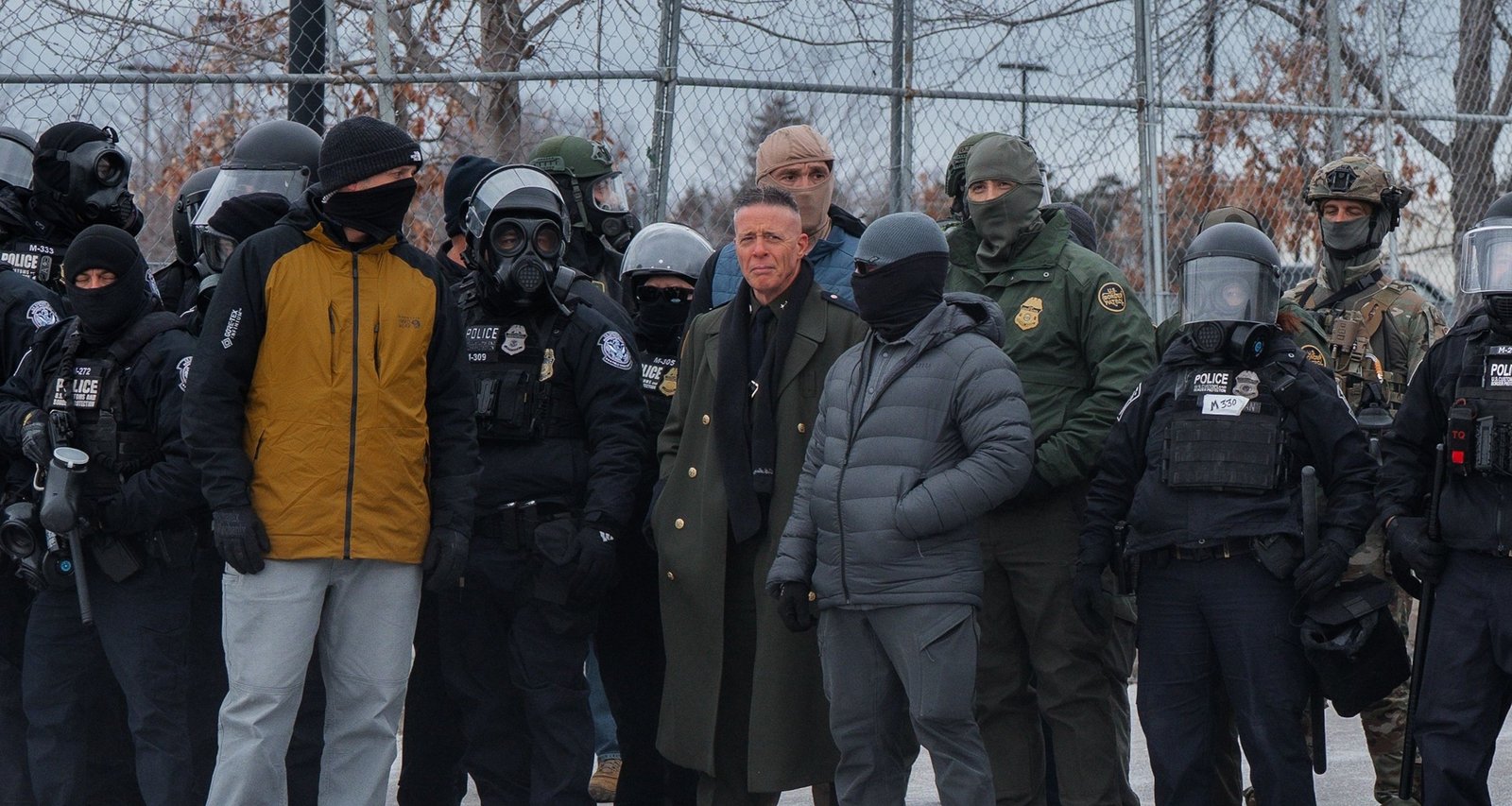
Imagem: Internet
Community activists continue nightly demonstrations, demanding an independent investigation into both shootings and calling for the withdrawal of federal agents. Clashes between protesters and officers have led to multiple arrests and minor injuries, according to Minneapolis Police Department reports. Local officials say they are balancing First Amendment rights with public safety, while federal commanders contend that some demonstrators have thrown projectiles and attempted to breach security barriers.
Legal experts note that the grand jury subpoenas, which seek records rather than personal testimony, may focus on communications among state and local leaders relating to ICE operations, protest response efforts and any directives that could be construed as obstruction. If the grand jury finds evidence of interference, individuals could face charges ranging from obstruction of justice to conspiracy. However, such cases are rare and often difficult to prove, requiring clear documentation that specific actions hindered lawful enforcement.
The subpoenas add a new layer of complexity to an already volatile situation. Minneapolis and St. Paul have frequently been at the center of national conversations about law enforcement and civil unrest since the 2020 killing of George Floyd. While the current dispute involves federal rather than municipal officers, many residents see a familiar dynamic: heavily armed personnel operating in densely populated neighborhoods with limited transparency. Groups such as the American Civil Liberties Union have called for greater oversight and, in a recent statement, urged Congress to examine the deployment of federal agents to U.S. cities (see analysis at the high-authority U.S. Department of Justice website).
For now, federal agents remain active across the Minneapolis metropolitan area, and additional protests are planned for the coming days. State and local leaders must decide how to comply with the document requests while maintaining a public stance against what they describe as federal overreach. The grand jury’s timeline has not been disclosed, but legal observers anticipate a lengthy process that could extend beyond the spring. Until then, the dual investigations into the Jan. 7 fatal shooting and the subsequent wounding of a second individual will continue under intense public scrutiny, with both local residents and national audiences watching for the next development.
Crédito da imagem: Olga Fedorova/EPA/Shutterstock


