That posture has alarmed officials in Copenhagen. Denmark is responsible for Greenland’s defense under longstanding constitutional arrangements, and Prime Minister Frederiksen has said an attack on the territory would effectively dissolve the North Atlantic Treaty Organization. Analysts warn that the current dispute places the alliance under unprecedented strain.
High-stakes agenda
According to foreign-policy specialists, the White House meeting will attempt to determine whether a negotiated settlement is possible. Ian Lesser of the German Marshall Fund noted that the outcome could shape NATO’s future and suggested three broad scenarios: enhanced European commitments to bolster Arctic defenses, preferential U.S. access to Greenland’s mineral sector, or a breakdown that deepens the rift across the Atlantic.
The session follows a series of tense encounters involving the current U.S. administration. In February of last year, talks with Ukrainian President Volodymyr Zelenskyy degenerated into a televised shouting match after Trump and Vance accused Kyiv of insufficient gratitude, raising concerns in European capitals about Washington’s diplomatic approach.
Divisions inside Washington
Diplomats had initially expected Secretary of State Rubio to lead Wednesday’s discussion, viewing him as the voice of a relatively moderated line. However, the White House reassigned the task to Vice President Vance, who has delivered sharp criticism of Denmark in prior public appearances, including remarks at the Munich Security Conference last year. Observers see the personnel change as a signal that the administration is unwilling to soften its position.
Former Swedish Prime Minister Carl Bildt, co-chair of the European Council on Foreign Relations, calls the confrontation a “profound crisis.” In his assessment, it is unlikely the parties will finalize any agreement at this stage, and the best possible immediate result may be an agreement to keep talking.
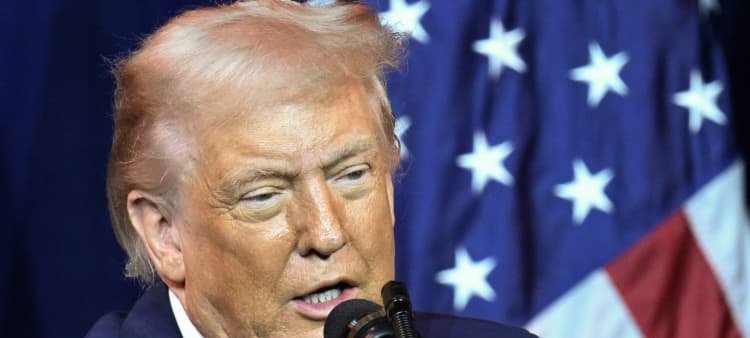
Imagem: Internet
What Copenhagen and Nuuk want
Policy analysts say Denmark and Greenland will aim for a clear U.S. statement affirming Greenlandic sovereignty inside the Kingdom. Otto Svendsen of the Center for Strategic and International Studies argues that anything less could invite continued coercive tactics. In return, the Nordic partners are expected to present proposals that expand economic cooperation, such as improved access for American firms to Greenland’s mining projects and additional Danish investment in Arctic security infrastructure.
The stakes reach beyond government conference rooms. Demonstrations in Copenhagen on March 29 last year drew protesters to the U.S. Embassy, condemning perceived American pressure. Several European Union and NATO leaders have since released a joint letter declaring that decisions about Greenland rest solely with its population and the Danish realm. Signatories included French President Emmanuel Macron, German Chancellor Friedrich Merz, and U.K. Prime Minister Keir Starmer, underscoring broad European support for Copenhagen’s position.
Risks for NATO
With U.S. officials openly contemplating unilateral action, some defense experts argue that the 31-member alliance faces a defining challenge similar to the Suez Crisis of 1956 or the Iraq War split of 2003. If Washington proceeds without consensus, NATO’s collective-defense principle could be tested in ways not seen since its founding, analysts say. The alliance has officially refrained from commenting publicly on the showdown, but Secretary-General Jens Stoltenberg has privately warned capitals that unity is under pressure, according to reports in the Financial Times.
For Greenland, the dispute comes at a time when climate change is accelerating ice melt, exposing mineral deposits and new shipping routes. Nuuk’s government has promoted sustainable development while seeking broader international partnerships that do not compromise autonomy.
Whether Wednesday’s talks produce a formula for easing tensions or end in further acrimony, all parties acknowledge that the outcome will influence Arctic security, trans-Atlantic relations, and global mineral supply chains for years to come.
Crédito da imagem: Ken Cedeno | Reuters


