The State Department has not indicated how long the enhanced review will remain in effect, nor whether similar steps will expand in other high-volume countries. Critics argue the universal approach diverts resources from applicants who present genuine risk, prolonging wait times without clear security gains.
Proposed wage rules raise costs
In a separate move, the Department of Labor (DOL) last week released a draft regulation aimed at increasing the “prevailing wage” that companies must pay H-1B employees. According to immigration consultancy Vialto Partners, the plan would raise salary thresholds across all four DOL wage levels, making sponsorship significantly more expensive. Partners at the firm anticipate a decline in new filings if the rule is finalized.
The Department of Homeland Security (DHS) is also reviewing a complementary proposal that would adjust the annual H-1B lottery. Under the pending framework, entries would be weighted to favor the highest-paid roles, prioritizing petitions offering salaries well above the prevailing wage. Observers believe the two initiatives could effectively price recent graduates and junior professionals out of the program, even in emerging technology sectors where demand for talent remains high.
More than 70 percent of H-1B beneficiaries in recent years have been Indian nationals. Large technology employers—including Amazon, Meta, Microsoft, Tata Consultancy Services and Google—account for thousands of petitions annually, making the sector particularly sensitive to any increase in labor costs or processing delays.
Political debate shapes policy
The stepped-up enforcement arrives amid an election cycle in which foreign labor issues feature prominently. Speaking on Sunday, U.S. Vice President JD Vance said the administration aims “to restrict H-1B visas” because companies should not “bypass American labor.” His comments echoed earlier actions by President Donald Trump, who sought to raise the application fee for new H-1B petitions to $100,000.
Industry groups pushed back. The U.S. Chamber of Commerce filed suit in October to block the fee increase, calling it punitive and harmful to competitiveness. Attorneys general from 20 states, including California and New York, launched similar legal challenges this month. They argue that steep fees and higher wage floors would limit innovation and drive skilled foreign workers to competing destinations such as Canada or the United Kingdom.
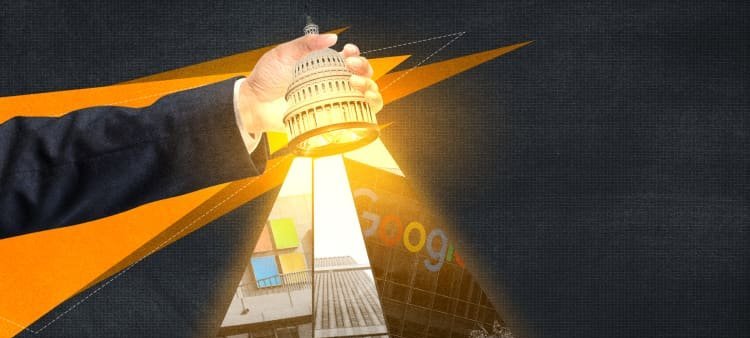
Imagem: Internet
Policy analysts note that prior fee hikes, combined with pandemic-era travel restrictions, slowed hiring and reduced the foreign talent pipeline. In response, some firms boosted training programs for U.S. graduates and partnered with universities to expand domestic recruitment. Nonetheless, specialists maintain that shortages persist in fields such as artificial intelligence, cybersecurity and semiconductor design.
Practical effects for applicants
For the moment, the most visible impact remains the sudden reshuffling of interview slots in India. H-1B holders on holiday visits report difficulty rebooking flights while they await new appointment dates. Employers, meanwhile, face uncertainty over project staffing and may incur costs to transfer work or pay contractors as projects stall.
Legal advisers recommend that travelers monitor consular updates closely and consider postponing trips abroad until the scheduling backlog clears. Companies planning to file new H-1B petitions during next year’s lottery, which opens in March, are reassessing salary offers in anticipation of the potential wage rule and weighted selection system.
Outlook
The Department of Labor’s wage proposal is open for public comment, a process that typically spans several months. DHS has not provided a timeline for finalizing the weighted lottery. Until clear guidance is issued, immigration experts expect continued volatility in processing times and a cautious approach from employers contemplating sponsorship.
Additional background on H-1B policy and prevailing wage calculations is available from the U.S. Department of Labor, which maintains detailed regulatory updates.
Crédito da imagem: Dado Ruvic / Reuters


