Roles across finance and philanthropy
At 63, Rothschild sits on multiple financial boards. She is a director of RIT Capital Partners—formerly Rothschild Investment Trust—and Windmill Hill Asset Management, and serves at Five Arrows, the alternative assets division of Rothschild & Co. She leaves day-to-day investment decisions to professional managers but disclosed that her personal portfolio includes about 10 percent in gold and 1 percent in cryptocurrencies, an asset class she admits she “doesn’t fully understand.”
Her core focus remains philanthropy. As chair of the U.K.-based Rothschild Foundation, she oversees programs in arts and culture, local community support and environmental initiatives. A flagship project is the conservation of Waddesdon Manor in Buckinghamshire, a French Renaissance-style château that houses an extensive art collection and welcomes nearly 400,000 visitors annually. The foundation funds restoration work, exhibitions and educational outreach designed to highlight the historical importance of the site.
Rothschild also heads Yad Hanadiv, the family foundation operating in Israel. Current priorities include strengthening public education and expanding vocational opportunities for the country’s Arab minority. She emphasized that the organization was established to serve “everybody, regardless of religion or creed,” a principle that continues to guide grant-making decisions.
Maintaining a 250-year network
The Rothschild banking dynasty dates to the 1760s, when Mayer Amschel Rothschild sent his five sons from Frankfurt to major European capitals to build an early multinational finance house. That strategy of geographic spread and constant communication created one of the world’s first international banking networks. According to Encyclopaedia Britannica, the family’s coordinated approach allowed it to finance governments and large infrastructure projects throughout the 19th century.
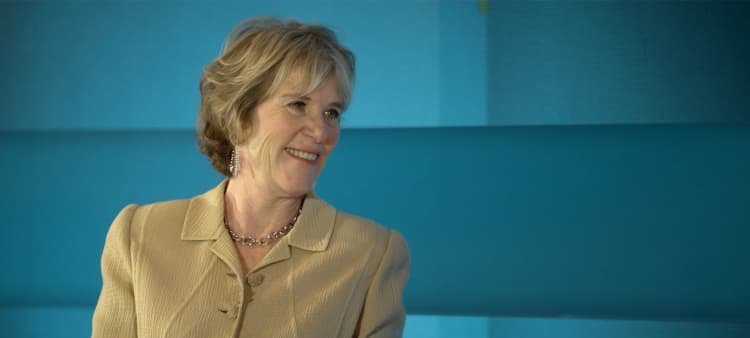
Imagem: Internet
Hannah Rothschild credits the dynasty’s durability to a simple principle: togetherness. While outside expertise now drives most commercial operations, family members continue to share information, align on strategic goals and observe what she describes as an internal “code of discretion and thoughtfulness.” Networking, she added, has always been integral. Earlier generations understood that relationships were forged not only in boardrooms but also in social settings—from ballrooms to fox hunts. When the Rothschilds were once excluded from certain hunting parties, they bought land and hosted their own events, reinforcing both social standing and business connections.
Succession and the next generation
Managing family sensitivities is the most challenging aspect of her role, Rothschild said. Opinions differ across branches and age groups, requiring continuous dialogue and adjustments to governance structures. As the senior member of her generation, she views her primary duty as educational: ensuring that younger relatives understand the breadth of the legacy and the expectations that accompany it.
“My hopes for the Rothschild legacy are that we continue to use our tremendous privilege, the money we’ve made, the good name we’ve fostered, to help other people, way beyond our own family,” she said. That goal, she noted, aligns with the broader mission that has guided the dynasty since its inception: combining commercial success with public benefit.
Crédito da imagem: CNBC


