Public release of the unclassified portion of the watchdog’s findings is expected Thursday. The Pentagon has not issued a formal statement addressing the conclusions.
The Signal thread at the heart of the inquiry first came to light when The Atlantic reported in March that a group chat titled “National Security Squad” included Hegseth, Vice President JD Vance, and then–national security adviser Mike Waltz. Waltz inadvertently added journalist Jeffrey Goldberg, providing the publication with real-time visibility into the discussion.
Messages in the chat outlined the upcoming operation in striking detail. Hegseth described the planned use of F-18 fighter aircraft and Tomahawk cruise missiles, specified target sets under Houthi control, and wrote in capital letters, “THIS IS WHEN THE FIRST BOMBS WILL DEFINITELY DROP,” identifying 14:15 military time for the opening salvo. Comparable details were reportedly forwarded in a second Signal group that included his spouse.
The strike unfolded on 15 March, mirroring the timeline discussed in the chat. U.S. aircraft hit multiple sites across Yemen, destroying missiles, radar installations, and air-defense systems linked to the Iranian-backed rebel group. No American casualties were reported.
In the days that followed, Hegseth and chief spokesperson Sean Parnell repeatedly insisted that no classified information had been shared. On 20 April, Parnell wrote on X that “there was no classified information in any Signal chat.” CIA Director John Ratcliffe and Director of National Intelligence Tulsi Gabbard separately testified before Congress that they viewed the messages as unclassified. Those assertions now stand in contrast to the inspector general’s determination.
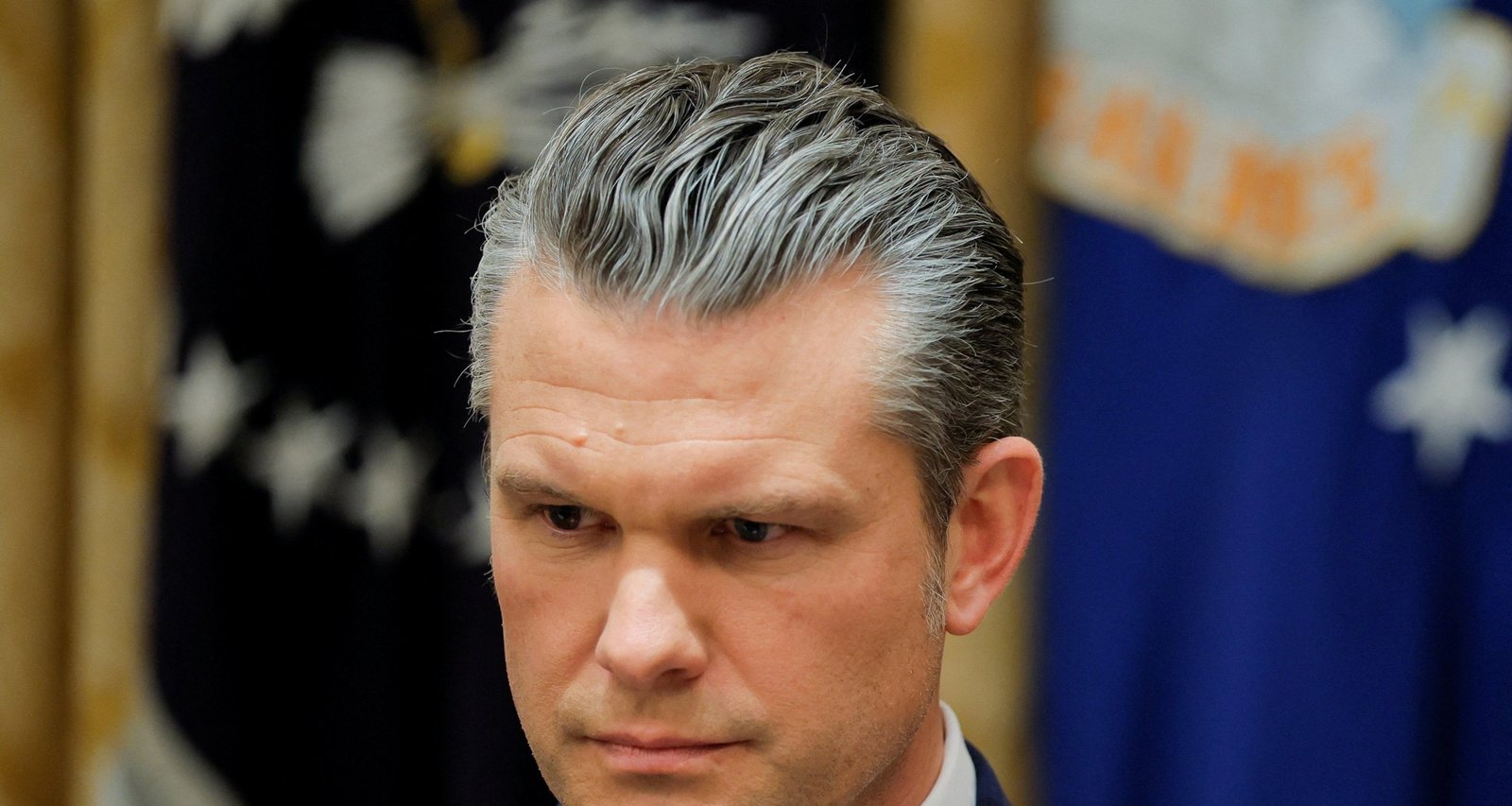
Imagem: Internet
Lawmakers from both parties requested the probe soon after the messages became public. Senate Armed Services Committee Chairman Roger Wicker said at the time that the material appeared “of such a sensitive nature that, based on my knowledge, I would have wanted it classified.” Ranking Democrat Jack Reed joined Wicker in the formal referral.
The investigation also scrutinized Hegseth’s refusal to meet face-to-face with investigators. While the secretary answered written questions, the watchdog found that the absence of an oral interview limited its ability to assess his decision-making process. The report nonetheless concluded that transmitting the strike plan over Signal represented a deviation from established protocols requiring secure, government-managed communication channels for operational information.
Use of commercial encrypted apps has prompted broader security discussions inside the Pentagon. The Defense Information Systems Agency warns that, although platforms such as Signal provide end-to-end encryption, they remain outside Defense Department oversight and are not cleared for classified traffic. Additional guidance on acceptable digital communication methods is available on the Office of Inspector General’s official site.
It remains unclear whether Hegseth will face administrative action. The inspector general lacks direct disciplinary authority and has forwarded its findings to Defense Department leadership for review. Any decision on sanctions would rest with the Office of the Secretary of Defense or, ultimately, the White House.
For now, the watchdog’s report underscores a central conclusion: sharing real-time operational details over an unsecured commercial application posed a tangible risk to service members preparing to execute a complex strike in hostile territory.
Crédito da imagem: Brian Snyder/Reuters


