Color Range and Bloom Duration
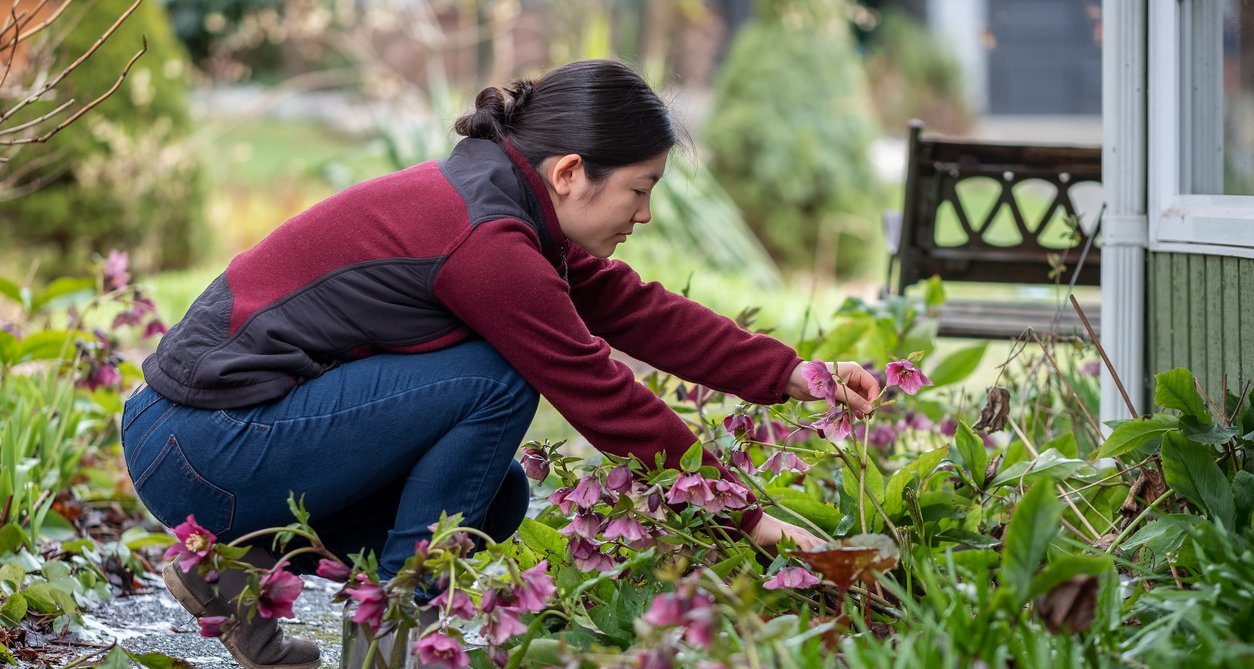
The cup-shaped flowers appear in a broad palette, spanning pure white, pink, burgundy, chartreuse, and nearly black hues. Petal patterns vary as well, with solid, speckled, and striped options available through nurseries and garden centers. Once buds open, individual flowers commonly persist for a month or longer before drying on the stem. After the bloom period ends, substantial leathery foliage fills the space, staying green year-round in temperate regions and only turning brown in the coldest zones. This evergreen habit helps maintain visual interest long after most spring flowers have faded.
Site Selection and Light Requirements
The best planting locations provide partial shade, receiving direct sun for under half the day during summer. Areas underneath deciduous trees are ideal because bare branches allow more light in winter and early spring, while leafy canopies protect plants from intense midsummer sun. Full-sun sites can still work in the cool months, but prolonged exposure to strong sunlight after June may scorch foliage, particularly in hot climates.
Soil Preferences and Spacing
Good drainage is critical. Hellebores dislike soggy roots, so gardeners should avoid low-lying spots where water collects. Amending heavy clay with compost or coarse sand improves percolation and overall soil structure. When planting several specimens, arranging three to six plants in a cluster and spacing each group 18 to 24 inches apart creates an attractive mass while giving roots sufficient room to spread.
Watering and Maintenance
Newly set transplants need consistent moisture until they establish, typically over the first few weeks. After that period, hellebores demand little attention except during prolonged heat or drought. In such conditions, deep watering once or twice a week keeps plants healthy. Fertilizer is usually unnecessary; however, a spring application of balanced, slow-release nutrients can support vigorous growth, especially in nutrient-poor soils. Deadheading is optional—some gardeners remove spent flowers for tidiness, while others allow them to remain because the drying petals still add texture.
Companion and Alternative Early-Season Plants
Hellebores are not the sole candidates for spring planting, but they are unmatched for speed from ground to bloom when installed in April. Gardeners looking to diversify color and height can add cool-tolerant annuals such as pansies or violas in March, or perennials like creeping phlox and bleeding heart at roughly the same time hellebores go in. These combinations extend the flowering window, offering layered interest from late winter through early summer.
Planting Steps at a Glance
- Select a location with morning sun and afternoon shade or filtered light beneath deciduous trees.
- Ensure soil drains well; incorporate organic matter if necessary.
- Dig a hole twice as wide and equal in depth to the root ball.
- Set the plant so the crown sits level with the soil surface.
- Backfill, firm gently, and water thoroughly to eliminate air pockets.
- Mulch lightly to conserve moisture while keeping material away from the crown to deter rot.
Why April Works
Planting in April aligns with soil temperatures rising above freezing but before intense summer heat arrives. Roots adjust quickly in cool, moist conditions, and the plant’s natural bloom cycle means buds are often already forming by the time it is set in the ground. In many regions, this schedule results in flowers opening within weeks, giving gardeners an almost immediate payoff.
Long-Term Expectations
Once established, hellebores can persist for decades with minimal care, gradually forming larger clumps that may be divided every few years if space becomes limited. Their longevity, combined with early blooming and diverse coloration, makes them a sound investment for anyone seeking fast yet lasting spring interest. For gardeners who missed autumn bulb deadlines—and for those simply wanting more variety—hellebores deliver dependable color at a point in the season when most landscapes are still waking up.