Security was tight outside the courthouse. Police erected barriers, conducted identification checks and closely managed entry for reporters and the small number of supporters who had queued to witness the proceedings. Unlike earlier high-profile democracy trials that drew large crowds, only a muted group gathered, reflecting both the restrictive environment and the ongoing crackdown on dissent.
Lai’s wife, Teresa, left the courtroom visibly distressed after watching her husband receive the sentence. Family members have expressed repeated concern about the publisher’s health, noting that time behind bars for a man approaching 80 could prove fatal. Son Sebastien Lai said the decision was “heartbreaking” and reiterated the family’s hope that diplomatic intervention might secure his father’s release.
Lai holds British citizenship, and the United Kingdom has pressed for his freedom. Foreign Secretary Yvette Cooper called for humanitarian consideration, while officials in London pledged to step up engagement with Beijing. In Washington, U.S. Ambassador to China David Perdue confirmed that Lai’s case continues to feature in bilateral discussions. President Donald Trump, who is scheduled to visit China in April, previously asked President Xi Jinping to review the matter.
The 20-year term constitutes the harshest sentence imposed since the National Security Law came into force. Convictions under the legislation have steadily increased, with authorities using the statute to pursue activists, lawmakers and journalists. Human rights organizations contend that the law’s broad definitions allow authorities to criminalize peaceful expression. Human Rights Watch described Lai’s punishment as tantamount to a “death sentence” given his age, while Amnesty International said the ruling highlights Hong Kong’s transformation “from rule of law to rule by fear.” A detailed overview of concerns raised by rights advocates can be found on the Human Rights Watch website.
Officials in Hong Kong and Beijing defended the judgment. Chief Executive John Lee said Lai “deserved” the outcome because his activities threatened national security, and China’s foreign ministry labeled the penalty “legitimate and reasonable.” Authorities maintain that the law is essential to restore stability after the mass protests of 2019, rejecting criticism that it undermines the autonomy promised under the “one country, two systems” framework.
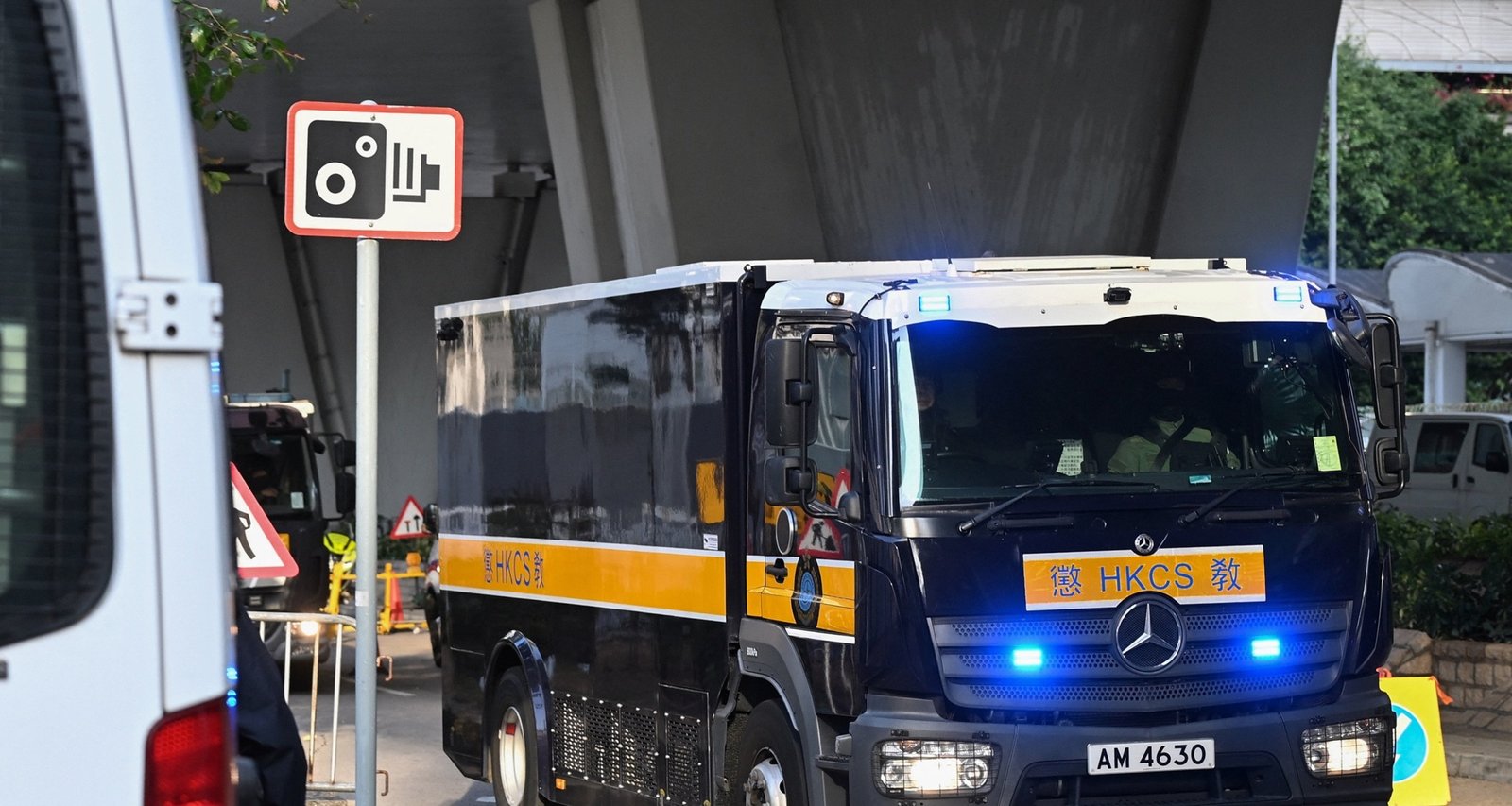
Imagem: Internet
Lai’s supporters argue that the media mogul’s conviction sends a chilling signal to the city’s remaining independent outlets and continues the dismantling of civic space. Since the National Security Law’s enactment, multiple newsrooms have closed, activists have been jailed or have fled abroad, and public demonstrations have all but disappeared. Analysts note that Lai’s stature as an outspoken billionaire publisher made him a symbolic target for both local and mainland authorities seeking to deter future dissent.
The case also illustrates the complexities of Hong Kong’s judicial system under the security law. Judges designated to hear national security matters are hand-picked by the city’s chief executive, and jury trials can be waived. Critics contend that these provisions compromise judicial independence, while officials insist that due process remains intact. The court’s written judgment emphasized that the severity of Lai’s offenses warranted a lengthy custodial term to serve as a deterrent effect.
Attention now turns to potential avenues for appeal and to whether international pressure could affect Lai’s situation. Legal experts say he can challenge the verdict in Hong Kong’s Court of Appeal, but success rates for national security appeals have been limited. Observers will watch closely whether Beijing signals flexibility ahead of anticipated diplomatic engagements with both London and Washington this spring.
For now, Lai will remain at Stanley Prison, a maximum-security facility on Hong Kong Island. His legal team has not disclosed specific health details but says regular medical monitoring is essential. Family members continue to campaign for his release, warning that the combination of advanced age and lengthy incarceration poses severe risks.
The sentencing of Jimmy Lai underscores the deepening divide between Hong Kong authorities and Western governments over civil liberties in the territory. As the international community weighs its response, the case is set to remain a focal point in broader debates about press freedom, human rights and the evolving relationship between Beijing and global partners.
Crédito da imagem: AFP via Getty Images