Even as House members cast their ballots, a bipartisan working group of senators and representatives met over lunch to explore a narrower compromise. Participants said they had reached agreement on provisions to curb fraud, including the creation of safeguards against so-called phantom accounts, and indicated that draft text could be ready within days. However, they acknowledged that divisive issues remain, particularly whether any new measure must explicitly reaffirm Hyde Amendment language prohibiting federal funding for abortion services. While conservatives want the language spelled out, several moderates said existing ACA statutes already prevent federal dollars from paying for abortions.
Cost and Coverage Estimates
An analysis by the Congressional Budget Office projects that the House-passed bill would raise the federal deficit by approximately $80.6 billion over the next decade. The CBO estimates that, if enacted, the policy would increase the number of insured Americans by 100,000 in 2026, 3 million in 2027, 4 million in 2028, and 1.1 million in 2029 compared with current law. In 2028 alone, 6.2 million additional people would obtain marketplace coverage, 400,000 would enroll in Medicaid or the Children’s Health Insurance Program, 500,000 fewer would purchase nongroup plans outside the exchanges, and 2.1 million fewer would rely on employer-sponsored insurance.
The enhanced tax credits were originally expanded under pandemic relief legislation to increase subsidy amounts for those who already qualified and to open eligibility to higher-income households. Supporters argue that allowing the credits to lapse has triggered substantial premium hikes in 2026, particularly for middle-income families who do not receive employer coverage. Opponents counter that the temporary pandemic policy should not become a long-term entitlement without offsetting budget cuts or structural reforms.
Political Dynamics in the House
House passage was preceded by weeks of intraparty maneuvering. Speaker Mike Johnson had resisted scheduling a vote, but a group of four Republicans—Brian Fitzpatrick, Mike Lawler, Dan Bresnahan and Lisa Mackenzie—signed a Democratic discharge petition in December, forcing floor consideration and drawing criticism from GOP leadership. Ultimately, 17 Republicans voted in favor Thursday, breaking ranks with party leaders who argued that extending the credits would undercut ongoing negotiations over a broader health-care package.
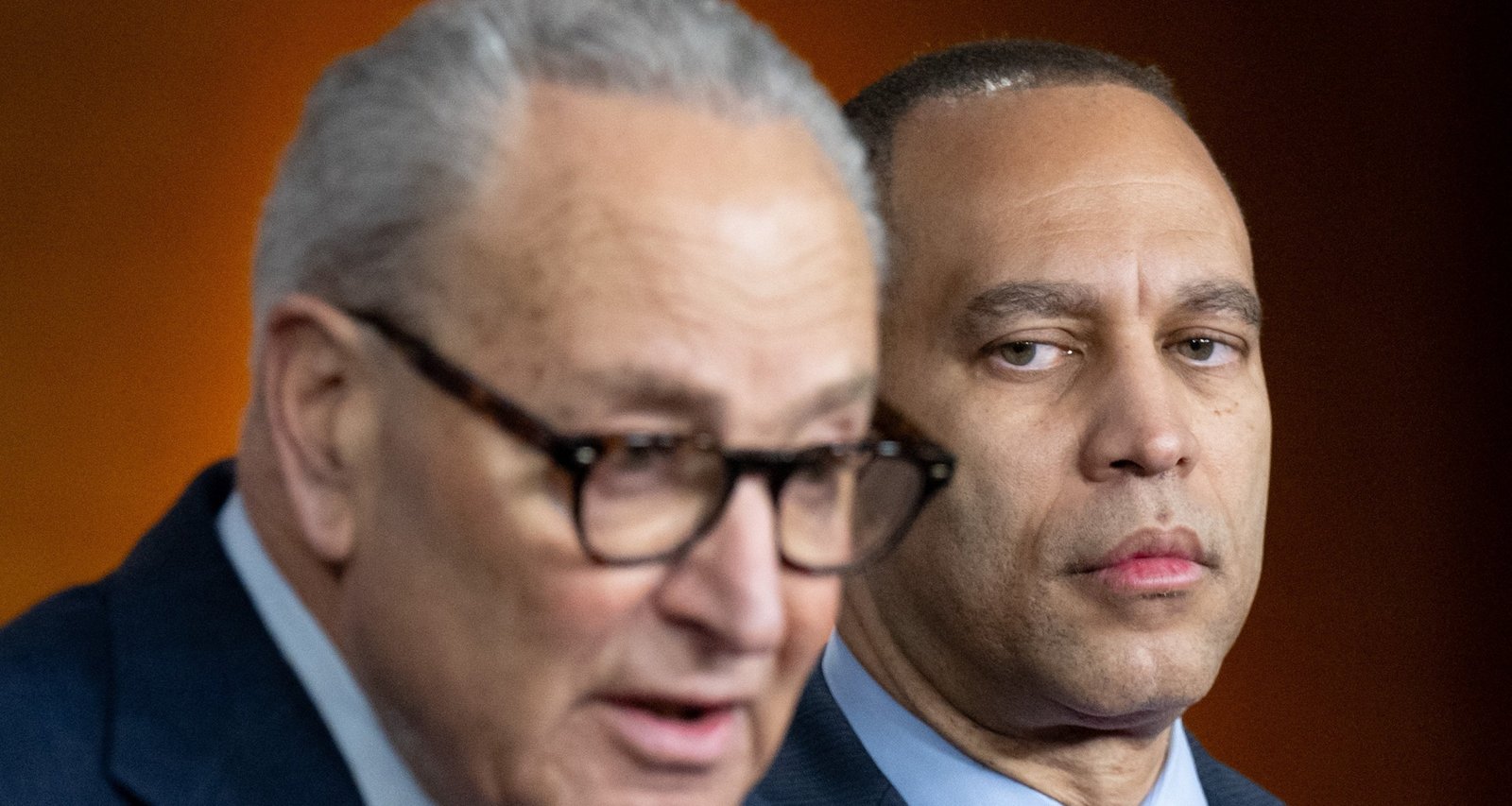
Imagem: Internet
Minority Leader Hakeem Jeffries praised the bipartisan outcome, calling it a “step toward lowering costs for everyday Americans.” Democratic leaders highlighted that the vote arrived amid rising consumer concerns about health-care expenses and that delaying action risked additional premium spikes during the 2026 enrollment period.
White House and Former President Weigh In
Former President Donald Trump publicly opposed the extension in December, saying he preferred lawmakers focus on comprehensive reforms rather than short-term fixes. The Biden administration has not issued a formal veto threat against the House bill, but administration officials have emphasized the importance of preserving the expanded assistance to maintain marketplace stability.
Next Steps
Senators involved in the bipartisan talks did not set a firm timeline for introducing new text but signaled urgency, describing discussions as close to completion. Any Senate measure would need to reconcile cost concerns, anti-fraud protections, and abortion funding language before facing another vote. If senators amend the House bill, both chambers would have to agree on identical text before the extension could be sent to the president’s desk.
For now, marketplace enrollees affected by the subsidy lapse face higher monthly bills, and insurers say uncertainty over federal assistance complicates rate-setting for future coverage years. Industry analysts warn that prolonged delay could prompt some consumers to drop coverage altogether, potentially reducing marketplace enrollment and raising premiums further for those who remain.
Crédito da imagem: Saul Loeb/AFP via Getty Images


