Earlier in the day the House cleared a procedural hurdle on similar terms, paving the way for floor consideration. Minority Leader Hakeem Jeffries and other Democratic leaders opposed the rule and the final bill, arguing that the two-week DHS extension diluted leverage for broader negotiations on immigration enforcement reforms.
Scope of the funding
The legislation fully funds five departments:
- Department of Defense, including appropriations for military personnel, operations and procurement
- Department of Education
- Department of the Treasury
- Department of Labor
- Department of State
Funding for the Transportation Security Administration, U.S. Coast Guard, Customs and Border Protection, the U.S. Secret Service, Cybersecurity and Infrastructure Security Agency and the Federal Emergency Management Agency remains contingent on the separate DHS appropriation. Those agencies continue operating under the two-week extension; without a subsequent agreement, they would face a lapse in appropriations on Feb. 14.
Immigration and Customs Enforcement (ICE) would continue normal operations regardless of the Feb. 13 deadline. ICE previously received a distinct $75 billion allocation in the so-called “Big Beautiful Bill,” approved earlier in the 119th Congress.
Origins of the impasse
The dispute over DHS funding intensified after the Jan. 24 shooting death of Alex Pretti, an intensive care nurse killed during a federal law-enforcement operation in Minneapolis. House Democrats have pressed for restrictions on ICE field activities, including a mandate that agents wear activated body cameras and avoid face coverings while conducting enforcement. Negotiators remain divided on whether those requirements will appear in the long-term DHS bill.
The current measure separates DHS funding from the other five departments, an approach negotiated by Senate Minority Leader Chuck Schumer and White House officials. That strategy drew complaints from progressive Democrats, who contend the structure weakens their bargaining position, and from hard-line Republicans, who argued that the split gives Democrats extra influence over immigration policy.
Hard-line GOP maneuvers
On the Republican side, a bloc of conservatives threatened to stall the package unless leaders agreed to attach the SAVE Act, legislation that would require documentary proof of citizenship to vote in federal elections. Representatives Anna Paulina Luna of Florida and Tim Burchett of Tennessee, among others, eventually relented after leadership promised separate consideration of the proposal later in the session.
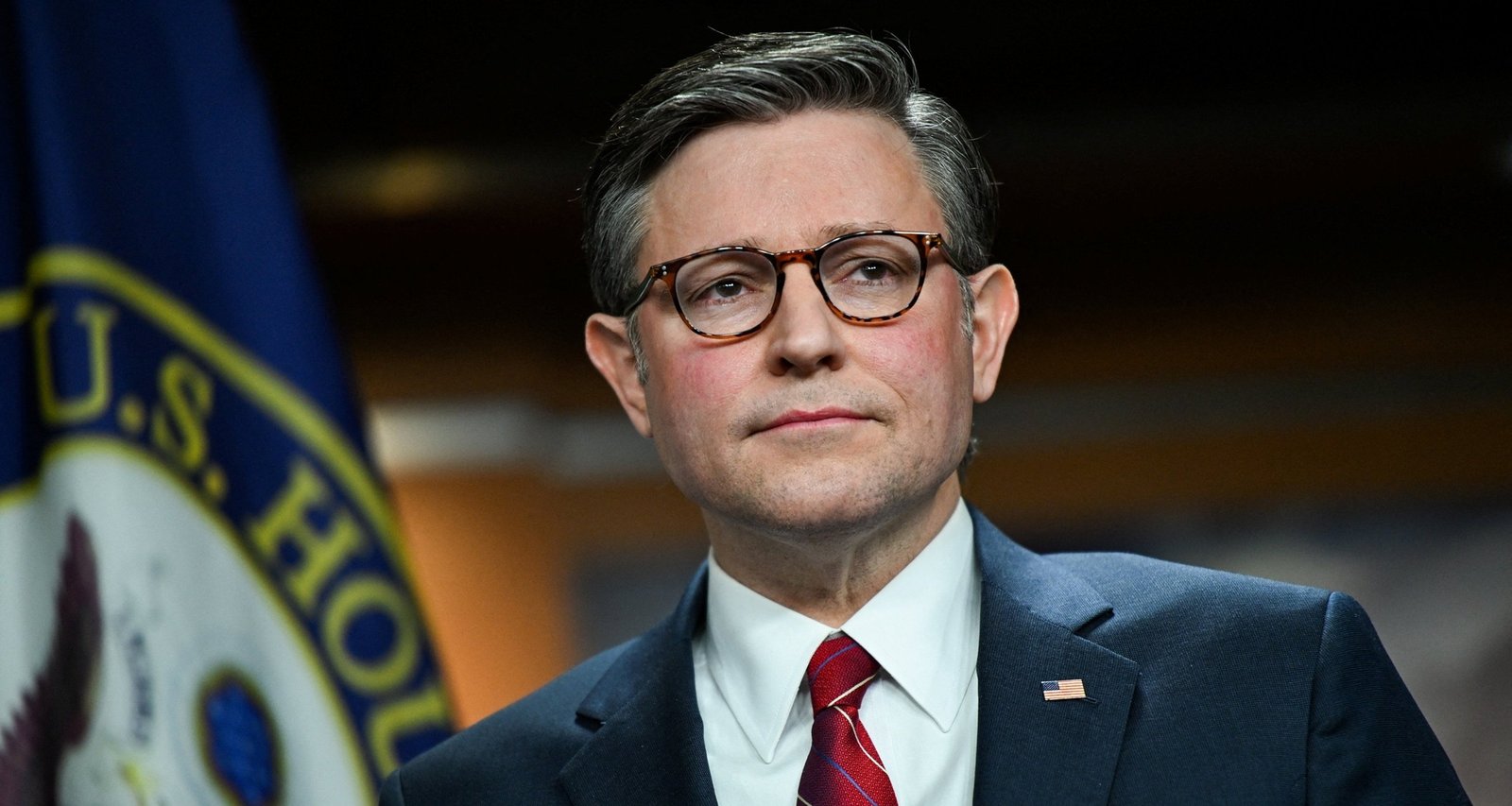
Imagem: Internet
Despite those concessions, conservative groups outside Congress criticized the bill for advancing without stronger border security language. Supporters of the package countered that the two-week DHS extension leaves room to negotiate additional enforcement provisions before mid-February.
Next steps and potential consequences
With House passage secured, the legislation moves to the White House. President Trump has publicly backed the deal, making enactment likely once the bill reaches his desk. If signed, activities that halted when the partial shutdown began at 12:01 a.m. Saturday—including some contract processing and grant-making functions—would resume.
Unless an agreement on DHS spending is enacted by Feb. 13, the department will enter a separate shutdown affecting roughly 250,000 employees. Historically, essential law-enforcement personnel such as Border Patrol agents and Transportation Security screeners work without pay during a lapse, while many administrative staff are furloughed. An analysis by the Government Accountability Office indicates that previous DHS shutdowns have disrupted hiring, delayed maintenance projects and increased costs after operations restart.
Political dynamics ahead
Senate consideration will likely begin within days, where leaders of both parties have signaled support for keeping the five departments funded for the fiscal year. The more contentious debate will focus on the forthcoming DHS bill, especially the scope of ICE oversight and the possible inclusion of technological upgrades at ports of entry.
In the House, Speaker Johnson faces continued pressure from the narrow Republican majority. Any defections from his caucus will force him either to court Democratic votes or risk a lapse in Homeland Security funding. Minority Leader Jeffries has reiterated that Democrats will insist on “meaningful accountability” for immigration enforcement in exchange for supporting any long-term DHS package.
Should negotiations fail and DHS funding expire, the partial shutdown would shift from the five agencies covered this week to the department at the center of the dispute. That scenario could compound the operational and political fallout already generated by the brief interruption that began Saturday.
For now, the House vote offers a temporary reprieve to hundreds of thousands of federal employees and contractors whose agencies faced immediate funding shortfalls. How long that reprieve lasts depends on bipartisan talks set to resume almost immediately, with the next funding deadline only ten days away.
Crédito da imagem: Rahmat Gul/AP