White House dismisses claims of wrongdoing
Press secretary Karoline Leavitt told reporters last week that e-mail exchanges already released by House Democrats “prove absolutely nothing” and show “President Trump did nothing wrong.” According to the administration, none of the civil-court filings or evidence introduced in the trial of Ghislaine Maxwell have contained allegations implicating the president.
Trump, speaking to supporters on Saturday, labeled the document release effort a partisan “hoax” and said “some foolish Republicans” had allowed themselves to be drawn into what he described as a political trap.
Marjorie Taylor Greene emerges as an internal critic
The debate has also intensified a long-running feud between Trump and Rep. Marjorie Taylor Greene, R-Ga., who argues that the current administration has drifted away from the “America First” priorities that energized Grass-roots conservatives in 2016 and 2020. Greene has cited the proposed release of the Epstein files as a key test of whether the party still stands for accountability.
Her disagreements with the president go beyond the current bill. In recent months she has criticized White House attention to foreign policy over domestic priorities, objected to a U.S.-backed financial rescue package for Argentina, opposed the administration’s position on H-1B visas and faulted Republican leadership for lacking a clear health-care strategy during budget negotiations.
Even so, Greene insists that the present dispute was triggered primarily by her support for full disclosure of the Epstein materials. In public comments on Sunday, she questioned whether the president still embodies the MAGA movement that first vaulted him into office, citing rising costs of living and higher insurance premiums as issues that should take precedence over overseas commitments.
Procedural hurdles ahead
If the bill clears the House, it would next move to the Senate, where Democratic leadership has not indicated when or whether a vote might occur. Should both chambers approve the measure, Trump could veto it. Overriding a presidential veto would require a two-thirds majority in each chamber—a high bar that would demand significant bipartisan coordination.
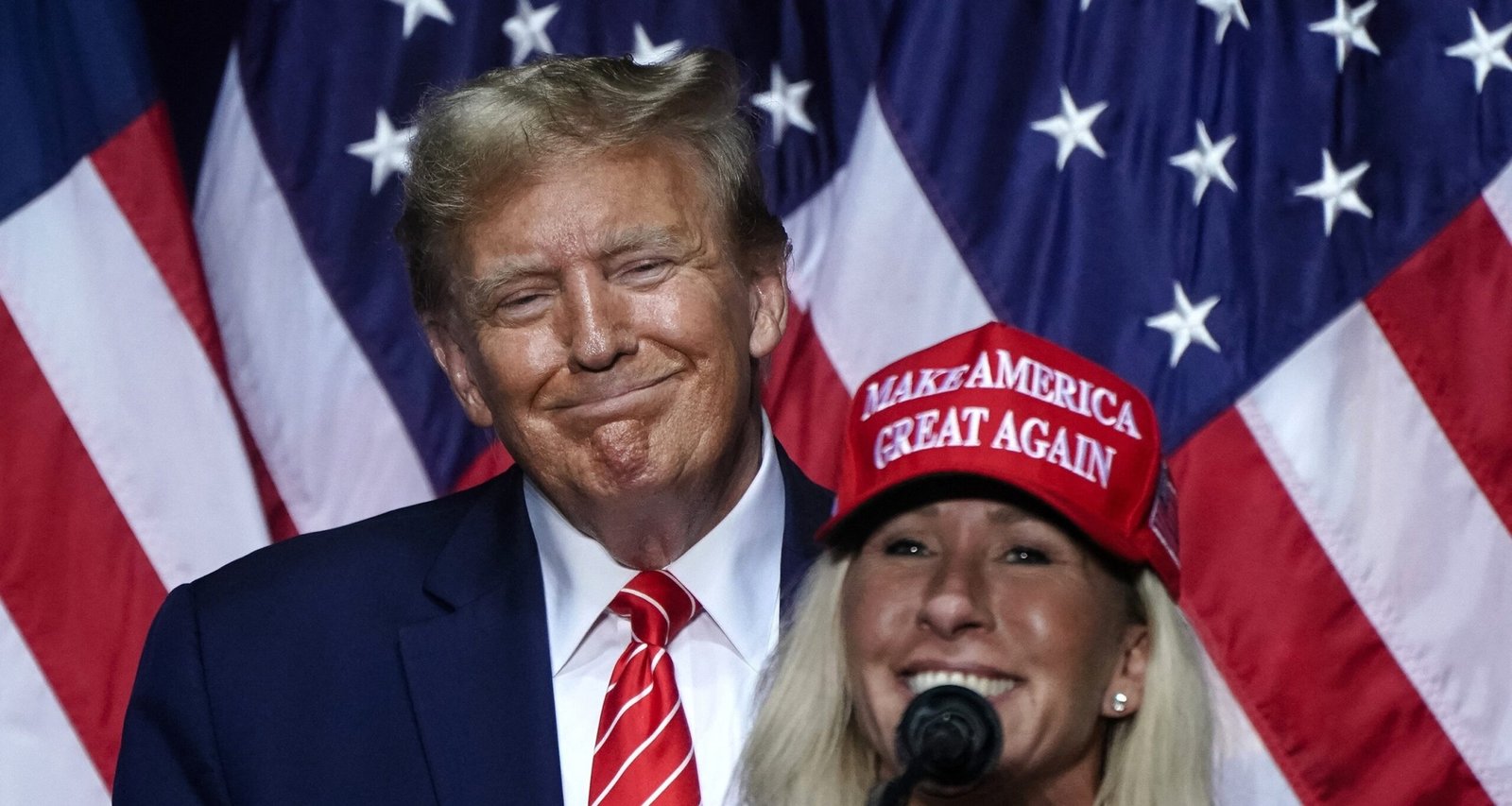
Imagem: Internet
The Department of Justice has so far released limited information under civil discovery rules, but much of the investigative record remains sealed. Advocates for disclosure argue that public confidence in the justice system is best served by full transparency, especially in a case involving a high-profile defendant and a network of influential associates. Critics contend that releasing sensitive files could compromise ongoing matters or expose personal data unrelated to any alleged crimes.
According to the Department of Justice, criminal investigative files are generally exempt from mandatory release under the Freedom of Information Act unless Congress enacts legislation specifically directing disclosure, making the current House effort a direct challenge to long-standing executive-branch prerogatives.
Implications for the post-Trump Republican landscape
The looming vote offers a snapshot of how the Republican Party might function once Trump is no longer in office. Lawmakers weighing their options must decide whether short-term loyalty to the president outweighs potential long-term political costs if future primary voters view a “no” vote as shielding wrongdoing.
Massie, speaking on national television, framed the choice succinctly: Republicans can accept presidential cover now or stand with constituents who expect openness from their elected officials. While Democrats are expected to support the measure nearly unanimously, the final outcome will hinge on how many Republicans join them.
For the president, the dispute represents a rare instance in which members of his core political base are willing to break publicly with the White House. For critics within the party, it is an opportunity to redefine what “America First” means in practice. The coming vote, therefore, is not only about the Epstein files but also about the future shape of Republican politics in a post-Trump era.
Crédito da imagem: Elijah Nouvelage/AFP via Getty Images


