Recurring Concerns About Digital Overreach
The episode added to a series of disputes involving India’s technology policy. In 2023, a breach in the national COVID-19 vaccination database triggered questions about inadequate safeguards. Although the Health Ministry initially denied any leak, authorities later confirmed the vulnerability and said the source had been identified.
Critics argue that policy measures have frequently targeted end-user devices instead of systemic vulnerabilities. Legal specialists note that combating online fraud generally demands tighter controls in financial networks and stronger verification steps for SIM cards, rather than compulsory software on phones.
Industry representatives also criticized the lack of consultation before the Sanchar Saathi order. According to local media reports, several smartphone makers said they had not been briefed and raised technical concerns. Reuters reported that Apple intended to convey apprehensions about potential security flaws to officials in New Delhi. Both the Telecommunications Department and the Ministry of Electronics and Information Technology did not reply to requests for comment.
Free-Speech Tensions With Social Platforms
The debate over digital rights in India extends beyond device policies. In March, the platform X, formerly Twitter, filed suit against the Indian government after being told to remove content. Despite the legal challenge, authorities in May asked for the blocking of 8,000 additional accounts, including those belonging to international news outlets. The company later said it received another directive in July to disable more than 2,300 accounts; the government denied issuing fresh orders.
In a ruling viewed as a setback for platform operators, an Indian court dismissed X’s challenge, reinforcing the government’s power to direct content removal. Analysts at the International Association of Privacy Professionals note that governments globally are seeking greater leverage over data held by private companies, balancing national-security aims with privacy risks.
New SIM-Binding Rule Raises Additional Questions
While the Sanchar Saathi reversal dominated headlines, another regulation announced last week could have broader implications. Under a new SIM-binding requirement, messaging services must ensure that each account remains linked to a single, active SIM card. If the card is removed, deactivated or used abroad, the messaging account must stop functioning.
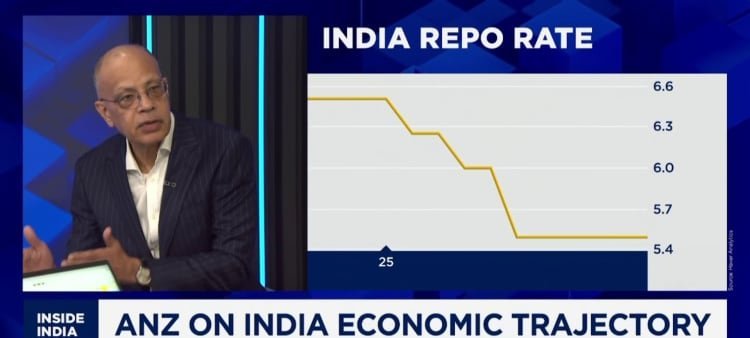
Imagem: Internet
The policy, intended to deter scams conducted with stolen or inactive numbers, obliges platforms to log users out of web sessions every six hours and to complete full compliance within 90 days. The Broadband India Forum, whose membership includes Google, Meta, Amazon and Samsung, said the mandate would disrupt legitimate users while offering limited benefit against organized fraud. Legal experts echoed that view, warning that the measure could complicate everyday communication without addressing channels such as SIM swaps, mule bank accounts and remote-access scams.
Economic Context for a Global Tech Market
India hosts one of the world’s largest user bases for U.S. technology firms and represents a key growth market for smartphone vendors. Regulatory shifts therefore carry worldwide significance. Though local authorities emphasize consumer protection, multinational companies continually weigh compliance costs against market opportunities.
The broader economic backdrop remains positive. Official data show that gross domestic product expanded 8.2% year on year in the July–September quarter, beating forecasts despite higher U.S. tariffs on certain exports. However, industrial activity moderated in October, with overall production rising only 0.4% as manufacturing, mining and electricity output slowed.
Meanwhile, the rupee has touched record lows against the U.S. dollar, and the Reserve Bank of India is scheduled to review interest rates on December 5. Analysts are divided on whether recent growth will deter a widely expected quarter-point rate cut in December.
What Comes Next
For now, the government has stepped back from preinstalling Sanchar Saathi, but the episode highlights ongoing tension between New Delhi’s security objectives and demands for privacy, transparency and industry consultation. With the SIM-binding directive still on course and high-profile content disputes unresolved, technology companies and civil-liberty groups are preparing for further negotiations over the contours of India’s rapidly evolving digital landscape.
Crédito da imagem: Hindustan Times via Getty Images


