JPMorgan Chase, whose chief executive previously described private-credit risks as “hiding in plain sight,” now says structural forces are keeping demand intact. In its Alternative Investments Outlook 2026, the bank argues that middle-market companies, infrastructure developers and asset-backed borrowers continue to rely heavily on non-bank lenders.
Goldman Sachs estimates that private credit has become a multi-trillion-dollar asset class and is now a core allocation for pension funds, insurers and endowments. The bank noted that a cluster of U.S. auto-sector defaults in September 2025 rekindled bubble concerns, but it sees the delinquencies as borrower-specific rather than systemic. Supply-and-demand imbalances, particularly around sponsored transactions, continue to favor lenders, Goldman added.
The industry’s expansion is rooted in post-2008 banking reforms that imposed higher capital charges and stricter risk weighting on traditional institutions. Those rules made it more costly for banks to hold riskier corporate loans, encouraging many to step back from leveraged or bespoke financing. Private-credit funds have moved quickly to fill the gap, reinforcing perceptions that the asset class has become an essential component of the broader financial system.
Growing Signs of Strain
While fundraising remains robust, indicators of borrower stress are becoming more pronounced. High policy rates have boosted interest expenses, and Goldman Sachs calculates that about 15 percent of private-credit borrowers now generate insufficient cash flow to cover interest. Many others operate with limited buffers, raising the possibility of additional defaults if rates remain elevated or economic growth slows.
Morningstar delivered a similar assessment, warning that the credit profiles of both high-quality and lower-rated issuers are deteriorating in 2026 as the cumulative impact of higher financing costs feeds into balance sheets. Though anticipated rate cuts could provide relief, the benefits are expected to be incremental rather than decisive, analysts say.
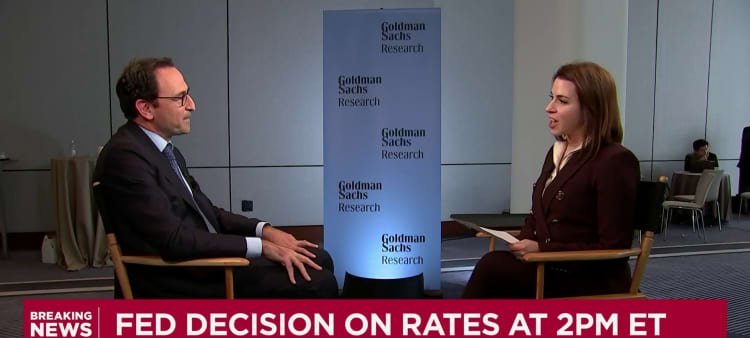
Imagem: Internet
The stress is not evenly distributed across geographies. Executives focused on Asia argue that the region’s private-credit market is earlier in its development, features lower leverage and maintains tighter covenants than the more mature U.S. and European arenas. Many Asian borrowers remain founder-led or family-owned and have traditionally relied on bank loans or equity finance, leaving ample room for conservative private-credit structures. Industry participants contend that these dynamics reduce the likelihood of widespread covenant erosion or excessive layering of debt in the region.
Investor Motivations
Institutional investors continue to allocate capital to private credit for several reasons:
- Yield premium. In a landscape where public-market yields have compressed over the past decade, private loans often provide higher coupons in exchange for reduced liquidity.
- Portfolio diversification. Because private credit is generally floating rate and senior in the capital structure, many allocators view it as a hedge against inflation and interest-rate volatility.
- Regulatory shifts. Banking-sector retreat, spurred by requirements such as those outlined in the Basel III framework (Bank for International Settlements), has created a structural supply gap that private managers are eager to meet.
Despite these attractions, managers acknowledge that underwriting standards have loosened in certain segments, with covenant-lite deals and higher leverage multiples becoming more common, especially in hotly contested U.S. transactions. The imbalance between investor capital and quality deal flow has in some cases tilted negotiations in favor of borrowers, raising long-term risk.
Outlook
Market participants broadly expect private credit to keep expanding, fueled by ongoing bank retrenchment and persistent institutional demand. Even so, the combination of elevated rates and slowing growth is expected to test the resilience of some highly leveraged borrowers. Analysts will be watching default data closely for signs that idiosyncratic setbacks are evolving into broader credit deterioration.
For now, large fundraising announcements underline confidence in the asset class. If stresses remain contained and return targets hold, private credit may further entrench its role as a mainstream financing source. Whether the recent uptick in borrower distress represents isolated cases or the early stages of a larger cycle will likely determine how sustainable current investor enthusiasm proves to be.
Crédito da imagem: Andrey Denisyuk | Moment | Getty Images


